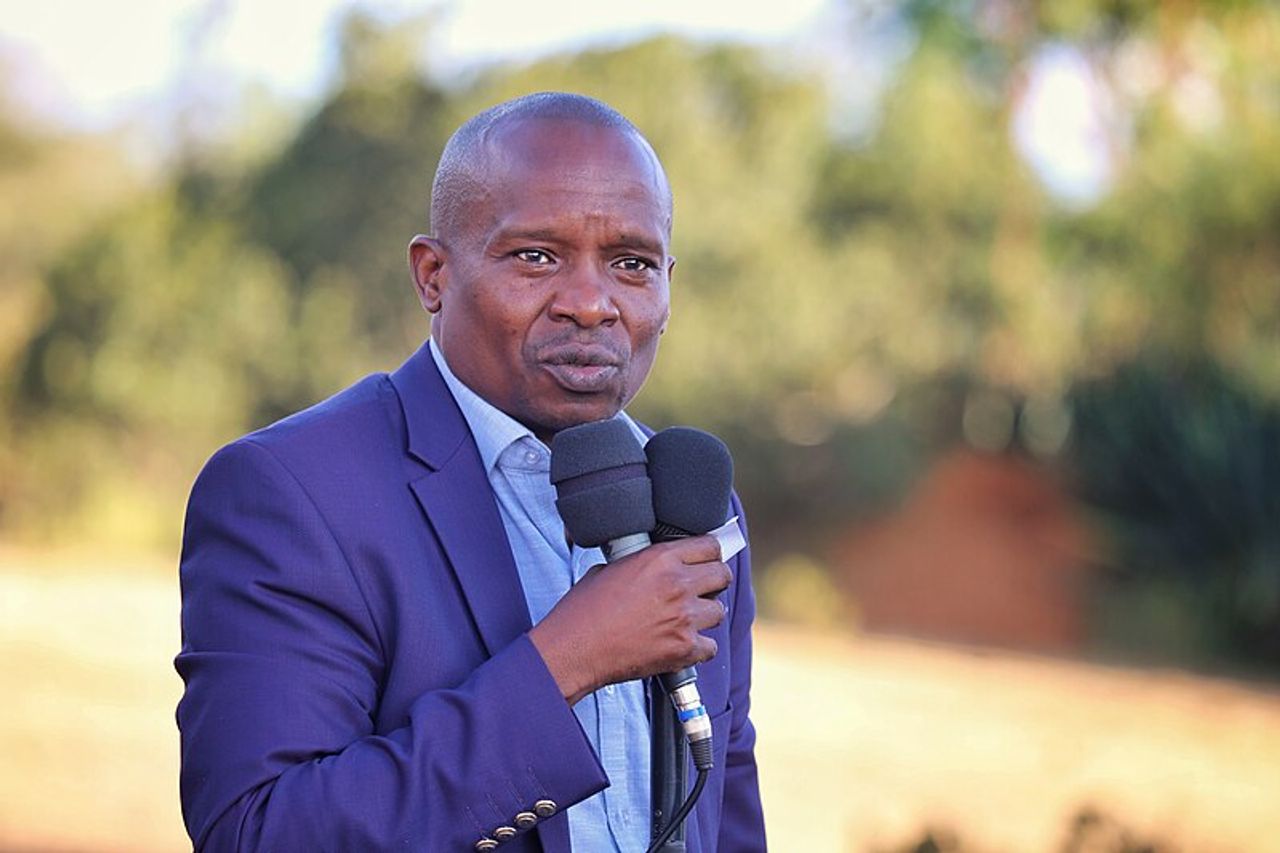

Deputy President Kithure Kindiki's latest statement that the government has kept its promise of timely disbursement of funds to counties sounds like good news for devolution. According to the Deputy President, the National Treasury has released all equitable-share allocations due to the 47 counties up to August, with no pending monthly allocations. The equitable share for counties has also risen to KSh428 billion for the 2026/27 financial year.
But there is a bigger question behind the announcement:
Is timely disbursement of county funds really a government promise or is it a constitutional obligation?
That distinction matters.
It is more than a promise
When the government describes timely disbursement as a promise it has fulfilled, it frames the issue as a political commitment — something citizens should credit the administration for delivering.
But county governments are not charitable recipients waiting for the goodwill of the national government.
They are a constitutionally established level of government.
Kenya's Constitution guarantees counties an equitable share of nationally raised revenue, and Article 219 provides for the transfer of that share to county governments. The National Treasury itself has recognize that equitable-share transfers are guaranteed under the Constitution.
That changes the conversation.
The government should not be applauded merely for transferring money that counties are constitutionally entitled to receive.
It should instead be judged on whether it fulfils that obligation consistently, predictably and transparently.
This year's performance is certainly worth acknowledging
To be fair, the current development is significant.
Kindiki says Treasury has released all allocations due through August, including July and August payments. He credited Treasury CS John Mbadi, Parliament and the Intergovernmental Budget and Economic Council (IBEC) for helping accelerate the process.
Parliament's agreement on the KSh428 billion equitable share also removed an important obstacle to county financing. The mediation process specifically sought to ensure that the disbursement schedule could proceed and county governments could access their funds.
For counties, this matters enormously.
A county cannot reliably pay health workers, maintain roads, support water services, manage waste, implement agricultural programmes or settle suppliers if the money allocated to it remains stuck at the national level.
So, yes, timely disbursement is good governance.
But it should be normal good governance not an extraordinary achievement.
Kenyans have reason to remain cautious
The government's current claim also has to be considered against the history of delays.
An independent parliamentary monitoring platform, Mzalendo, has documented previous delays in the transfer of equitable-share funds. Its tracker notes that as of April 2023, Treasury had yet to disburse Sh155.4 billion in equitable share, while county governments also experienced delays at the beginning of the 2025/26 financial year.
This history makes today's announcement important, but it also means Kenyans should ask a harder question:
Is this a permanent improvement or simply a good financial year?
A government should not have to repeatedly announce that it has transferred county funds on time.
The real achievement would be establishing a system in which delays become the exception rather than the norm.
Timely money does not automatically mean better services
There is another side to this debate.
Even if Treasury transfers every shilling on schedule, that does not automatically mean citizens will receive better services.
The money still has to be properly budgeted, procured, spent and accounted for at county level.
Parliament itself recognised this challenge when the KSh428 billion agreement was reached. Lawmakers called for stronger county accountability and urged counties to use part of the allocation to address pending bills.
Therefore, there are actually two accountability questions.
The first is:
Did the national government release the money on time?
The second is:
Did county governments use that money effectively?
Both questions matter.
The mwananchi does not care who deserves the credit
For an ordinary Kenyan, the debate over whether Treasury deserves praise or counties deserve blame can seem distant.
What matters is whether the ambulance arrives.
Whether the health centre has medicine.
Whether garbage is collected.
Whether roads are maintained.
Whether water systems work.
Whether county workers are paid.
Whether suppliers are paid.
Ultimately, citizens do not experience "equitable share" as a line in a government financial statement. They experience it through the services their county provides.
That is why timely disbursement is important.
The real test is consistency
Kindiki's announcement should therefore be welcomed but also tested.
If counties receive their allocations on time month after month, year after year, the government will have demonstrated a meaningful improvement in intergovernmental fiscal management.
If delays return, however, the phrase "we kept our promise" will become much harder to defend.
Government promises are political.
Constitutional obligations are legal.
And when it comes to county funds, Kenya needs to move away from a culture where fulfilling a constitutional obligation is presented primarily as a political favour.
The national government has a responsibility to ensure that devolution works.
Counties, in turn, have a responsibility to account for what they receive.
The ultimate measure should therefore not be who gets the credit for releasing the money.
It should be whether the money reaches counties predictably, is spent responsibly and eventually translates into a better life for the mwananchi.
Because timely disbursement is not simply a promise fulfilled.
It is the minimum foundation upon which successful devolution is supposed to stand.
But there is a bigger question behind the announcement:
Is timely disbursement of county funds really a government promise or is it a constitutional obligation?
That distinction matters.
It is more than a promise
When the government describes timely disbursement as a promise it has fulfilled, it frames the issue as a political commitment — something citizens should credit the administration for delivering.
But county governments are not charitable recipients waiting for the goodwill of the national government.
They are a constitutionally established level of government.
Kenya's Constitution guarantees counties an equitable share of nationally raised revenue, and Article 219 provides for the transfer of that share to county governments. The National Treasury itself has recognize that equitable-share transfers are guaranteed under the Constitution.
That changes the conversation.
The government should not be applauded merely for transferring money that counties are constitutionally entitled to receive.
It should instead be judged on whether it fulfils that obligation consistently, predictably and transparently.
This year's performance is certainly worth acknowledging
To be fair, the current development is significant.
Kindiki says Treasury has released all allocations due through August, including July and August payments. He credited Treasury CS John Mbadi, Parliament and the Intergovernmental Budget and Economic Council (IBEC) for helping accelerate the process.
Parliament's agreement on the KSh428 billion equitable share also removed an important obstacle to county financing. The mediation process specifically sought to ensure that the disbursement schedule could proceed and county governments could access their funds.
For counties, this matters enormously.
A county cannot reliably pay health workers, maintain roads, support water services, manage waste, implement agricultural programmes or settle suppliers if the money allocated to it remains stuck at the national level.
So, yes, timely disbursement is good governance.
But it should be normal good governance not an extraordinary achievement.
Kenyans have reason to remain cautious
The government's current claim also has to be considered against the history of delays.
An independent parliamentary monitoring platform, Mzalendo, has documented previous delays in the transfer of equitable-share funds. Its tracker notes that as of April 2023, Treasury had yet to disburse Sh155.4 billion in equitable share, while county governments also experienced delays at the beginning of the 2025/26 financial year.
This history makes today's announcement important, but it also means Kenyans should ask a harder question:
Is this a permanent improvement or simply a good financial year?
A government should not have to repeatedly announce that it has transferred county funds on time.
The real achievement would be establishing a system in which delays become the exception rather than the norm.
Timely money does not automatically mean better services
There is another side to this debate.
Even if Treasury transfers every shilling on schedule, that does not automatically mean citizens will receive better services.
The money still has to be properly budgeted, procured, spent and accounted for at county level.
Parliament itself recognised this challenge when the KSh428 billion agreement was reached. Lawmakers called for stronger county accountability and urged counties to use part of the allocation to address pending bills.
Therefore, there are actually two accountability questions.
The first is:
Did the national government release the money on time?
The second is:
Did county governments use that money effectively?
Both questions matter.
The mwananchi does not care who deserves the credit
For an ordinary Kenyan, the debate over whether Treasury deserves praise or counties deserve blame can seem distant.
What matters is whether the ambulance arrives.
Whether the health centre has medicine.
Whether garbage is collected.
Whether roads are maintained.
Whether water systems work.
Whether county workers are paid.
Whether suppliers are paid.
Ultimately, citizens do not experience "equitable share" as a line in a government financial statement. They experience it through the services their county provides.
That is why timely disbursement is important.
The real test is consistency
Kindiki's announcement should therefore be welcomed but also tested.
If counties receive their allocations on time month after month, year after year, the government will have demonstrated a meaningful improvement in intergovernmental fiscal management.
If delays return, however, the phrase "we kept our promise" will become much harder to defend.
Government promises are political.
Constitutional obligations are legal.
And when it comes to county funds, Kenya needs to move away from a culture where fulfilling a constitutional obligation is presented primarily as a political favour.
The national government has a responsibility to ensure that devolution works.
Counties, in turn, have a responsibility to account for what they receive.
The ultimate measure should therefore not be who gets the credit for releasing the money.
It should be whether the money reaches counties predictably, is spent responsibly and eventually translates into a better life for the mwananchi.
Because timely disbursement is not simply a promise fulfilled.
It is the minimum foundation upon which successful devolution is supposed to stand.