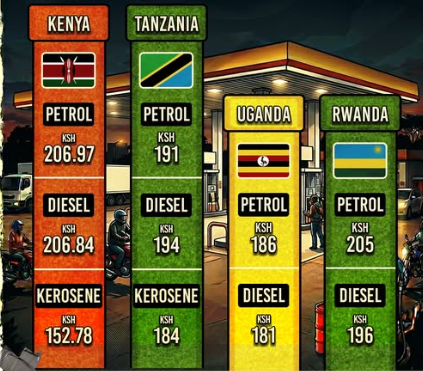
Kenya's latest fuel-price increase has raised concerns about the rising cost of living. Effective October 15, 2026, Nairobi's super petrol price rose to KSh 226.96 per litre, diesel to KSh 227.76, and kerosene to KSh 219.87, according to EPRA. The increase, linked partly to rising international petroleum import costs amid Middle East tensions, could push up transport fares, food prices and business operating expenses, placing additional pressure on households already struggling financially. While temporary government interventions may offer relief, Kenya needs long-term solutions, including investment in renewable energy, electric public transport, energy efficiency and greater transparency in fuel pricing. The big question remains: How can Kenya protect its citizens from rising global fuel costs while building a more affordable and energy-secure future?
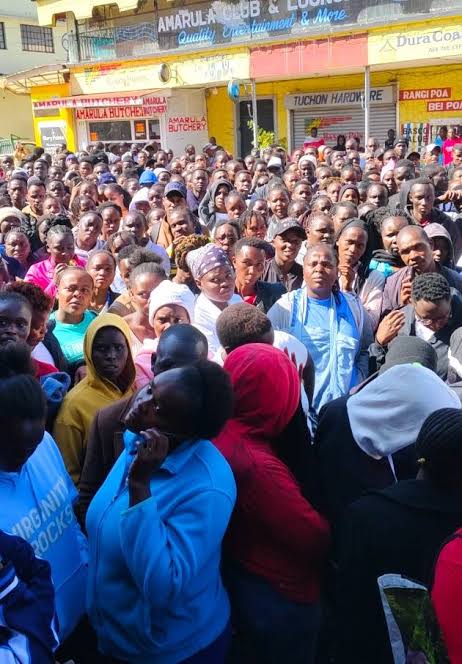
More than 2,000 youths reportedly turned up in Kericho to compete for just 10 jobs advertised by Wajosee, highlighting the intense pressure facing Kenyan job seekers. With approximately 200 applicants for every vacancy, the incident raises urgent questions about unemployment, skills development, entrepreneurship and the responsibility of government and the private sector to create sustainable employment opportunities.
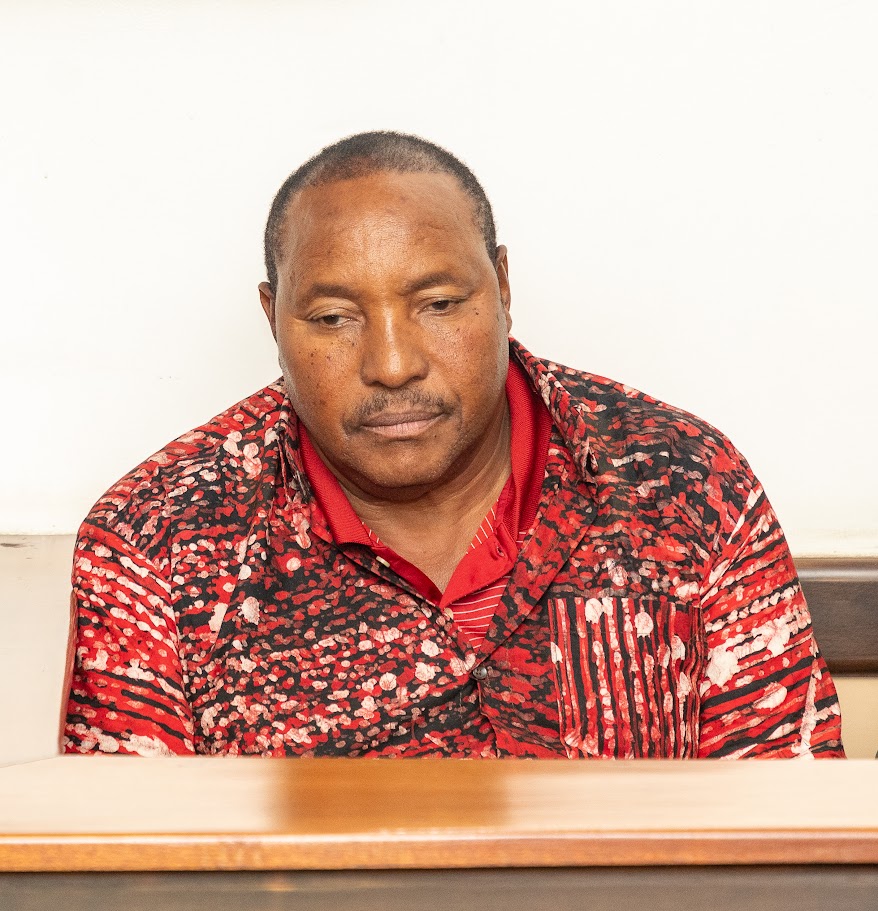
The High Court has upheld former Kiambu Governor Ferdinand Waititu’s 12-year prison sentence in a corruption case involving a KSh588 million road construction contract. Justice Rose Ougo also overturned earlier acquittals on money laundering charges, with Waititu, his wife and co-accused facing further sentencing proceedings. The ruling renews debate about accountability, public procurement and Kenya’s ongoing fight against corruption.
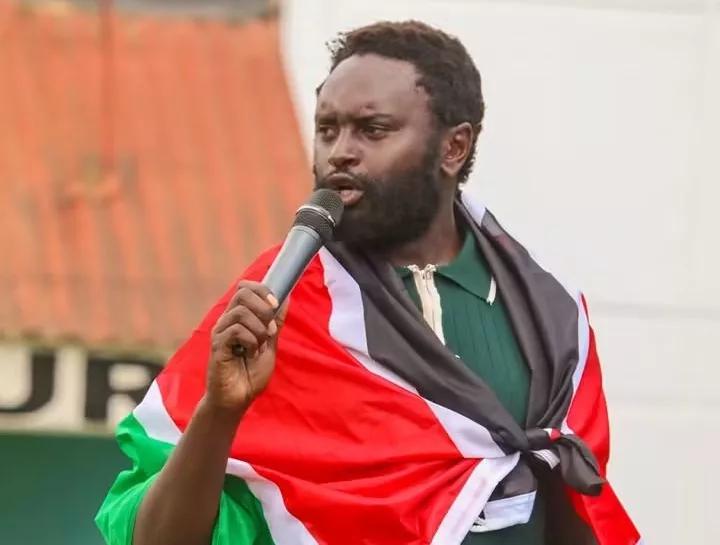
Nyandarua Senator John Methu has made explosive claims during his JKL interview, alleging that he was offered KSh 10 million weekly to establish a new political party and potentially become President William Ruto’s running mate in 2027. He claims he rejected the proposal and informed Rigathi Gachagua. Methu also questioned Ndindi Nyoro’s political direction, but Nyoro has disputed Methu’s account of their alleged meeting and urged opposition leaders to stop making accusations. The controversy raises fresh questions about political loyalty, the unity of the opposition and the battle for the Mt. Kenya vote ahead of the 2027 General Election.
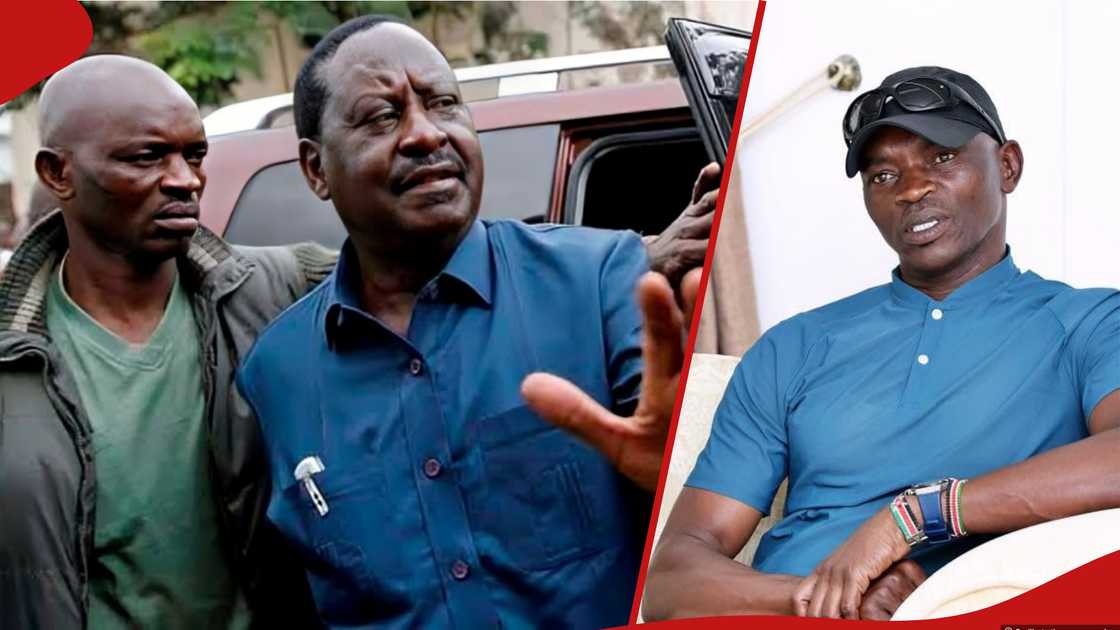
Maurice Ogeta, Raila Odinga’s longtime bodyguard and confidant, has reignited debate by recounting alleged threats against the late former Prime Minister. Are these revelations evidence of foul play in Baba’s death, and why are they emerging now? We examine the claims, the unanswered questions and the need for credible evidence before drawing conclusions.
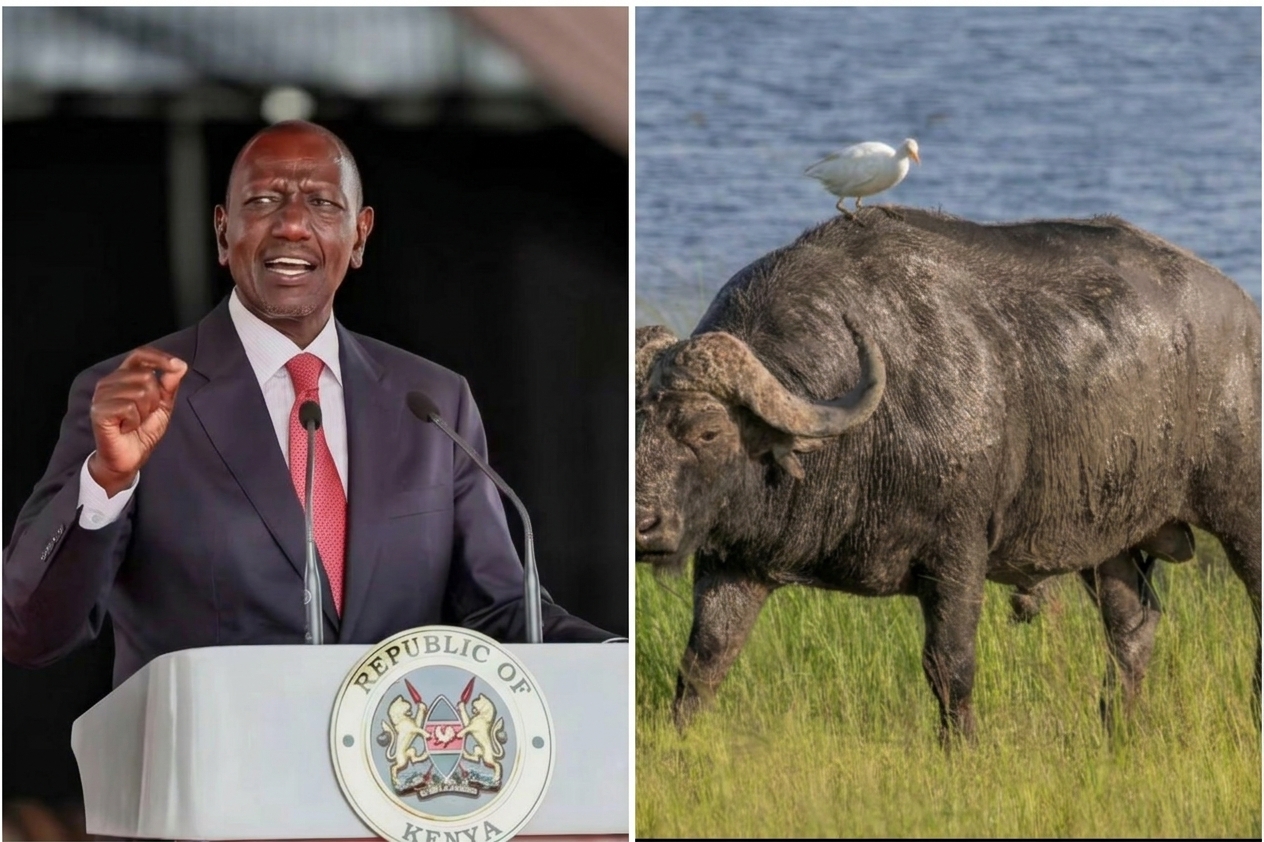
President William Ruto’s remarks about buffalo and camel milk have sparked laughter, memes and serious questions across Kenya. But was he joking or is the government considering a new direction for the dairy industry? As Kenyans debate the proposal, attention turns to milk affordability, farmers’ welfare and whether diversifying milk production can deliver real economic and environmental benefits.
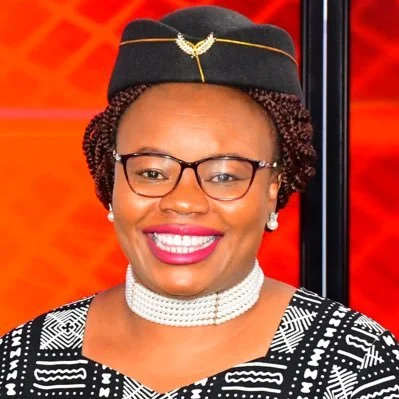
Githunguri MP Gathoni Wamuchomba has quit UDA, adding to growing political realignments in Mt. Kenya ahead of the 2027 elections. Citing concerns over selective justice and community representation, her departure raises fresh questions about UDA’s influence in the region and the future political alliances that could reshape Kenya’s electoral landscape.
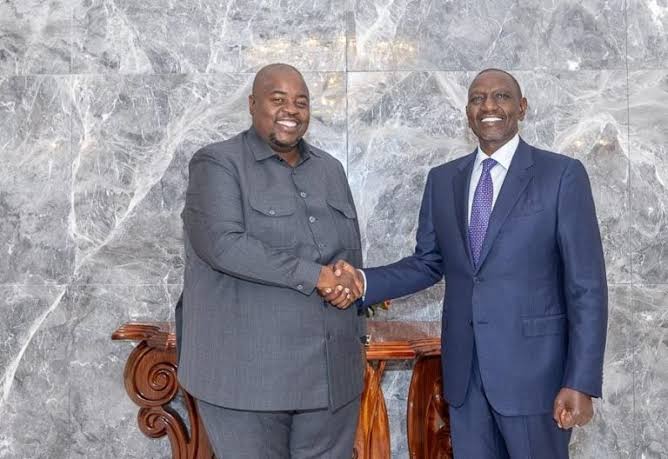
A tense moment was reported in Bondo, Siaya County, after President William Ruto’s helicopter reportedly took some time to successfully take off following his visit to Kang’o ka Jaramogi on October 7, 2026. The incident occurred after Ruto presided over the commissioning of the late Raila Odinga’s mausoleum. While the unusual takeoff attracted attention, the exact cause remains unclear, and no confirmed information has established that the helicopter suffered a technical failure or that the President was in danger.
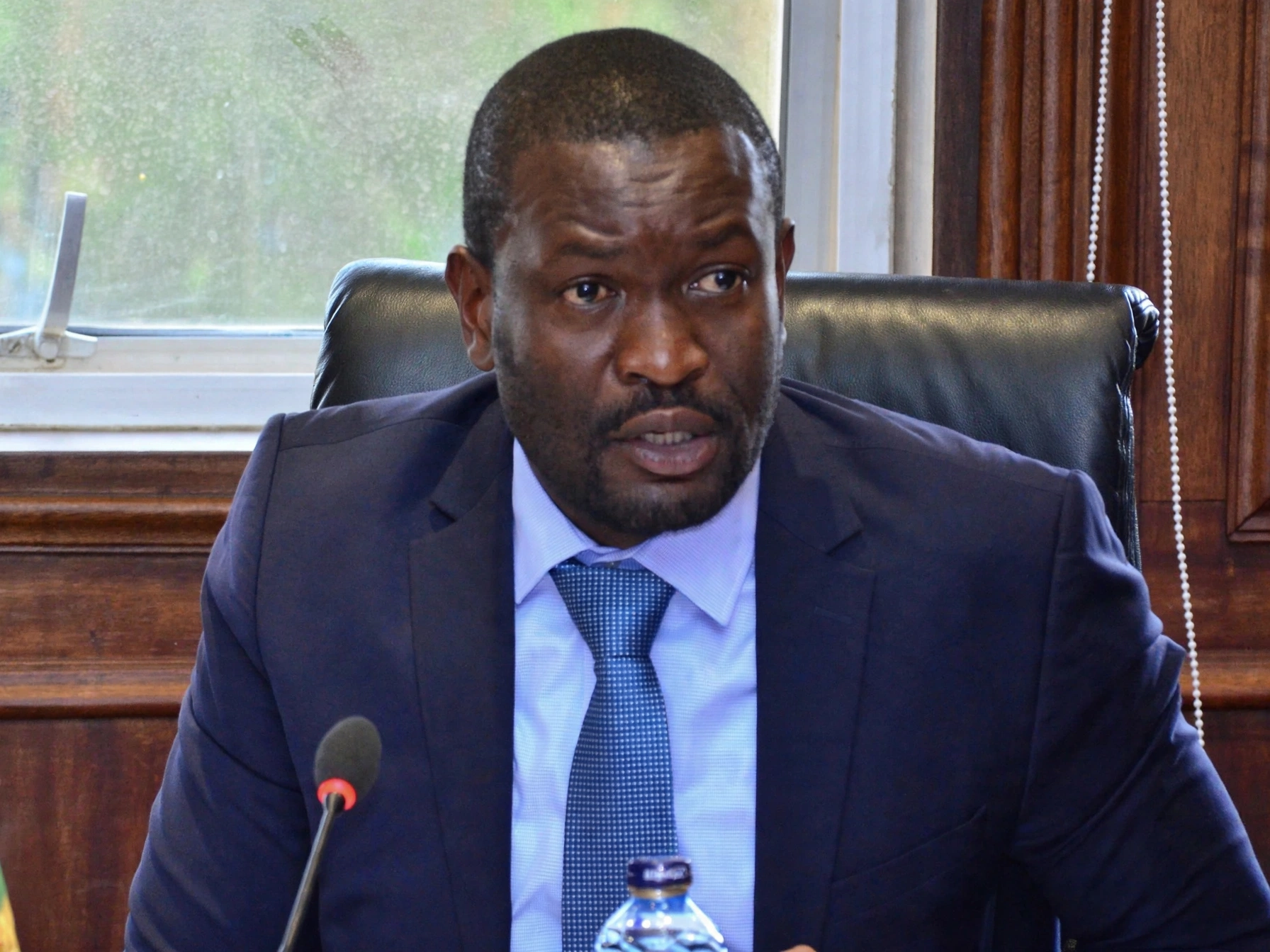
On Sunday, October 4, Sifuna was unveiled as the party leader and presidential candidate of The Equitable Party (TEP). The legistlator is using the party as the formal vehicle for the Linda Mwananchi project. TEP is not new. Registrar records show it was fully registered on March 25, 2022, so Sifuna has taken over an existing outfit rather than building one from scratch.
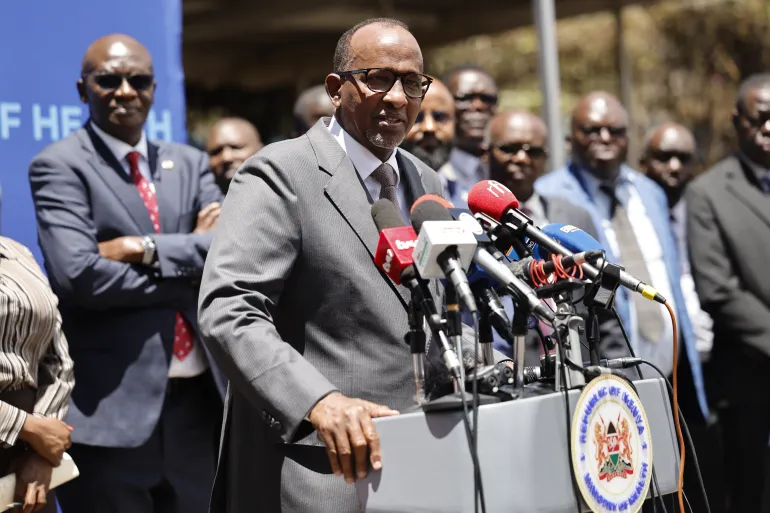
Kenya is facing a politically and economically sensitive period as the 2027 General Election approaches. Reports of difficulties securing a new IMF programme, alongside the country’s first imported Ebola case, have triggered debate and speculation online. While there is no evidence linking the two events, they highlight a bigger concern: how will Kenya finance its political and development ambitions while managing debt, public health emergencies and pressure on government finances? As 2027 approaches, fiscal discipline, institutional strength and responsible leadership will matter more than ever.
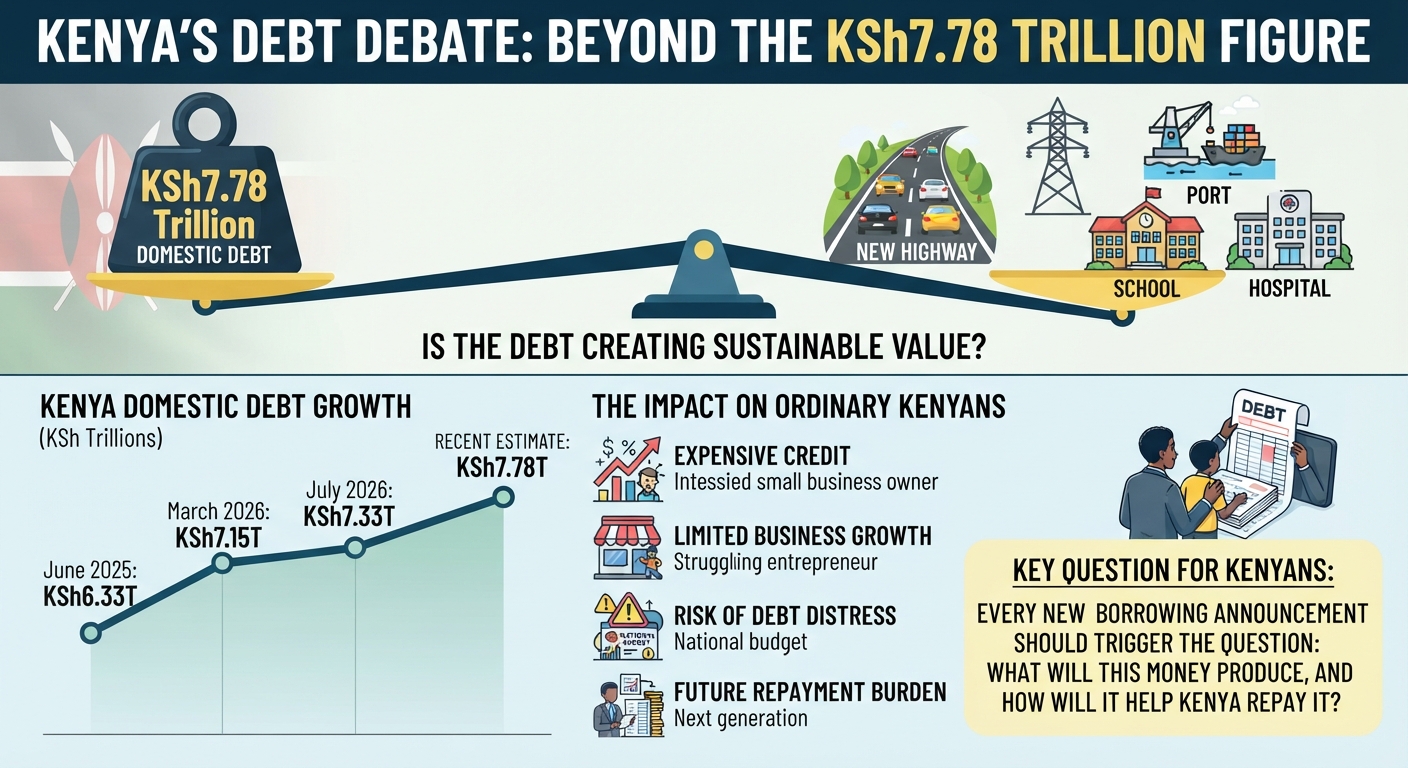
Kenya’s rising domestic debt is becoming a major economic concern, with the figure reportedly approaching KSh7.78 trillion. The issue is not simply how much Kenya is borrowing, but what the borrowed money is being used for. Borrowing can support development when invested in infrastructure, businesses, jobs and productive sectors, but excessive borrowing to finance recurrent expenses can increase pressure on taxpayers and future generations. The bigger question for Kenyans is simple: If the debt keeps rising, what are we getting in return?
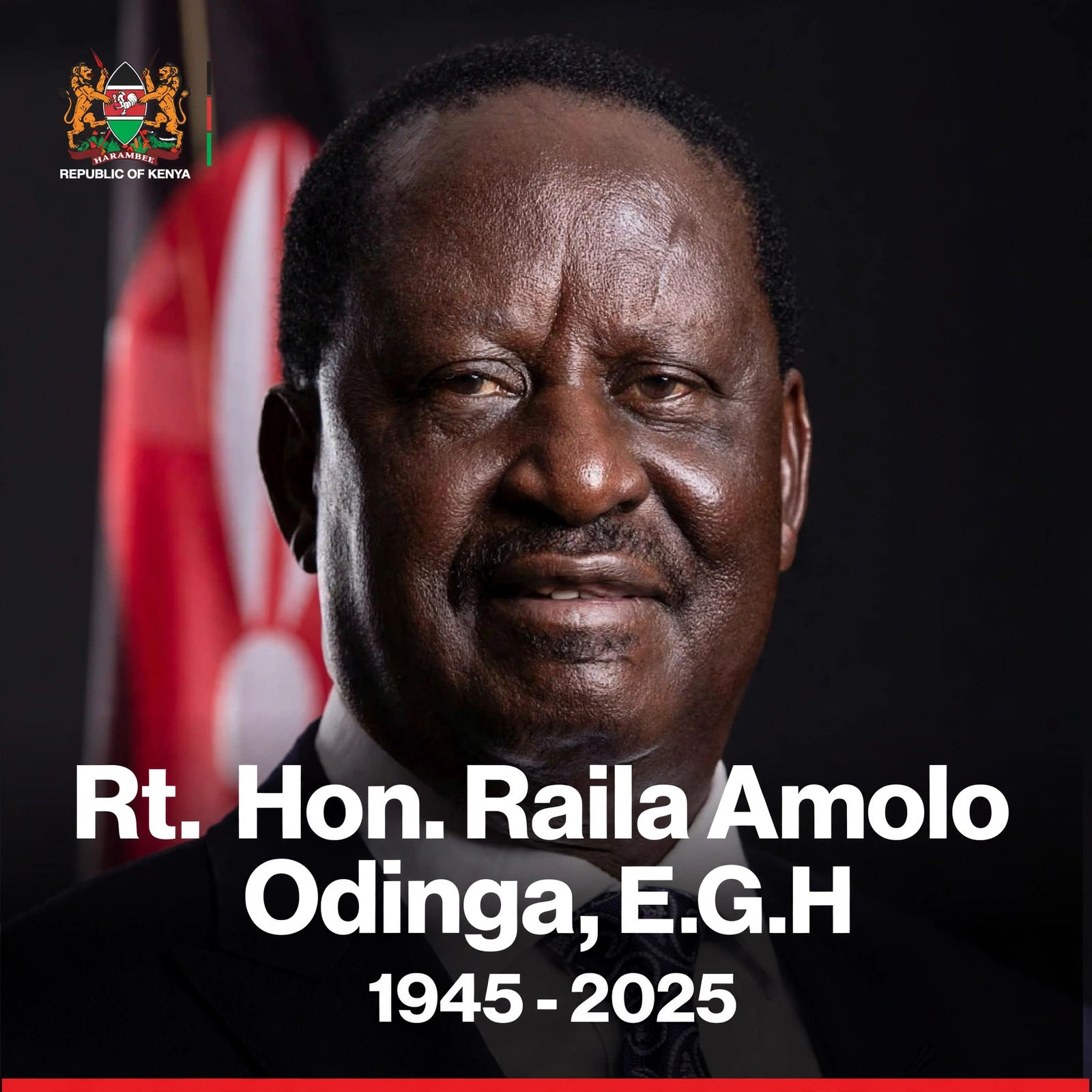
A year after his death, candles, crowds and a divided party show how deeply Kenyans still feel the absence of Raila Odinga.