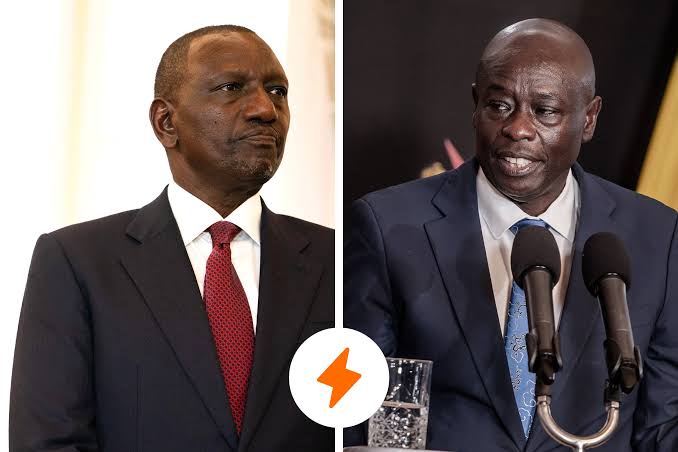

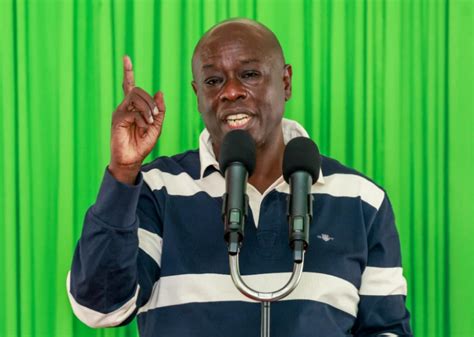
Kenya's 2027 presidential race is slowly taking shape, and the growing confrontation between President William Ruto and his former Deputy President, Rigathi Gachagua, is becoming one of the defining political battles to watch.
What began as a political fallout within the highest levels of government has evolved into an increasingly public contest of influence, political survival and competing ambitions. With President Ruto warning Gachagua against allegedly inciting Kenyans to violence or using his name for political mobilisation, and Gachagua promising a full response, the question is no longer whether the two leaders are politically opposed. It is how far this rivalry will go.
A political divorce that refuses to remain private
The relationship between Ruto and Gachagua was once presented as a powerful political partnership, particularly during the 2022 presidential campaign. Their alliance helped consolidate support in the Mt Kenya region and contributed to their victory.
However, their political separation has exposed the fragility of alliances built around electoral interests rather than shared long-term political principles.
Today, the two leaders appear to be positioning themselves for a much bigger contest in 2027. Ruto is defending his administration and seeking another mandate, while Gachagua is working to establish himself as a significant opposition voice.
The increasingly confrontational language suggests that neither side is willing to surrender political ground easily.
But is this really about the people?
This is where Kenyans should pause and reflect.
At a time when households are struggling with the cost of living, young people are searching for employment, businesses are battling economic pressures and public confidence in political leadership remains a major concern, the country needs conversations that go beyond political personalities.
Kenyans deserve to know what these leaders intend to do differently.
What are their economic recovery plans? How will they address unemployment? What practical solutions do they have for the country's mounting public debt? What will they do about corruption, healthcare, education and the challenges facing ordinary households?
A political disagreement between two prominent leaders should not become a distraction from the issues that determine the quality of life of millions of Kenyans.
2027 should be about more than political revenge
There is nothing wrong with political competition. In fact, democracy depends on competing ideas, accountability and the freedom to challenge those in power.
President Ruto has every right to defend his administration and political record. Gachagua equally has the right to criticise the government and mobilise political support within the law.
However, neither political influence nor personal grievances should come at the expense of national stability.
Kenya has experienced the consequences of political mobilisation that turns communities against one another. The country cannot afford another election cycle in which ethnic loyalties, personal attacks and political hostility overshadow policy discussions.
The real test of leadership is not how effectively politicians attack their opponents, but how convincingly they present solutions to the problems facing citizens.
The bigger question: What do Kenyans want in 2027?
As the political temperatures rise, voters must also recognise their responsibility. The next election should not simply be a referendum on whether Kenyans support Ruto or Gachagua.
It should be an opportunity to interrogate every presidential aspirant, examine their track records, challenge their promises and demand measurable commitments.
Political alliances will change. Friends will become opponents, and opponents may eventually become allies. But the economic and social consequences of poor leadership will remain with ordinary citizens long after the campaigns are over.
Ultimately, Kenya does not need another political showdown disguised as a battle for the country's future. It needs a genuine contest of ideas, competence, integrity and accountability.
Because in 2027, the biggest question should not be who defeats whom. It should be who has a credible plan to make Kenya better.