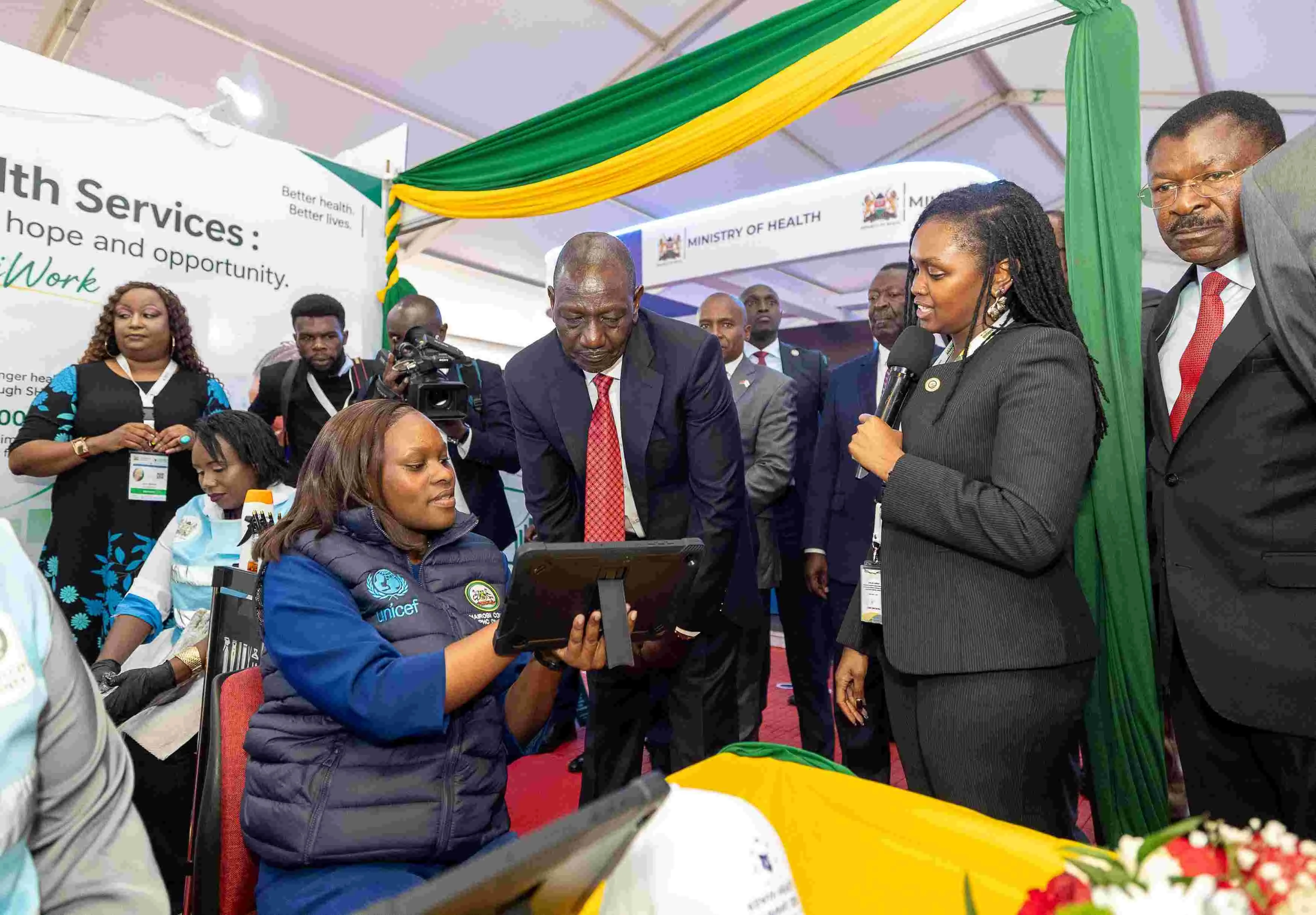

On 18 August 2026, President William Ruto stood before the Kenya Health Summit and presented a confident picture of Kenya's health reforms.
His message was clear: the Social Health Authority (SHA) is delivering.
The President said SHA has enrolled 32.3 million Kenyans, more than 11,000 healthcare facilities are contracted, and about KSh178 billion has been paid through 8.36 million claims. He also pointed to more than 500,000 surgeries and over 50,000 cancer patients treated under the new system.
Those are significant numbers.
But there is another side to the SHA story, the experience of the Kenyan walking into a hospital seeking treatment.
And that raises a simple but important question:
IS SHA REALLY WORKING?
The answer appears to be yes, but not consistently enough for every Kenyan.
There is genuine evidence that SHA is functioning at scale. Registration has reached 32.3 million, almost twice the highest registration recorded under the former NHIF.
The government has also demonstrated that the system is processing huge volumes of claims.
But registration is not the same as access to healthcare.
A Kenyan can be registered with SHA and still arrive at a hospital and encounter a system failure, delayed authorization, unavailable medicine or a request for cash.
That is where the government's impressive statistics meet the reality on the ground.
WHEN THE SYSTEM FAILS, THE PATIENT PAYS
In July, teachers in Nyamira complained that SHA system failures were leaving members stranded and forcing some patients to pay cash for services.
Hospitals have also experienced technical problems, including delays in the OTPs used to verify patients and authorize treatment. At times, facilities have had to revert to manual processes.
These are not merely technological inconveniences.
For someone waiting for a procedure, diagnostic test or treatment, a system failure can mean a delay in receiving care.
And that is why the government itself has repeatedly had to remind hospitals that patients should not be denied treatment because of SHA system downtime.
In August, SHA went further, warning hospitals that they could lose their accreditation if they denied or delayed emergency treatment because patients could not pay or their SHA status had not yet been confirmed.
The fact that such warnings are necessary tells us something: the transition is still far from perfect.
THE PATIENT DOES NOT CARE ABOUT THE NUMBERS
The President can point to 32.3 million registrations.
SHA can point to millions of claims.
The government can point to 500,000 surgeries.
But the ordinary Kenyan asks a much simpler question:
"When I get sick, will I receive treatment?"
That is the real test of SHA.
Healthcare insurance should not merely exist in government databases. It should provide meaningful protection when someone is sick, injured, pregnant, undergoing surgery or fighting a chronic disease.
AND THEN THERE ARE THE HOSPITALS
The SHA debate cannot be viewed entirely from the patient's side.
Healthcare facilities also need to be paid.
Some providers have complained about delayed payments and accumulated debts, while dialysis providers have raised concerns about outstanding obligations dating back to the NHIF era.
At the same time, the government says SHA is paying claims and has defended its performance, with Health CS Aden Duale saying the national claim settlement rate stood at 84 per cent in June.
Both realities can exist simultaneously.
SHA can be paying billions while some hospitals still experience cash-flow problems.
The challenge is ensuring that those institutional problems do not become the patient's problem.
SHA HAS ALSO EXPOSED ANOTHER PROBLEM: TRUST
The transition from NHIF to SHA was supposed to create a more transparent and accountable health financing system.
But concerns have emerged over system reliability, data integrity and claims management.
For example, a Nairobi man's SHA records reportedly showed that he had received treatment in Garissa while he was actually at work in Nairobi. The incident raised questions about the security and accuracy of patient records.
Meanwhile, a legal dispute has emerged over payments to a private technology company involved in the digital claims system, with court documents alleging that KSh1.2 billion had been deducted through a levy from SHA claims. Those allegations are contested and remain subject to legal proceedings.
For a health system handling millions of people's medical information and billions of shillings, transparency is not optional.
SO, IS SHA A FAILURE?
No.
It would be unfair to dismiss a system that has enrolled millions of people, processed millions of claims and facilitated substantial healthcare services.
But it would be equally unfair to declare SHA an overwhelming success simply because the numbers look impressive.
The real measure should be the patient experience.
If a poor Kenyan can walk into a hospital, receive treatment and leave without selling land, borrowing money or organising a fundraiser, then SHA is fulfilling its purpose.
If that same Kenyan is told, "The system is down, pay cash," then there is still a serious problem.
THE PRESIDENT HAS SHOWN THE NUMBERS. NOW KENYANS MUST SHOW THE EXPERIENCE.
President Ruto's address presented the progress of SHA.
The complaints from patients and healthcare providers show where the gaps remain.
Neither side should be ignored.
SHA is working but it is still a work in progress.
The government now has an opportunity to move beyond celebrating registration figures and claim payments and focus on what matters most: making healthcare predictable, accessible and genuinely affordable when a Kenyan needs it.
Because ultimately, SHA will not be judged by how many people are registered.
It will be judged by what happens when an ordinary Kenyan walks into a hospital sick.
That is where the real report card begins.
His message was clear: the Social Health Authority (SHA) is delivering.
The President said SHA has enrolled 32.3 million Kenyans, more than 11,000 healthcare facilities are contracted, and about KSh178 billion has been paid through 8.36 million claims. He also pointed to more than 500,000 surgeries and over 50,000 cancer patients treated under the new system.
Those are significant numbers.
But there is another side to the SHA story, the experience of the Kenyan walking into a hospital seeking treatment.
And that raises a simple but important question:
IS SHA REALLY WORKING?
The answer appears to be yes, but not consistently enough for every Kenyan.
There is genuine evidence that SHA is functioning at scale. Registration has reached 32.3 million, almost twice the highest registration recorded under the former NHIF.
The government has also demonstrated that the system is processing huge volumes of claims.
But registration is not the same as access to healthcare.
A Kenyan can be registered with SHA and still arrive at a hospital and encounter a system failure, delayed authorization, unavailable medicine or a request for cash.
That is where the government's impressive statistics meet the reality on the ground.
WHEN THE SYSTEM FAILS, THE PATIENT PAYS
In July, teachers in Nyamira complained that SHA system failures were leaving members stranded and forcing some patients to pay cash for services.
Hospitals have also experienced technical problems, including delays in the OTPs used to verify patients and authorize treatment. At times, facilities have had to revert to manual processes.
These are not merely technological inconveniences.
For someone waiting for a procedure, diagnostic test or treatment, a system failure can mean a delay in receiving care.
And that is why the government itself has repeatedly had to remind hospitals that patients should not be denied treatment because of SHA system downtime.
In August, SHA went further, warning hospitals that they could lose their accreditation if they denied or delayed emergency treatment because patients could not pay or their SHA status had not yet been confirmed.
The fact that such warnings are necessary tells us something: the transition is still far from perfect.
THE PATIENT DOES NOT CARE ABOUT THE NUMBERS
The President can point to 32.3 million registrations.
SHA can point to millions of claims.
The government can point to 500,000 surgeries.
But the ordinary Kenyan asks a much simpler question:
"When I get sick, will I receive treatment?"
That is the real test of SHA.
Healthcare insurance should not merely exist in government databases. It should provide meaningful protection when someone is sick, injured, pregnant, undergoing surgery or fighting a chronic disease.
AND THEN THERE ARE THE HOSPITALS
The SHA debate cannot be viewed entirely from the patient's side.
Healthcare facilities also need to be paid.
Some providers have complained about delayed payments and accumulated debts, while dialysis providers have raised concerns about outstanding obligations dating back to the NHIF era.
At the same time, the government says SHA is paying claims and has defended its performance, with Health CS Aden Duale saying the national claim settlement rate stood at 84 per cent in June.
Both realities can exist simultaneously.
SHA can be paying billions while some hospitals still experience cash-flow problems.
The challenge is ensuring that those institutional problems do not become the patient's problem.
SHA HAS ALSO EXPOSED ANOTHER PROBLEM: TRUST
The transition from NHIF to SHA was supposed to create a more transparent and accountable health financing system.
But concerns have emerged over system reliability, data integrity and claims management.
For example, a Nairobi man's SHA records reportedly showed that he had received treatment in Garissa while he was actually at work in Nairobi. The incident raised questions about the security and accuracy of patient records.
Meanwhile, a legal dispute has emerged over payments to a private technology company involved in the digital claims system, with court documents alleging that KSh1.2 billion had been deducted through a levy from SHA claims. Those allegations are contested and remain subject to legal proceedings.
For a health system handling millions of people's medical information and billions of shillings, transparency is not optional.
SO, IS SHA A FAILURE?
No.
It would be unfair to dismiss a system that has enrolled millions of people, processed millions of claims and facilitated substantial healthcare services.
But it would be equally unfair to declare SHA an overwhelming success simply because the numbers look impressive.
The real measure should be the patient experience.
If a poor Kenyan can walk into a hospital, receive treatment and leave without selling land, borrowing money or organising a fundraiser, then SHA is fulfilling its purpose.
If that same Kenyan is told, "The system is down, pay cash," then there is still a serious problem.
THE PRESIDENT HAS SHOWN THE NUMBERS. NOW KENYANS MUST SHOW THE EXPERIENCE.
President Ruto's address presented the progress of SHA.
The complaints from patients and healthcare providers show where the gaps remain.
Neither side should be ignored.
SHA is working but it is still a work in progress.
The government now has an opportunity to move beyond celebrating registration figures and claim payments and focus on what matters most: making healthcare predictable, accessible and genuinely affordable when a Kenyan needs it.
Because ultimately, SHA will not be judged by how many people are registered.
It will be judged by what happens when an ordinary Kenyan walks into a hospital sick.
That is where the real report card begins.