

Kenya's political landscape is once again raising a question that many citizens cannot ignore: Will the opposition unite strongly enough to challenge President William Ruto in 2027, or are we slowly getting used to the idea of a two-term presidency?
The disagreement involving Linda Mwananchi has brought this question into focus. It is not simply about differences between political leaders. It is about the future of an opposition movement, the ambitions of those seeking to lead it, and the expectations of millions of Kenyans who want to see a government that responds to their concerns.
But before we begin predicting the outcome, we need to ask ourselves a more important question: What does political unity really mean, and what are Kenyans looking for in their next government?
The cracks within Linda Mwananchi
According to The Star on September 16, 2026, the disagreement has gone beyond the question of who should lead the movement. It reportedly includes differences between Nairobi Senator Edwin Sifuna and Embakasi East MP Babu Owino over the political party that should serve as Linda Mwananchi's vehicle in the 2027 election.
Babu Owino is reported to have taken over the Muungano Party and rebranded it as the Mwananchi Party, while Sifuna has settled on the Ukombozi People's Party. The disagreement over which party should carry the movement is a serious issue because a political vehicle is not just a name. It determines how candidates organize, how supporters mobilize and how the movement presents itself to voters.
Then there is the question of the presidential candidate.
James Orengo has declared his intention to run for president, while Sifuna's supporters have continued to rally behind him. Orengo has defended his position as an expression of internal democracy, but the declaration has unsettled some members of the movement.
This is where the real challenge begins.
A movement can accommodate different opinions. But when personal ambitions, party leadership and presidential nominations become difficult to reconcile, the unity that supporters see on the streets can become much harder to maintain.
Is the opposition learning from Kenya's political history?
Kenya has experienced moments when opposition leaders came together around a common political objective.
The 2002 General Election is often cited as an example of opposition parties uniting to challenge Kanu's long rule. Recent reporting has drawn comparisons between that period and the current consultations among opposition leaders.
and will it hold?
But history should not be used as a guarantee.
Every election has its own circumstances. The personalities are different, the public concerns are different, and the political alliances are different.
The lesson is not that every opposition coalition must succeed. The lesson is that political unity requires more than a shared opponent.
It requires a common understanding of what comes next.
What about President William Ruto?
President William Ruto is seeking a second term in the 2027 General Election. Meanwhile, opposition leaders have been holding consultations to explore how they can challenge him with a united political force.
The opposition's disagreements therefore come at a politically important time.
But should Kenyans conclude that Ruto will serve two terms simply because Linda Mwananchi is experiencing internal problems?
That would be premature.
A political disagreement does not automatically translate into an election result. Likewise, a rally or a growing movement does not automatically establish that a candidate will win.
The outcome will depend on the candidates, alliances, campaigns, voter choices and electoral process.
What we can say is that the opposition's ability to resolve its differences will be one of the issues to watch as the 2027 election approaches.
The question of leadership
One of the biggest questions facing Linda Mwananchi is whether its leaders can agree on a presidential candidate.
Sifuna has publicly expressed his intention to challenge Ruto. Orengo has also declared his presidential ambitions. Babu Owino has been involved in the movement's mobilization and has expressed support for Sifuna, while other opposition leaders are engaged in consultations.
The issue is not whether these leaders have a right to seek the presidency. They do.
The issue is how their ambitions can coexist within one political movement.
Can they hold a credible nomination process?
Can they agree on a candidate without creating rival camps?
Can supporters accept the outcome?
And if they fail to agree, will they still work together?
These are questions that the movement must answer.
What should Kenyans expect from the opposition?
For many Kenyans, the 2027 election is not just about political personalities.
It is about the economy, jobs, healthcare, education, corruption, security and the quality of public services.
Young people want opportunities. Families want relief from financial pressure. Communities want development that reaches them. Citizens want leaders who can explain what they intend to do and how they will do it.
The opposition therefore needs to offer more than criticism of the current administration.
It needs to present a clear programme that Kenyans can examine.
If Linda Mwananchi becomes part of a broader opposition coalition, voters should be able to understand what that coalition stands for, who will lead it and what its priorities are.
Should we start getting used to a two-term presidency?
This is where I believe Kenyans need to be careful.
We should not confuse political confidence with certainty.
President Ruto has supporters. The opposition has supporters. Both sides are working to build political support ahead of 2027.
But the presidency is decided by voters.
The fact that the opposition is disagreeing today does not mean that it cannot resolve its differences tomorrow.
And the fact that a movement is attracting attention does not mean that its eventual candidate will automatically win.
Kenya's democracy should allow citizens to assess all political formations based on their records, policies, leadership and plans for the country.
The question should not simply be whether Ruto will serve two terms.
The question should also be: What are the alternatives, and what are they offering Kenyans?
Conclusion: The opposition must decide what it wants
The disagreement within Linda Mwananchi is a reminder that political movements are tested not only by the strength of their opponents, but also by how they manage their own differences.
If the movement wants to challenge President Ruto, it must find a way to reconcile its ambitions, agree on its political vehicle and present a clear direction to the country.
That does not mean every leader must abandon his or her ambitions. It means the movement needs a credible process through which those ambitions can be managed.
For Kenyans, the responsibility is equally important.
We should not assume that one side will win because the other side is divided. We should not accept any political outcome as inevitable before the election. And we should not allow political personalities to distract us from the issues that affect our daily lives.
The 2027 election belongs to the voters.
Whether Linda Mwananchi becomes a united political force or remains divided is still a question to be answered.
Whether President William Ruto serves two terms is also a question to be answered.
What should not be in doubt is the right of Kenyans to make that decision for themselves.
What do you think, fellow Kenyans? Is Linda Mwananchi's biggest challenge President Ruto, or is it the disagreement among its own leaders?
The disagreement involving Linda Mwananchi has brought this question into focus. It is not simply about differences between political leaders. It is about the future of an opposition movement, the ambitions of those seeking to lead it, and the expectations of millions of Kenyans who want to see a government that responds to their concerns.
But before we begin predicting the outcome, we need to ask ourselves a more important question: What does political unity really mean, and what are Kenyans looking for in their next government?
The cracks within Linda Mwananchi
According to The Star on September 16, 2026, the disagreement has gone beyond the question of who should lead the movement. It reportedly includes differences between Nairobi Senator Edwin Sifuna and Embakasi East MP Babu Owino over the political party that should serve as Linda Mwananchi's vehicle in the 2027 election.
Babu Owino is reported to have taken over the Muungano Party and rebranded it as the Mwananchi Party, while Sifuna has settled on the Ukombozi People's Party. The disagreement over which party should carry the movement is a serious issue because a political vehicle is not just a name. It determines how candidates organize, how supporters mobilize and how the movement presents itself to voters.
Then there is the question of the presidential candidate.
James Orengo has declared his intention to run for president, while Sifuna's supporters have continued to rally behind him. Orengo has defended his position as an expression of internal democracy, but the declaration has unsettled some members of the movement.
This is where the real challenge begins.
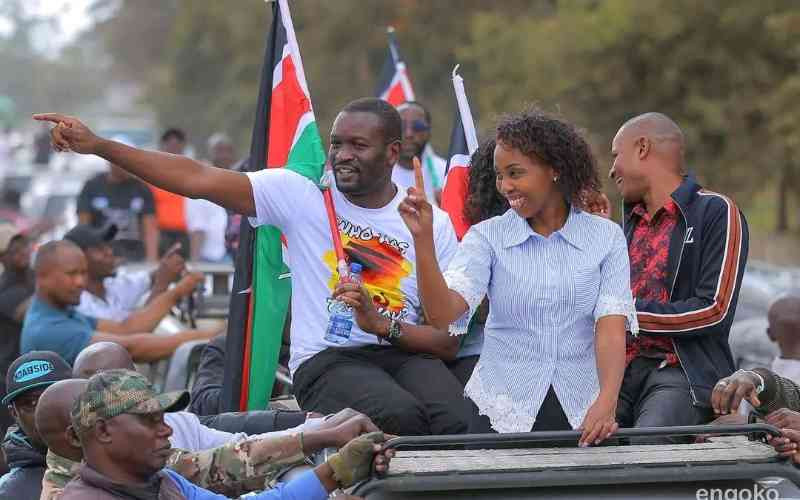
A movement can accommodate different opinions. But when personal ambitions, party leadership and presidential nominations become difficult to reconcile, the unity that supporters see on the streets can become much harder to maintain.
Is the opposition learning from Kenya's political history?
Kenya has experienced moments when opposition leaders came together around a common political objective.
The 2002 General Election is often cited as an example of opposition parties uniting to challenge Kanu's long rule. Recent reporting has drawn comparisons between that period and the current consultations among opposition leaders.
and will it hold?
But history should not be used as a guarantee.
Every election has its own circumstances. The personalities are different, the public concerns are different, and the political alliances are different.
The lesson is not that every opposition coalition must succeed. The lesson is that political unity requires more than a shared opponent.
It requires a common understanding of what comes next.
What about President William Ruto?
President William Ruto is seeking a second term in the 2027 General Election. Meanwhile, opposition leaders have been holding consultations to explore how they can challenge him with a united political force.
The opposition's disagreements therefore come at a politically important time.
But should Kenyans conclude that Ruto will serve two terms simply because Linda Mwananchi is experiencing internal problems?
That would be premature.
A political disagreement does not automatically translate into an election result. Likewise, a rally or a growing movement does not automatically establish that a candidate will win.
The outcome will depend on the candidates, alliances, campaigns, voter choices and electoral process.
What we can say is that the opposition's ability to resolve its differences will be one of the issues to watch as the 2027 election approaches.
The question of leadership
One of the biggest questions facing Linda Mwananchi is whether its leaders can agree on a presidential candidate.
Sifuna has publicly expressed his intention to challenge Ruto. Orengo has also declared his presidential ambitions. Babu Owino has been involved in the movement's mobilization and has expressed support for Sifuna, while other opposition leaders are engaged in consultations.
The issue is not whether these leaders have a right to seek the presidency. They do.
The issue is how their ambitions can coexist within one political movement.
Can they hold a credible nomination process?
Can they agree on a candidate without creating rival camps?
Can supporters accept the outcome?
And if they fail to agree, will they still work together?
These are questions that the movement must answer.
What should Kenyans expect from the opposition?
For many Kenyans, the 2027 election is not just about political personalities.
It is about the economy, jobs, healthcare, education, corruption, security and the quality of public services.
Young people want opportunities. Families want relief from financial pressure. Communities want development that reaches them. Citizens want leaders who can explain what they intend to do and how they will do it.
The opposition therefore needs to offer more than criticism of the current administration.
It needs to present a clear programme that Kenyans can examine.
If Linda Mwananchi becomes part of a broader opposition coalition, voters should be able to understand what that coalition stands for, who will lead it and what its priorities are.
Should we start getting used to a two-term presidency?
This is where I believe Kenyans need to be careful.
We should not confuse political confidence with certainty.
President Ruto has supporters. The opposition has supporters. Both sides are working to build political support ahead of 2027.
But the presidency is decided by voters.
The fact that the opposition is disagreeing today does not mean that it cannot resolve its differences tomorrow.
And the fact that a movement is attracting attention does not mean that its eventual candidate will automatically win.
Kenya's democracy should allow citizens to assess all political formations based on their records, policies, leadership and plans for the country.
The question should not simply be whether Ruto will serve two terms.
The question should also be: What are the alternatives, and what are they offering Kenyans?
Conclusion: The opposition must decide what it wants
The disagreement within Linda Mwananchi is a reminder that political movements are tested not only by the strength of their opponents, but also by how they manage their own differences.
If the movement wants to challenge President Ruto, it must find a way to reconcile its ambitions, agree on its political vehicle and present a clear direction to the country.
That does not mean every leader must abandon his or her ambitions. It means the movement needs a credible process through which those ambitions can be managed.
For Kenyans, the responsibility is equally important.
We should not assume that one side will win because the other side is divided. We should not accept any political outcome as inevitable before the election. And we should not allow political personalities to distract us from the issues that affect our daily lives.
The 2027 election belongs to the voters.
Whether Linda Mwananchi becomes a united political force or remains divided is still a question to be answered.
Whether President William Ruto serves two terms is also a question to be answered.
What should not be in doubt is the right of Kenyans to make that decision for themselves.
What do you think, fellow Kenyans? Is Linda Mwananchi's biggest challenge President Ruto, or is it the disagreement among its own leaders?