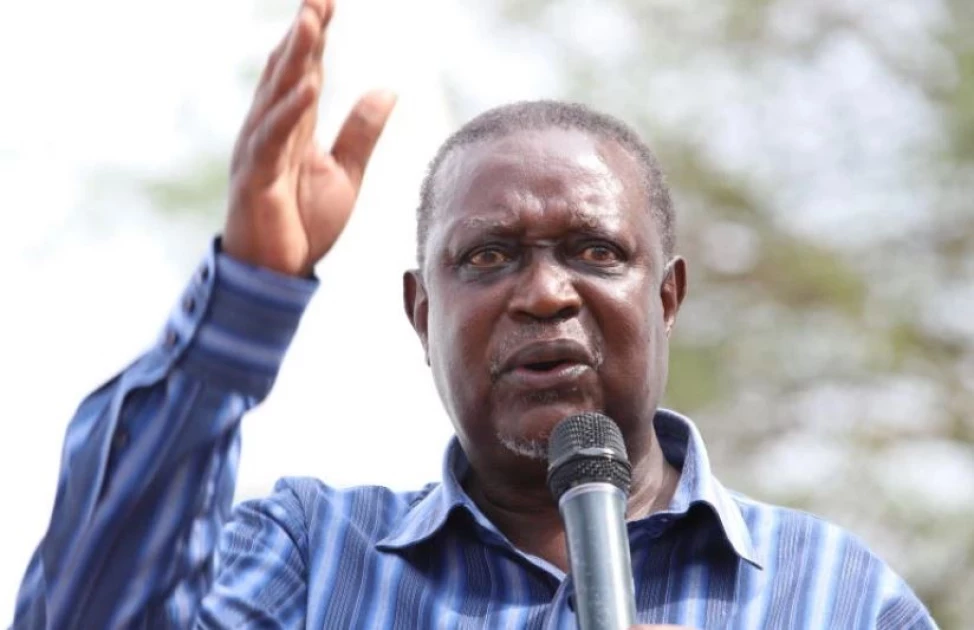
The resignation of Siaya Senator Dr. Oburu Oginga as chairman of the Senate Energy Committee has opened another uncomfortable conversation about the man now sitting in the political seat once occupied by his late brother, Raila Amolo Odinga.
Oburu announced his resignation during a meeting of the Senate Energy Committee on Tuesday, August 11, citing circumstances “beyond his control.” He subsequently made way for Elgeyo Marakwet Senator William Kisang, who was unanimously elected to take over the committee.
On its own, a resignation from a parliamentary committee is not evidence of political failure. Politicians resign from positions for a variety of reasons, and Oburu has not publicly provided details suggesting that the decision amounts to an admission of wrongdoing or inability.
But politically, the timing is difficult to ignore.
Oburu is not merely the Senator for Siaya. He is the man who inherited one of the most consequential political organisations in modern Kenya after the death of his younger brother, Raila Odinga.
That is where the real question begins:
Is Oburu Oginga capable of leading ODM, or is he simply occupying a position created by the political shadow of Raila Odinga?
The problem of inheriting Raila’s political empire
Raila did not build ODM overnight.
For years, his political brand was bigger than the party itself. His supporters knew him as “Baba”, and his political networks stretched across regions, generations and ethnic communities. ODM's electoral identity became deeply intertwined with his personality, his opposition politics and his ability to negotiate political alliances.
Oburu, by contrast, is an experienced politician, economist and long-serving political operator but he is not Raila.
And perhaps the biggest mistake ODM could make is assuming that because Oburu is Raila's elder brother, he can automatically reproduce Raila's political influence.
He cannot.
Political legitimacy is not hereditary.
A surname can open doors. It cannot guarantee votes.
The Orange Democratic Movement itself currently identifies Oburu as its party leader and describes his role as providing continuity following the death of his brother.
But continuity is not the same thing as political succession.
ODM's biggest test is no longer keeping Raila's legacy alive
The party has already entered a complicated post-Raila era.
Oburu's elevation has not been without controversy. In March 2026, ODM formally ratified him as party leader at a Special Delegates Convention, but a rival faction rejected the process and held a parallel meeting.
That matters.
A party leader does not only need the legal instruments of office. He needs political authority.
He needs people who will follow him when there is no Raila standing behind him.
He needs governors willing to defend his decisions.
He needs MPs prepared to campaign for his strategy.
He needs young politicians who see their future inside the party.
And, most importantly, he needs ordinary ODM supporters to believe that the party still represents something larger than the memory of its former leader.
That is the test Oburu has yet to fully answer.
Then came the Ruto question
Perhaps nothing illustrates the challenge better than ODM's evolving relationship with President William Ruto.
Oburu has stated that ODM will not field a presidential candidate in the 2027 General Election and will instead support Ruto's re-election bid, arguing that negotiations for a pre-election agreement had been concluded.
That is a dramatic departure from the political identity associated with Raila Odinga.
For decades, Raila's political capital was built substantially around opposition to successive governments.
Now the party he left behind is working with the government it once fiercely opposed.
That does not necessarily make the strategy wrong. Politics is about interests, negotiations and power.
But Oburu must answer a difficult political question:
Can he convince Raila's supporters that working with Ruto is a strategic decision rather than an abandonment of the political principles that built ODM?
That is where leadership becomes more than occupying an office.
The resignation makes the question even louder
Again, Oburu's departure from the Energy Committee does not prove that he is incapable.
It would be irresponsible to make that conclusion without knowing the full circumstances behind his decision.
But the phrase “circumstances beyond my control” naturally invites questions.
What circumstances?
Was there political pressure?
Was there an internal disagreement?
Was the resignation part of a larger political strategy?
Or is this simply an ordinary parliamentary leadership change that has been amplified because of Oburu's position as ODM leader?
Until Oburu explains more, speculation will fill the vacuum.
And political leaders should understand that silence rarely stops speculation, it usually feeds it.
Can Oburu command ODM without Raila?
This is perhaps the ultimate test.
Oburu has experience. He has political longevity. He understands the political machinery surrounding the Odinga family. He also has the advantage of being an elder statesman with decades of exposure to Kenyan politics.
But ODM does not need merely an administrator.
It needs a political strategist.
It needs someone who can negotiate coalitions without destroying the party's identity.
It needs someone who can control internal rebellion without turning the party into a collection of rival camps.
It needs someone who can attract younger voters.
And it needs someone capable of creating a political message that works in Nairobi, Kisumu, Mombasa, Kakamega, Homa Bay, Siaya and beyond the traditional ODM strongholds.
That is a considerably bigger task than succeeding Raila on paper.
Raila's greatest legacy may become Oburu's greatest burden
There is an irony here.
The more Oburu tries to present himself as the custodian of Raila's political legacy, the more people may compare him with Raila.
And that is a comparison he is unlikely to win simply because Raila spent decades building a political movement around himself.
The smarter approach may be to stop trying to become Raila 2.0.
Oburu is Oburu.
If he is to lead ODM successfully, he must establish his own political authority, his own coalition-building strategy and, most importantly, his own relationship with the Kenyan voter.
The question facing ODM is therefore not whether Oburu is Raila.
He isn't.
The question is whether Oburu can build an ODM that does not need Raila to survive.
That is a much harder challenge.
The 2027 election will provide the verdict
Ultimately, political parties are judged at the ballot box.
The speeches, conventions, committee positions, alliances and press conferences will eventually give way to voters.
If ODM maintains its influence, expands beyond its traditional base and successfully negotiates a powerful position in the next government, Oburu could be remembered as the leader who successfully navigated the party through the most difficult succession in its history.
But if the party fragments, loses influential politicians, struggles to mobilise its traditional supporters or becomes politically irrelevant outside coalition negotiations, history may tell a very different story.
Oburu has inherited the chair.
Now he must prove that he inherited the political machinery to operate it.
And perhaps the most uncomfortable question for ODM supporters is this:
Was Raila Odinga's political movement strong enough to survive Raila or was ODM, all along, largely a vehicle for one man's extraordinary political influence?
The answer will not come from Oburu's title.
It will come from the voters.
Oburu announced his resignation during a meeting of the Senate Energy Committee on Tuesday, August 11, citing circumstances “beyond his control.” He subsequently made way for Elgeyo Marakwet Senator William Kisang, who was unanimously elected to take over the committee.
On its own, a resignation from a parliamentary committee is not evidence of political failure. Politicians resign from positions for a variety of reasons, and Oburu has not publicly provided details suggesting that the decision amounts to an admission of wrongdoing or inability.
But politically, the timing is difficult to ignore.
Oburu is not merely the Senator for Siaya. He is the man who inherited one of the most consequential political organisations in modern Kenya after the death of his younger brother, Raila Odinga.
That is where the real question begins:
Is Oburu Oginga capable of leading ODM, or is he simply occupying a position created by the political shadow of Raila Odinga?
The problem of inheriting Raila’s political empire
Raila did not build ODM overnight.
For years, his political brand was bigger than the party itself. His supporters knew him as “Baba”, and his political networks stretched across regions, generations and ethnic communities. ODM's electoral identity became deeply intertwined with his personality, his opposition politics and his ability to negotiate political alliances.
Oburu, by contrast, is an experienced politician, economist and long-serving political operator but he is not Raila.
And perhaps the biggest mistake ODM could make is assuming that because Oburu is Raila's elder brother, he can automatically reproduce Raila's political influence.
He cannot.
Political legitimacy is not hereditary.
A surname can open doors. It cannot guarantee votes.
The Orange Democratic Movement itself currently identifies Oburu as its party leader and describes his role as providing continuity following the death of his brother.
But continuity is not the same thing as political succession.
ODM's biggest test is no longer keeping Raila's legacy alive
The party has already entered a complicated post-Raila era.
Oburu's elevation has not been without controversy. In March 2026, ODM formally ratified him as party leader at a Special Delegates Convention, but a rival faction rejected the process and held a parallel meeting.
That matters.
A party leader does not only need the legal instruments of office. He needs political authority.
He needs people who will follow him when there is no Raila standing behind him.
He needs governors willing to defend his decisions.
He needs MPs prepared to campaign for his strategy.
He needs young politicians who see their future inside the party.
And, most importantly, he needs ordinary ODM supporters to believe that the party still represents something larger than the memory of its former leader.
That is the test Oburu has yet to fully answer.
Then came the Ruto question
Perhaps nothing illustrates the challenge better than ODM's evolving relationship with President William Ruto.
Oburu has stated that ODM will not field a presidential candidate in the 2027 General Election and will instead support Ruto's re-election bid, arguing that negotiations for a pre-election agreement had been concluded.
That is a dramatic departure from the political identity associated with Raila Odinga.
For decades, Raila's political capital was built substantially around opposition to successive governments.
Now the party he left behind is working with the government it once fiercely opposed.
That does not necessarily make the strategy wrong. Politics is about interests, negotiations and power.
But Oburu must answer a difficult political question:
Can he convince Raila's supporters that working with Ruto is a strategic decision rather than an abandonment of the political principles that built ODM?
That is where leadership becomes more than occupying an office.
The resignation makes the question even louder
Again, Oburu's departure from the Energy Committee does not prove that he is incapable.
It would be irresponsible to make that conclusion without knowing the full circumstances behind his decision.
But the phrase “circumstances beyond my control” naturally invites questions.
What circumstances?
Was there political pressure?
Was there an internal disagreement?
Was the resignation part of a larger political strategy?
Or is this simply an ordinary parliamentary leadership change that has been amplified because of Oburu's position as ODM leader?
Until Oburu explains more, speculation will fill the vacuum.
And political leaders should understand that silence rarely stops speculation, it usually feeds it.
Can Oburu command ODM without Raila?
This is perhaps the ultimate test.
Oburu has experience. He has political longevity. He understands the political machinery surrounding the Odinga family. He also has the advantage of being an elder statesman with decades of exposure to Kenyan politics.
But ODM does not need merely an administrator.
It needs a political strategist.
It needs someone who can negotiate coalitions without destroying the party's identity.
It needs someone who can control internal rebellion without turning the party into a collection of rival camps.
It needs someone who can attract younger voters.
And it needs someone capable of creating a political message that works in Nairobi, Kisumu, Mombasa, Kakamega, Homa Bay, Siaya and beyond the traditional ODM strongholds.
That is a considerably bigger task than succeeding Raila on paper.
Raila's greatest legacy may become Oburu's greatest burden
There is an irony here.
The more Oburu tries to present himself as the custodian of Raila's political legacy, the more people may compare him with Raila.
And that is a comparison he is unlikely to win simply because Raila spent decades building a political movement around himself.
The smarter approach may be to stop trying to become Raila 2.0.
Oburu is Oburu.
If he is to lead ODM successfully, he must establish his own political authority, his own coalition-building strategy and, most importantly, his own relationship with the Kenyan voter.
The question facing ODM is therefore not whether Oburu is Raila.
He isn't.
The question is whether Oburu can build an ODM that does not need Raila to survive.
That is a much harder challenge.
The 2027 election will provide the verdict
Ultimately, political parties are judged at the ballot box.
The speeches, conventions, committee positions, alliances and press conferences will eventually give way to voters.
If ODM maintains its influence, expands beyond its traditional base and successfully negotiates a powerful position in the next government, Oburu could be remembered as the leader who successfully navigated the party through the most difficult succession in its history.
But if the party fragments, loses influential politicians, struggles to mobilise its traditional supporters or becomes politically irrelevant outside coalition negotiations, history may tell a very different story.
Oburu has inherited the chair.
Now he must prove that he inherited the political machinery to operate it.
And perhaps the most uncomfortable question for ODM supporters is this:
Was Raila Odinga's political movement strong enough to survive Raila or was ODM, all along, largely a vehicle for one man's extraordinary political influence?
The answer will not come from Oburu's title.
It will come from the voters.