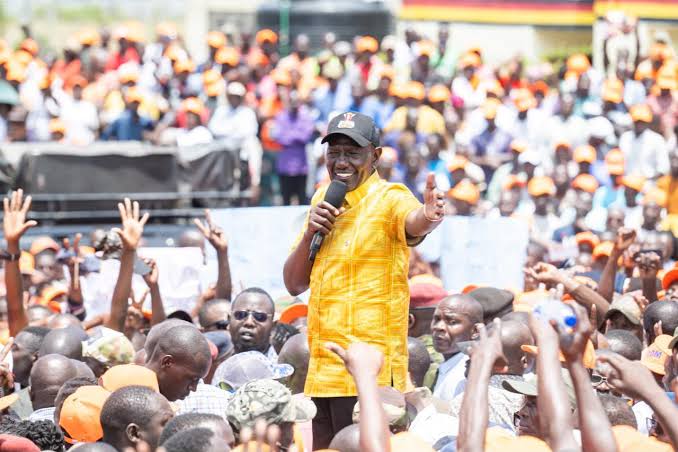

As Kenya moves closer to the 2027 General Election, presidential visits to different communities are beginning to attract more political attention. President William Ruto's recent visit to the Gusii community is one such engagement that deserves closer examination.
Presidential visits are not unusual. They provide an opportunity for the Head of State to interact with citizens, inspect development projects, launch new initiatives and address local concerns. However, when such visits happen this close to a general election, it is only natural for Kenyans to question whether the primary objective is development or political mobilization.
The Gusii region, like many other parts of Kenya, has its own development priorities. Healthcare, education, roads, employment and economic opportunities remain important concerns. The President's announcements, including investments in healthcare facilities, education infrastructure, roads and digital opportunities, speak to some of these needs.
But here is where I believe the real conversation should begin: Are we measuring leadership by what is promised during political visits or by what is actually delivered between elections?
There is nothing wrong with a president visiting a community or initiating development projects ahead of an election. In fact, communities should welcome development regardless of its political timing. However, citizens must also understand that public development is not a personal favor from a politician. It is part of the government's responsibility to the people.
What concerns me about Kenyan politics is the tendency to turn development into a political bargaining tool. Roads, hospitals, schools and other essential services sometimes become campaign talking points rather than measurable public responsibilities.
The people of Gusii should therefore look beyond the excitement of presidential rallies and ask practical questions. What projects have been completed? Which ones are still pending? What are the implementation timelines for the new promises? How many young people will actually benefit from the announced opportunities?
Equally, we should not dismiss the political dimension of this visit. With 2027 approaching, political leaders are naturally interested in strengthening relationships with communities and building support. The Gusii region is an important political constituency, and engaging its residents is part of the wider national political conversation.
However, political engagement should go beyond seeking endorsements, attending rallies and making promises. It should involve listening to citizens, understanding their priorities and allowing them to hold leaders accountable.
Ultimately, the people of Gusii should not have to choose between receiving development and questioning the government. They deserve both.
And this conversation should extend beyond Gusii. Every Kenyan community deserves consistent attention, not just when political campaigns begin gaining momentum.
As we approach 2027, perhaps the question we should be asking every political leader is not how many communities they have visited, but how many promises they have fulfilled.
Because leadership should be remembered for its delivery, not simply for the size of its rallies.