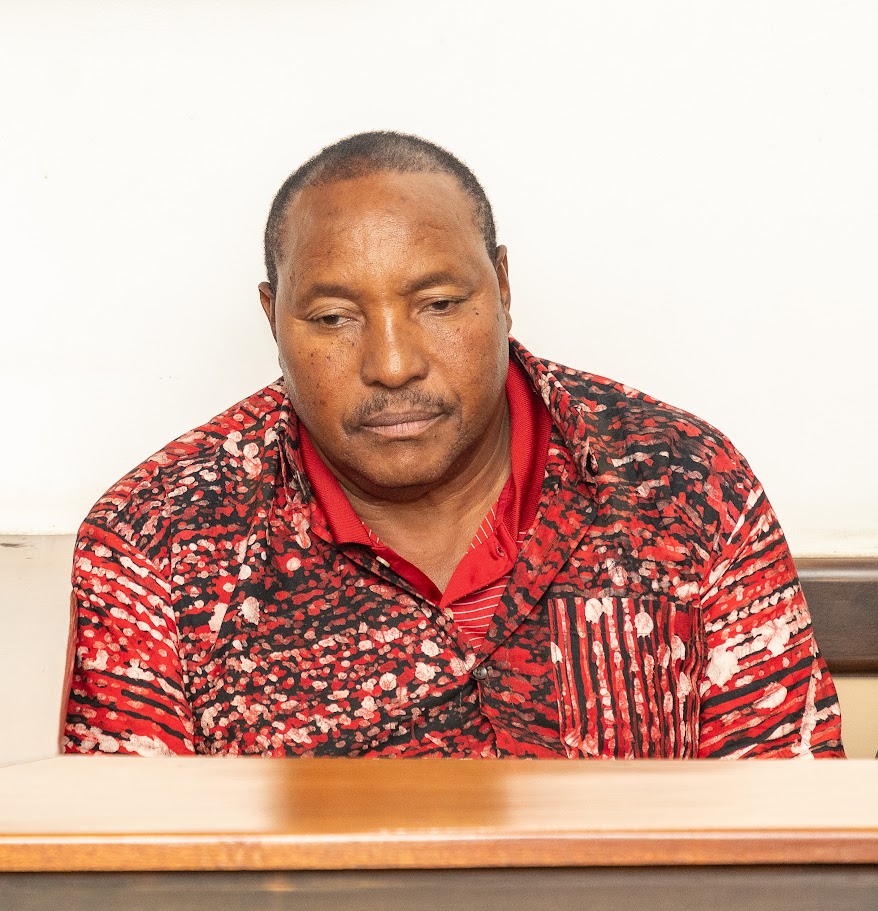
Former Kiambu Governor Ferdinand Waititu is headed back to prison after the High Court upheld his corruption conviction and 12-year prison sentence, marking another major development in Kenya’s fight against corruption.
The High Court has dismissed an appeal by Ferdinand Waititu, upholding the sentence imposed on the former Kiambu governor over a corruption case involving a road construction contract worth approximately KSh588 million.
In a ruling delivered on October 14, 2026, Justice Rose Ougo of the Milimani Anti-Corruption High Court upheld Waititu’s conviction and sentence, rejecting his challenge alongside those of his co-accused. The court also upheld a ten-year disqualification from holding public office.
Waititu was sentenced in February 2025 to 12 years in prison, with an alternative fine of approximately KSh53 million, after being convicted of corruption-related offences linked to the award of a road construction tender by the Kiambu County Government.
The KSh588 Million Contract at the Centre of the Case
The case arose from a contract awarded to Testimony Enterprises Limited during the 2017/2018 financial year to upgrade gravel roads to bitumen standards in several parts of Kiambu County.
The prosecution presented evidence relating to irregular procurement, conflicts of interest and financial transactions linked to the contract. Waititu was found guilty of corruptly receiving approximately KSh25 million connected to the company awarded the tender.
The case also involved Waititu’s wife, Susan Wangari Ndung’u, former county roads chief officer Luka Mwangi Wahinya and businessman Charles Chege Mbuthia.
Court Reverses Money Laundering Acquittals
In another significant development, the High Court overturned the earlier acquittals on money laundering charges and entered convictions against the accused persons on the relevant counts.
The court directed that they return to the magistrate’s court for mitigation and sentencing on the additional charges. The ruling also led to the cancellation of bond terms for those who had been released pending appeal.
The Ethics and Anti-Corruption Commission welcomed the decision, describing the money laundering convictions as significant in efforts to trace suspected proceeds of corruption.
What Does This Mean for Kenya’s Fight Against Corruption?
Waititu’s case raises an important question about accountability in public office. County governments manage substantial public resources, and procurement decisions directly affect whether taxpayers receive roads, hospitals, water infrastructure and other essential services.
When public contracts become the subject of corruption prosecutions, the consequences extend beyond the individuals charged. Communities may lose the opportunity to benefit fully from public investment, while confidence in government institutions can suffer.
The ruling also demonstrates the role of the judiciary in reviewing convictions and determining whether sentences imposed by lower courts comply with the law.
However, the broader fight against corruption requires more than convictions. It also depends on transparent procurement systems, effective audits, independent investigations and the recovery of public funds where wrongdoing is established.
Is This the End of Waititu’s Legal Battle?
The ruling is a major setback for the former governor, but it does not necessarily mean every related legal matter has concluded. Waititu has been given 14 days to appeal the High Court decision, according to court reporting, while the additional money laundering charges are scheduled for mitigation and sentencing on October 19, 2026.
For Kenyans, the case serves as a reminder that accountability in public office must be taken seriously, regardless of a person's former position or political influence.
The ultimate question is not just how many public officials are convicted, but whether Kenya can build systems that prevent public money from being lost to corruption in the first place.
The High Court has dismissed an appeal by Ferdinand Waititu, upholding the sentence imposed on the former Kiambu governor over a corruption case involving a road construction contract worth approximately KSh588 million.
In a ruling delivered on October 14, 2026, Justice Rose Ougo of the Milimani Anti-Corruption High Court upheld Waititu’s conviction and sentence, rejecting his challenge alongside those of his co-accused. The court also upheld a ten-year disqualification from holding public office.
Waititu was sentenced in February 2025 to 12 years in prison, with an alternative fine of approximately KSh53 million, after being convicted of corruption-related offences linked to the award of a road construction tender by the Kiambu County Government.
The KSh588 Million Contract at the Centre of the Case
The case arose from a contract awarded to Testimony Enterprises Limited during the 2017/2018 financial year to upgrade gravel roads to bitumen standards in several parts of Kiambu County.
The prosecution presented evidence relating to irregular procurement, conflicts of interest and financial transactions linked to the contract. Waititu was found guilty of corruptly receiving approximately KSh25 million connected to the company awarded the tender.
The case also involved Waititu’s wife, Susan Wangari Ndung’u, former county roads chief officer Luka Mwangi Wahinya and businessman Charles Chege Mbuthia.
Court Reverses Money Laundering Acquittals
In another significant development, the High Court overturned the earlier acquittals on money laundering charges and entered convictions against the accused persons on the relevant counts.
The court directed that they return to the magistrate’s court for mitigation and sentencing on the additional charges. The ruling also led to the cancellation of bond terms for those who had been released pending appeal.
The Ethics and Anti-Corruption Commission welcomed the decision, describing the money laundering convictions as significant in efforts to trace suspected proceeds of corruption.
What Does This Mean for Kenya’s Fight Against Corruption?
Waititu’s case raises an important question about accountability in public office. County governments manage substantial public resources, and procurement decisions directly affect whether taxpayers receive roads, hospitals, water infrastructure and other essential services.
When public contracts become the subject of corruption prosecutions, the consequences extend beyond the individuals charged. Communities may lose the opportunity to benefit fully from public investment, while confidence in government institutions can suffer.
The ruling also demonstrates the role of the judiciary in reviewing convictions and determining whether sentences imposed by lower courts comply with the law.
However, the broader fight against corruption requires more than convictions. It also depends on transparent procurement systems, effective audits, independent investigations and the recovery of public funds where wrongdoing is established.
Is This the End of Waititu’s Legal Battle?
The ruling is a major setback for the former governor, but it does not necessarily mean every related legal matter has concluded. Waititu has been given 14 days to appeal the High Court decision, according to court reporting, while the additional money laundering charges are scheduled for mitigation and sentencing on October 19, 2026.
For Kenyans, the case serves as a reminder that accountability in public office must be taken seriously, regardless of a person's former position or political influence.
The ultimate question is not just how many public officials are convicted, but whether Kenya can build systems that prevent public money from being lost to corruption in the first place.