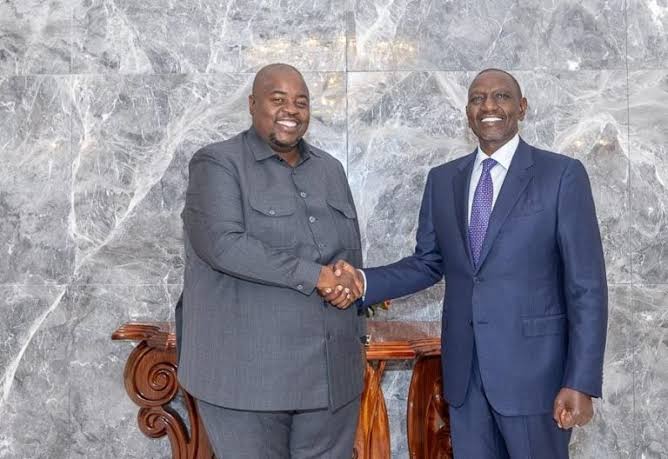
A tense moment was reported in Bondo, Siaya County, after President William Ruto’s helicopter reportedly took some time to successfully take off following his visit to Kang’o ka Jaramogi on October 7, 2026. The incident occurred after Ruto presided over the commissioning of the late Raila Odinga’s mausoleum. While the unusual takeoff attracted attention, the exact cause remains unclear, and no confirmed information has established that the helicopter suffered a technical failure or that the President was in danger.
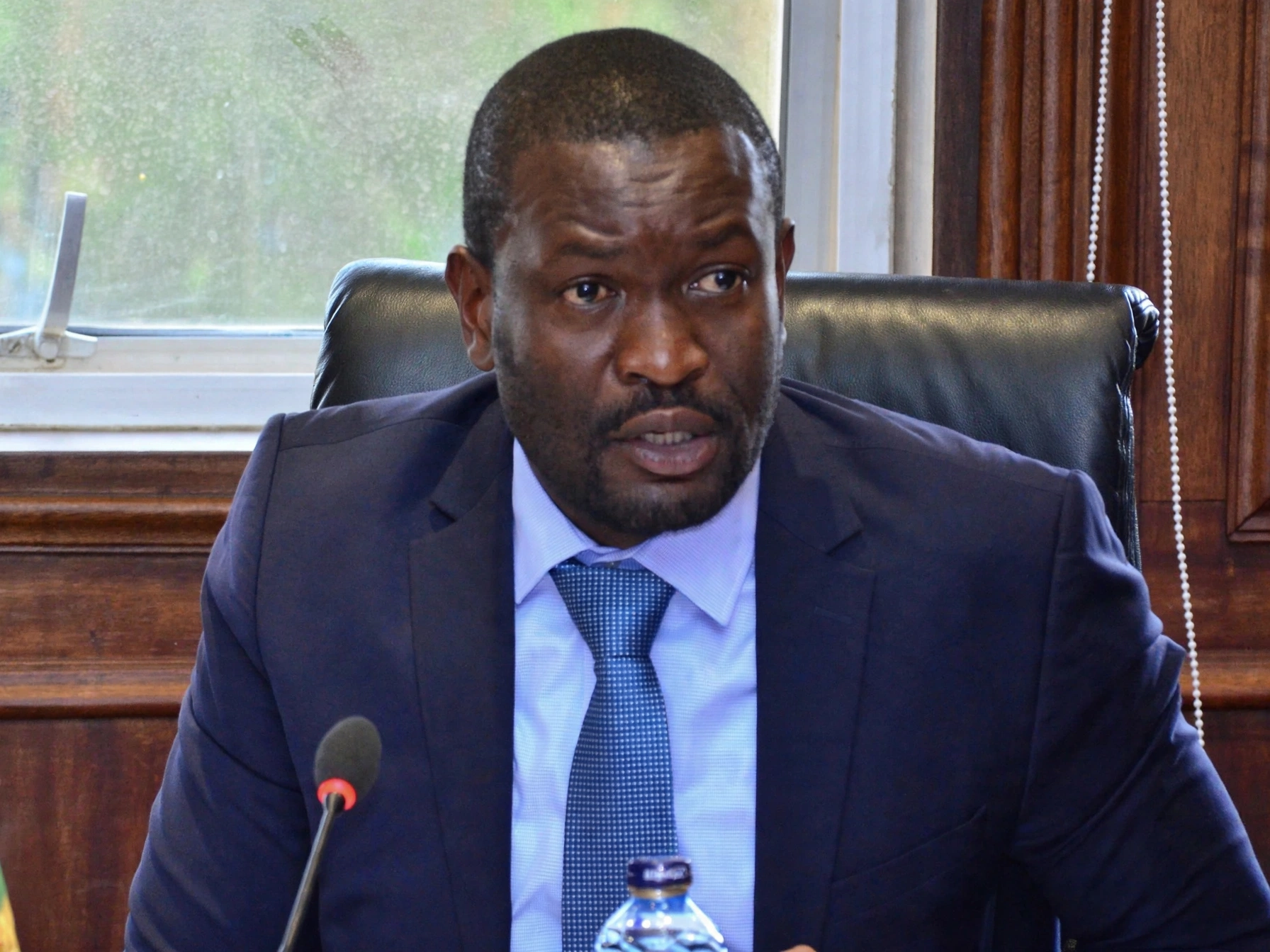
On Sunday, October 4, Sifuna was unveiled as the party leader and presidential candidate of The Equitable Party (TEP). The legistlator is using the party as the formal vehicle for the Linda Mwananchi project. TEP is not new. Registrar records show it was fully registered on March 25, 2022, so Sifuna has taken over an existing outfit rather than building one from scratch.
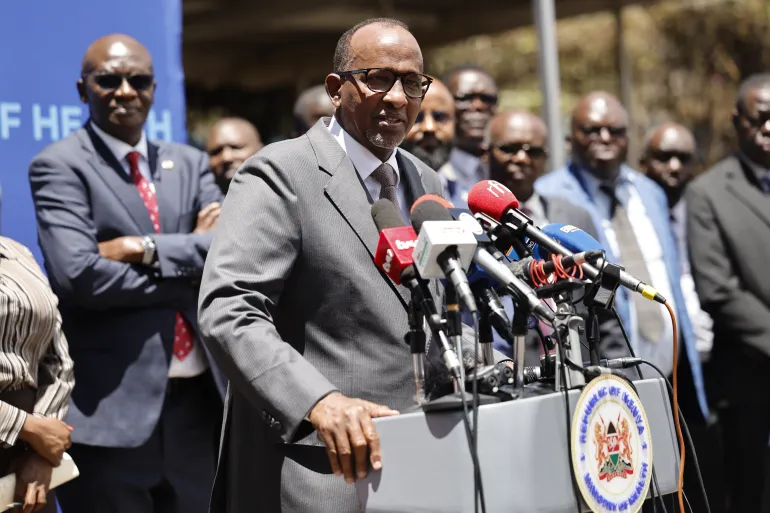
Kenya is facing a politically and economically sensitive period as the 2027 General Election approaches. Reports of difficulties securing a new IMF programme, alongside the country’s first imported Ebola case, have triggered debate and speculation online. While there is no evidence linking the two events, they highlight a bigger concern: how will Kenya finance its political and development ambitions while managing debt, public health emergencies and pressure on government finances? As 2027 approaches, fiscal discipline, institutional strength and responsible leadership will matter more than ever.
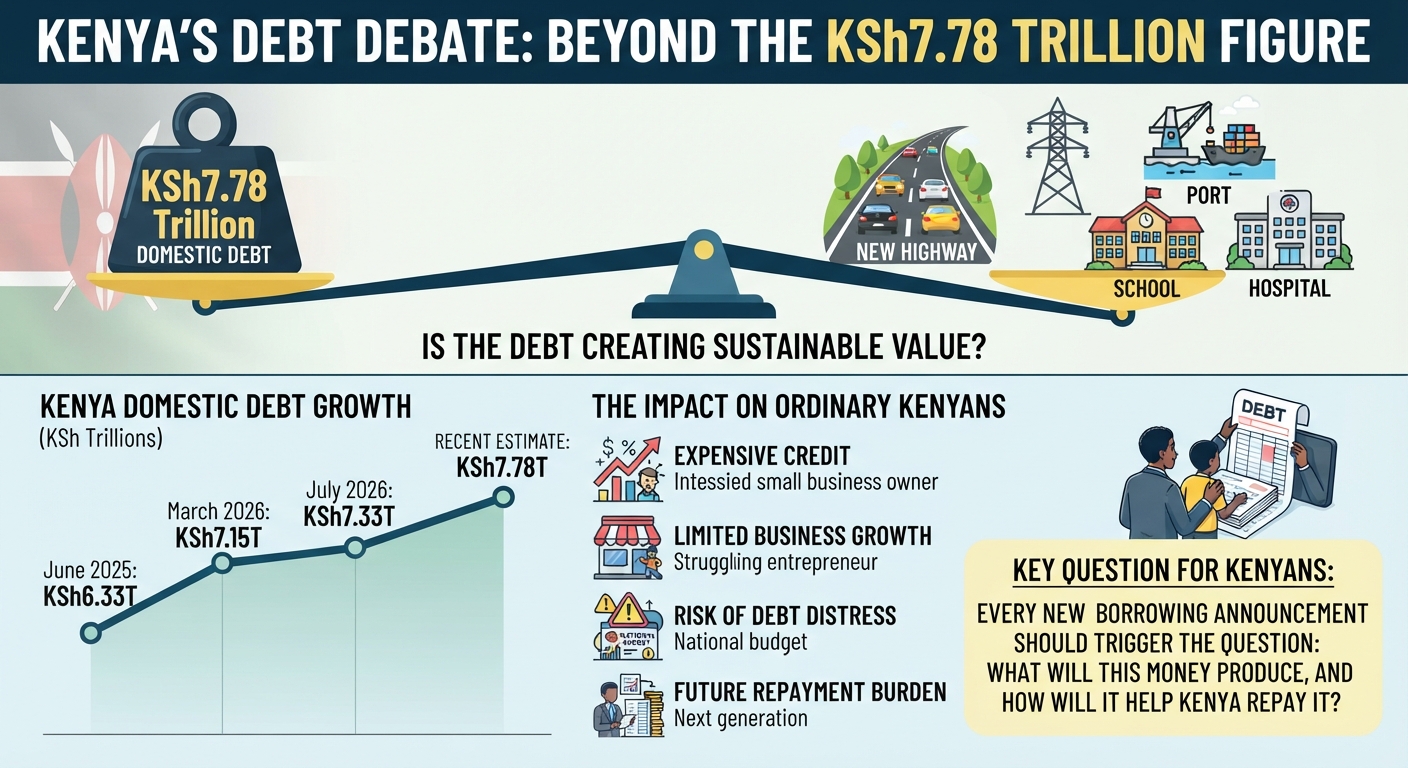
Kenya’s rising domestic debt is becoming a major economic concern, with the figure reportedly approaching KSh7.78 trillion. The issue is not simply how much Kenya is borrowing, but what the borrowed money is being used for. Borrowing can support development when invested in infrastructure, businesses, jobs and productive sectors, but excessive borrowing to finance recurrent expenses can increase pressure on taxpayers and future generations. The bigger question for Kenyans is simple: If the debt keeps rising, what are we getting in return?
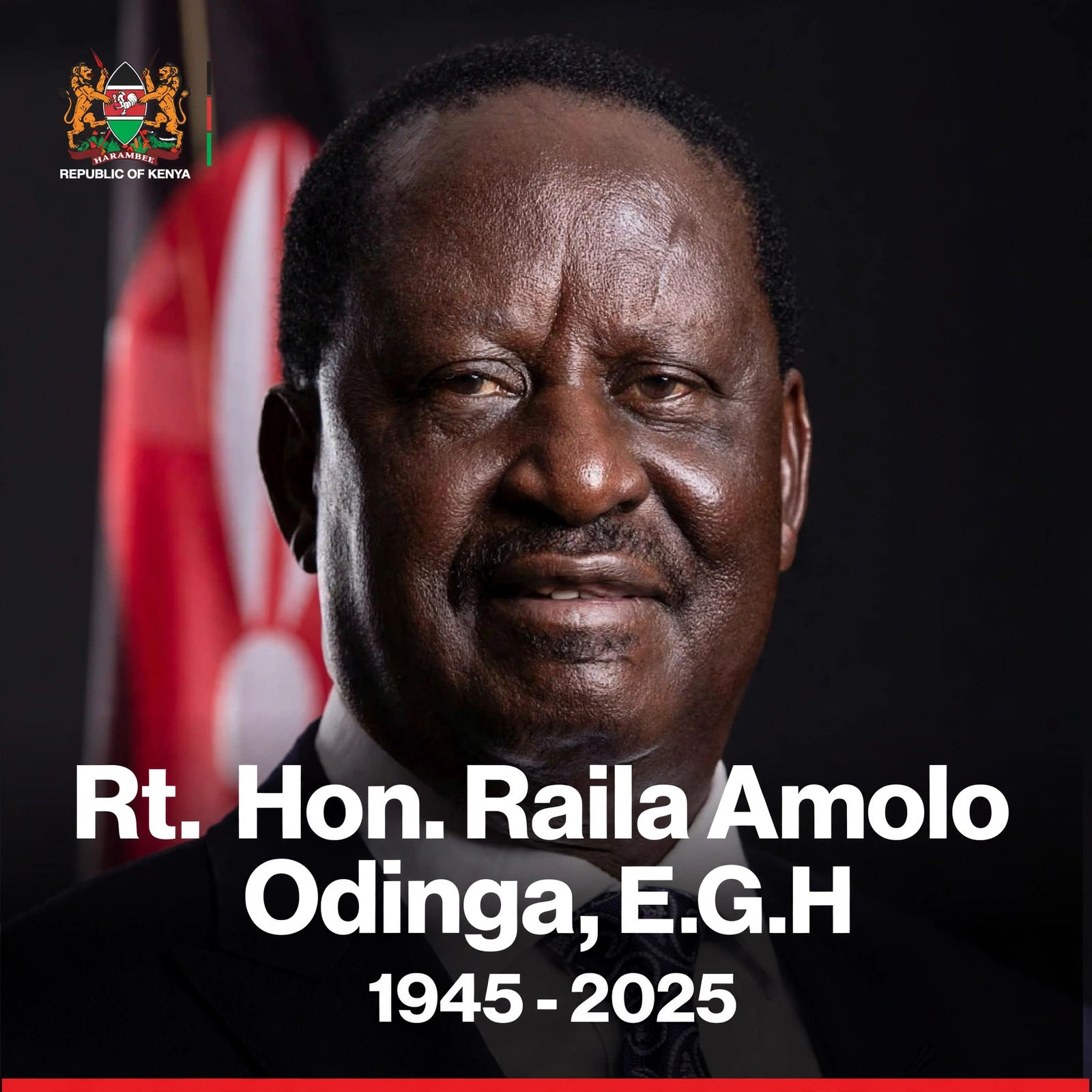
A year after his death, candles, crowds and a divided party show how deeply Kenyans still feel the absence of Raila Odinga.

Erick Omondi and Abel Mutua’s reported political ambitions following their JKL Live interview have sparked a bigger debate about celebrity politics in Kenya. After Lang’ata elected comedian Jalang’o as MP in 2022, would Kenyans give another entertainer a chance? Fame may attract voters, but effective leadership requires more than popularity. As more celebrities consider elective politics, the real question is whether they can turn their public influence into meaningful service and deliver results when the laughter stops.
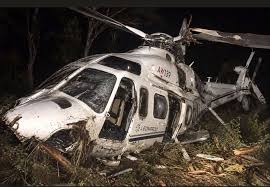
Wicknell Chivayo, the prominent Zimbabwean businessman known for his wealth, philanthropy and close relationships with influential political figures, died alongside his wife, Lucy Muteke, in a helicopter crash in Marondera, Zimbabwe. His death has drawn attention in Kenya because of his publicly known friendship with President William Ruto. As Zimbabwe investigates the cause of the crash, Chivayo's sudden death has also revived discussion about his business empire, political connections and the legacy of a businessman who lived much of his life in the public eye.
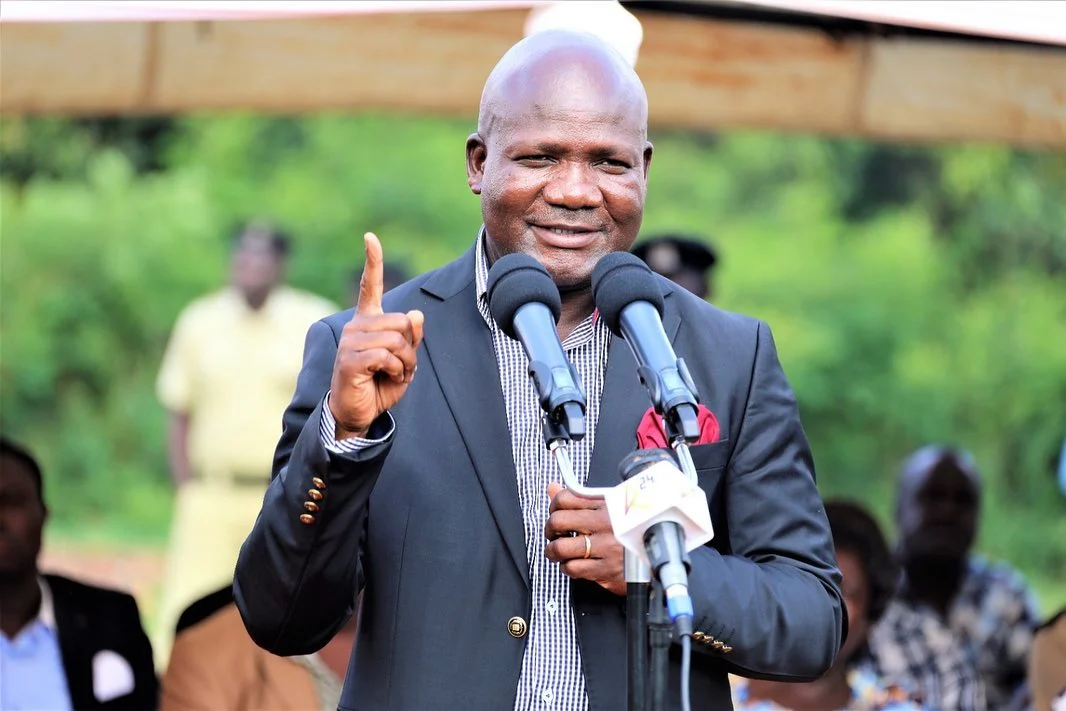
A controversial video allegedly showing Kakamega Governor Fernandes Barasa in the presence of a person described as a traditional healer has reignited questions about the hidden side of political power. While the footage alone does not prove any ritual or wrongdoing, it raises a broader debate: how far are politicians willing to go to secure and retain power? As Kenya heads toward 2027, the controversy highlights the need to distinguish evidence from rumours while examining the money, influence, beliefs and sacrifices that can surround the pursuit of political office.
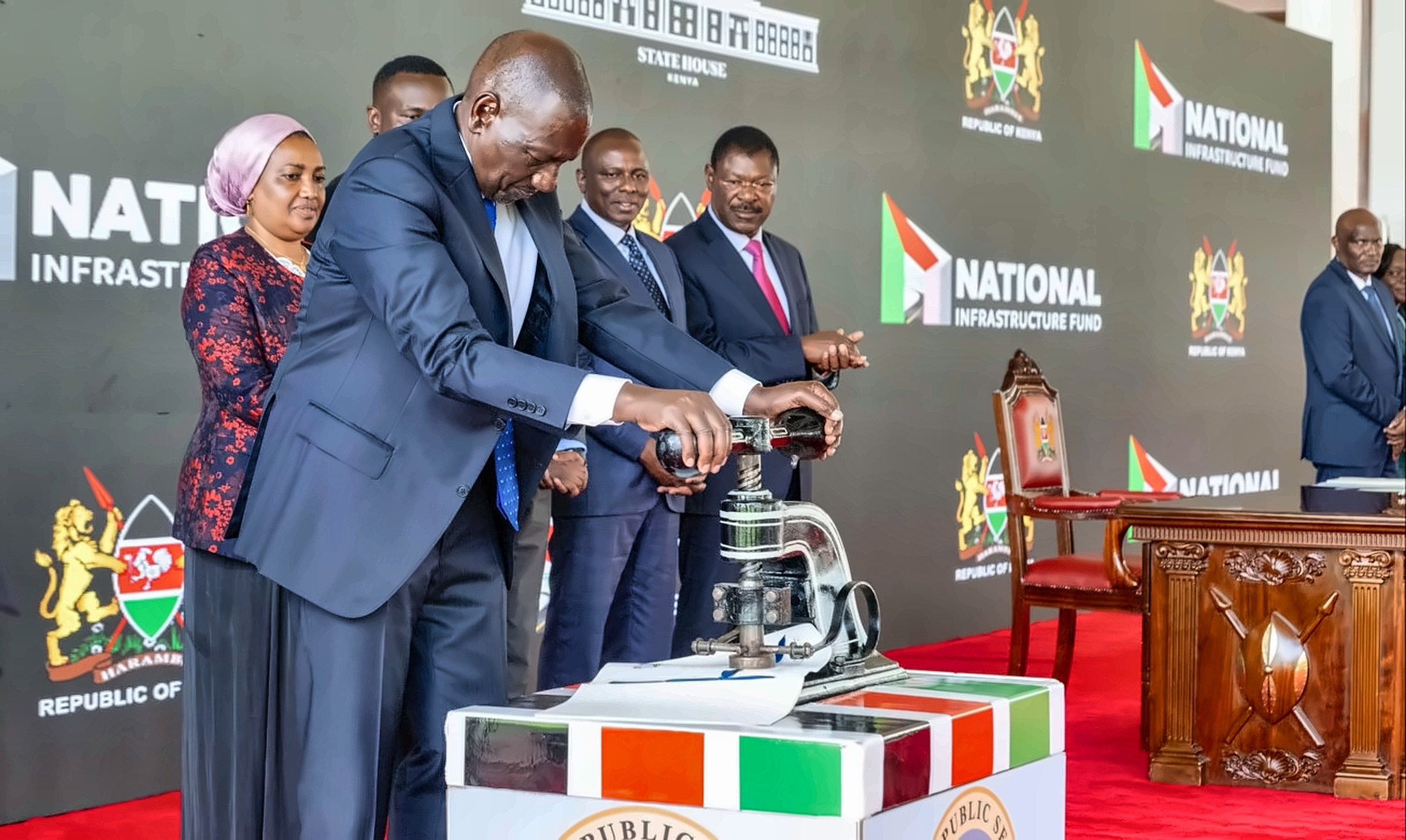
Media notables trade verses about the infrastructural development Ruto has laid. Pro-government factions agree that the administration is fit for power come 2027. While the opposition circles like a band that hasn't agreed on its lead singer, the electorate will judge the progress as a crescendo or just a loud opening act.
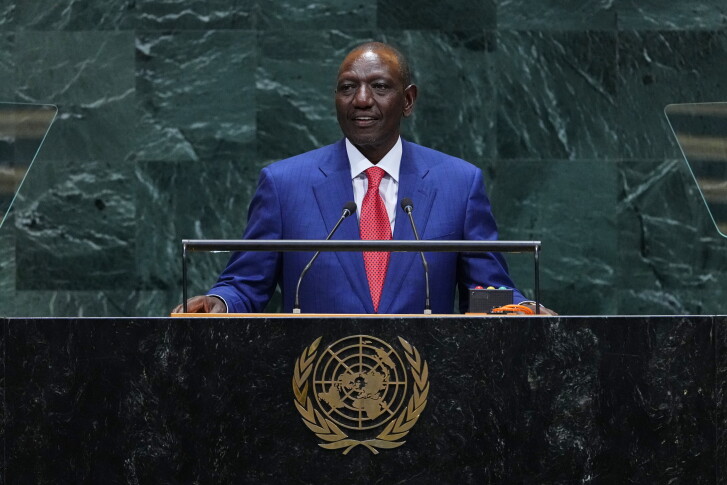
President William Ruto's 2026 UNGA speech presented Kenya as a leading African voice demanding reform of global institutions, fairer development financing and greater African representation. Yet at home, Kenya continues to face elevated debt, high living costs, limited formal employment and pressure on household incomes. The contrast raises a central question: can Kenya's ambitious international vision translate into tangible economic improvement for ordinary citizens?
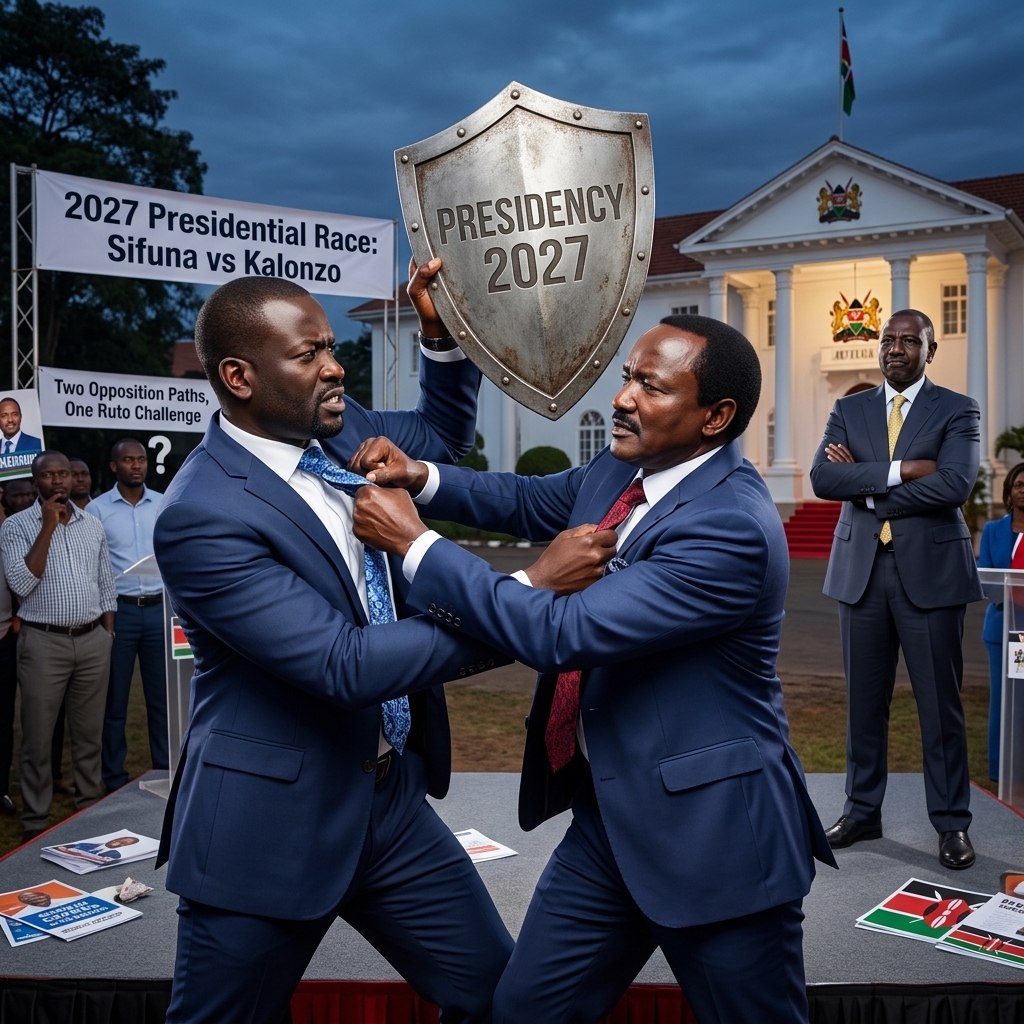
Kenya’s 2027 presidential race is taking shape around competing opposition strategies. Edwin Sifuna’s Linda Mwananchi movement and Kalonzo Musyoka’s Ukombozi Alliance represent two different routes to challenging William Ruto. Sifuna brings a new political movement and growing cross-regional alliances, while Kalonzo brings established opposition networks and presidential experience. But with ODM leaders engaging Ruto and divisions emerging over party vehicles, the key question is whether the opposition can unite or will split its support across multiple candidates.
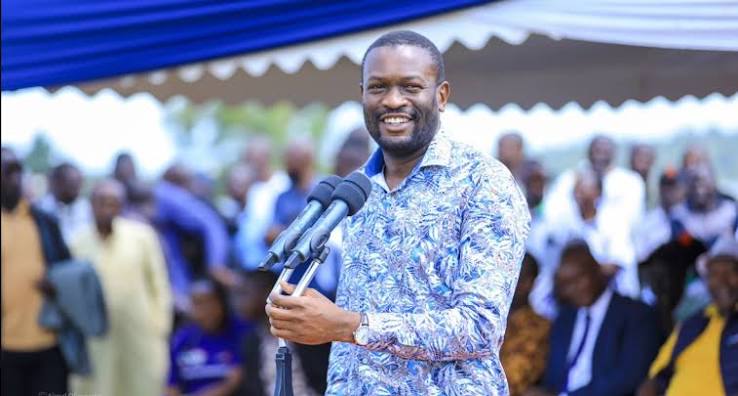
Edwin Sifuna and his allies are preparing to unveil a new political vehicle as Kenya’s 2027 political realignments gather pace. With the Linda Mwananchi movement evolving and opposition forces exploring new alliances, Sifuna’s next move could open a new chapter in Kenya’s increasingly unpredictable political landscape.