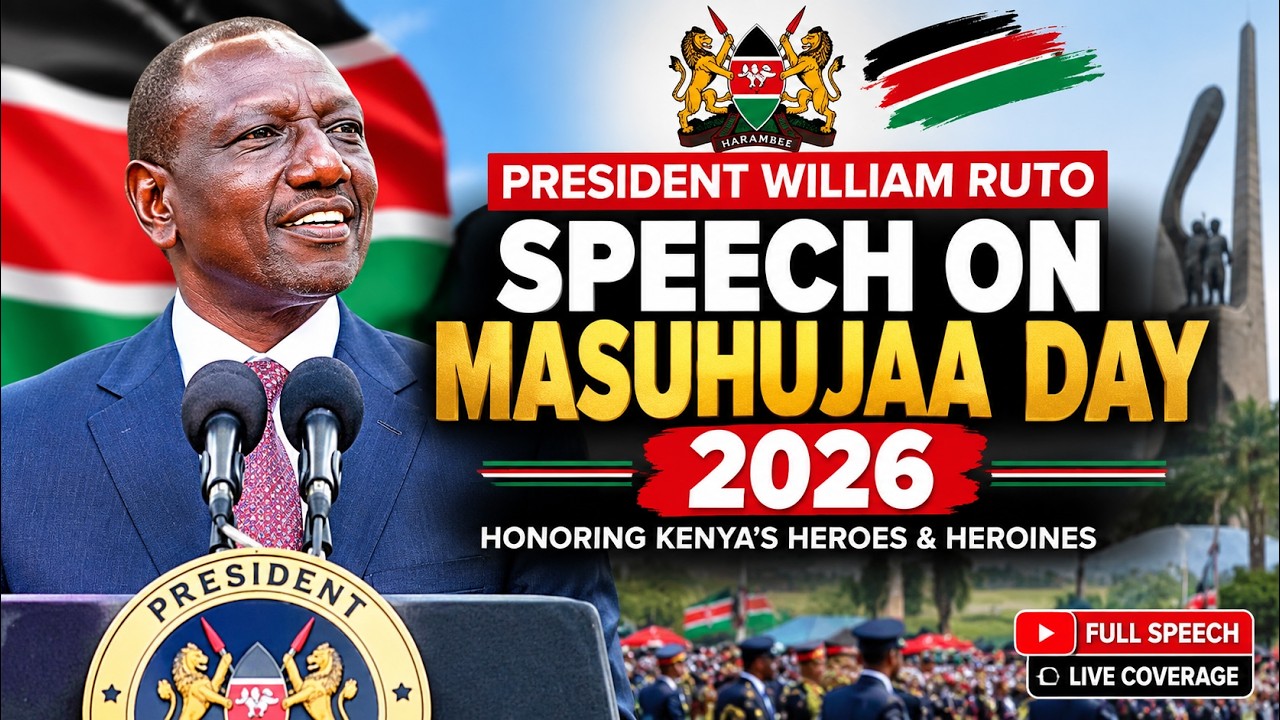
President William Ruto's Mashujaa Day proposal to exempt workers earning KSh 32,333 or less from PAYE could increase take-home pay for low-income employees, particularly young Kenyans entering the job market. But the proposal also raises questions about government revenue, public services and whether tax relief alone can address the cost of living. This financial analysis explores the benefits, risks and practical implications for an average Kenyan worker.

Thousands gather in commemoration of Mashujaa day at the Kipchoge Keino stadium in Eldoret city.
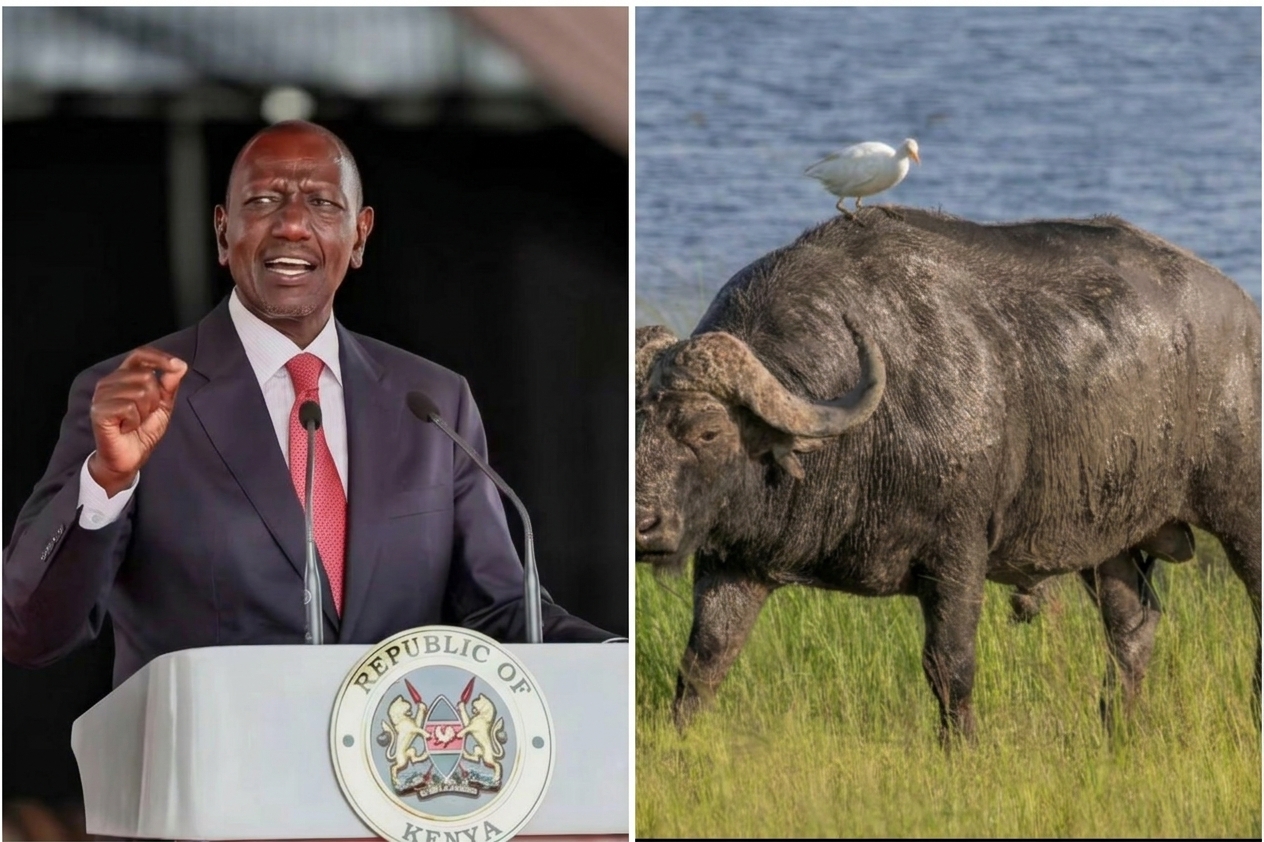
President William Ruto’s remarks about buffalo and camel milk have sparked laughter, memes and serious questions across Kenya. But was he joking or is the government considering a new direction for the dairy industry? As Kenyans debate the proposal, attention turns to milk affordability, farmers’ welfare and whether diversifying milk production can deliver real economic and environmental benefits.
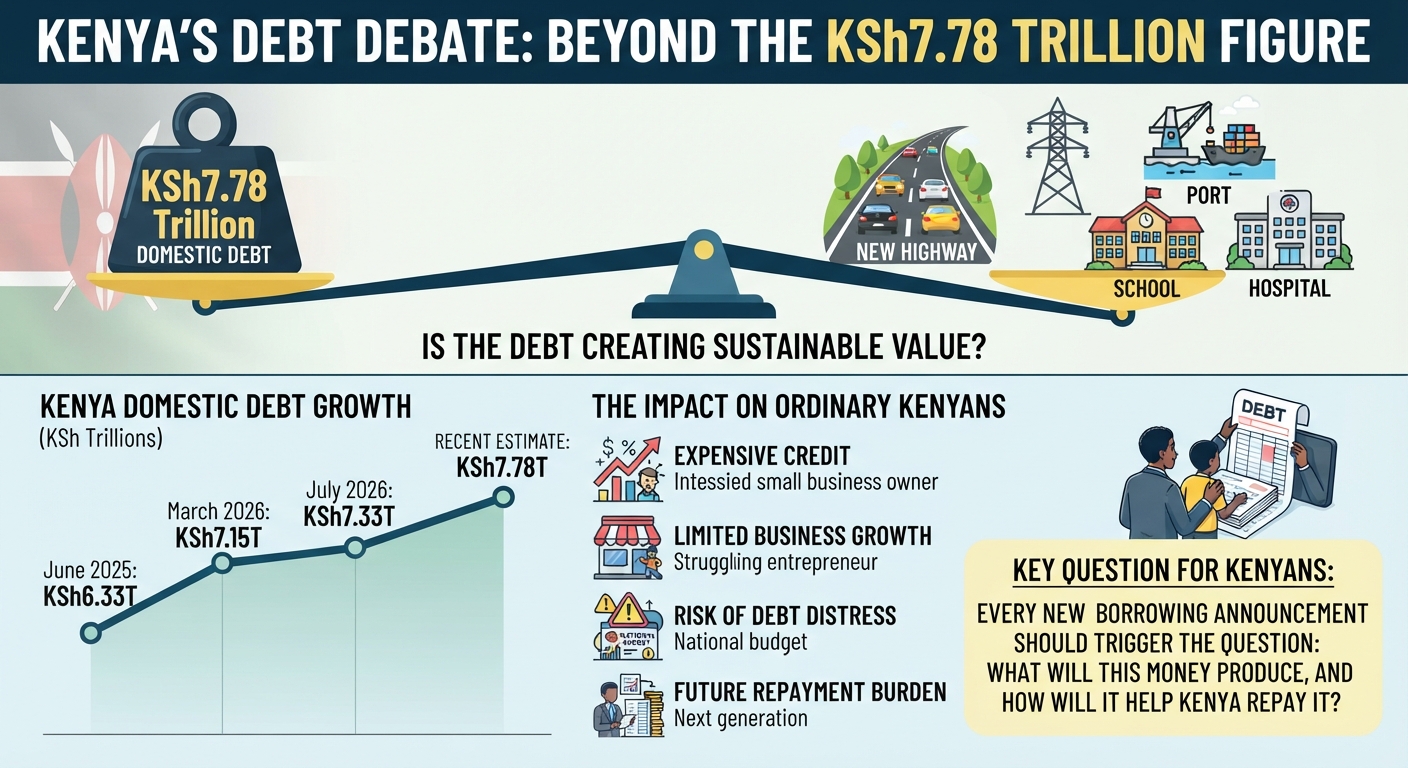
Kenya’s rising domestic debt is becoming a major economic concern, with the figure reportedly approaching KSh7.78 trillion. The issue is not simply how much Kenya is borrowing, but what the borrowed money is being used for. Borrowing can support development when invested in infrastructure, businesses, jobs and productive sectors, but excessive borrowing to finance recurrent expenses can increase pressure on taxpayers and future generations. The bigger question for Kenyans is simple: If the debt keeps rising, what are we getting in return?

Erick Omondi and Abel Mutua’s reported political ambitions following their JKL Live interview have sparked a bigger debate about celebrity politics in Kenya. After Lang’ata elected comedian Jalang’o as MP in 2022, would Kenyans give another entertainer a chance? Fame may attract voters, but effective leadership requires more than popularity. As more celebrities consider elective politics, the real question is whether they can turn their public influence into meaningful service and deliver results when the laughter stops.
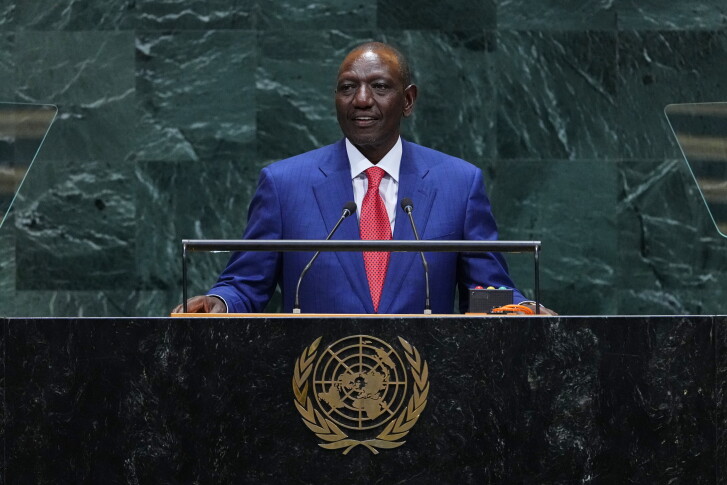
President William Ruto's 2026 UNGA speech presented Kenya as a leading African voice demanding reform of global institutions, fairer development financing and greater African representation. Yet at home, Kenya continues to face elevated debt, high living costs, limited formal employment and pressure on household incomes. The contrast raises a central question: can Kenya's ambitious international vision translate into tangible economic improvement for ordinary citizens?
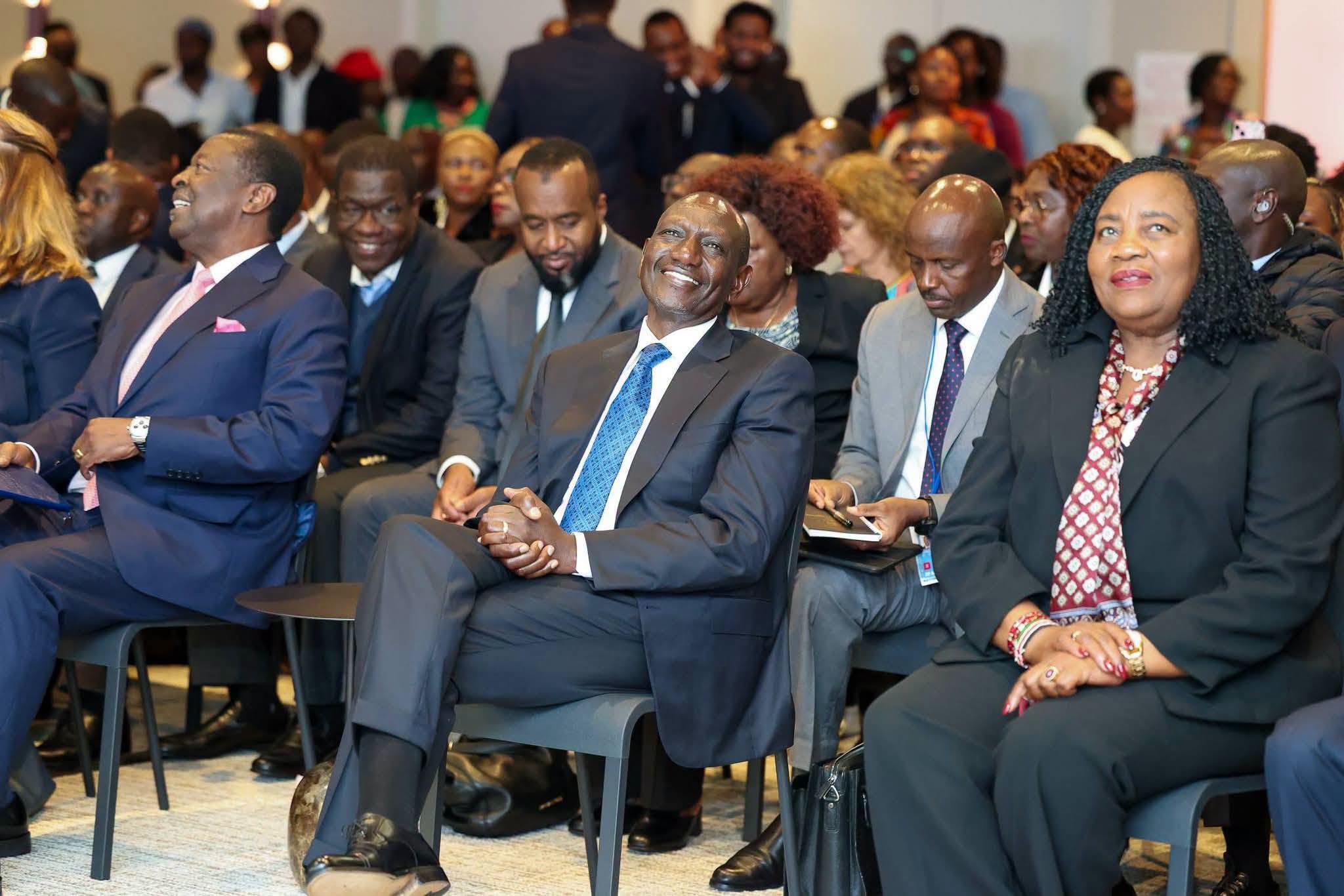
President William Ruto has arrived in New York for the 81st United Nations General Assembly (UNGA) with an agenda that puts investment, African financing and technology at the center of Kenya's international engagement. The UNGA high-level week runs from September 22 to 28 under the theme “Restoring trust, managing transformation: A United Nations that delivers for all.”

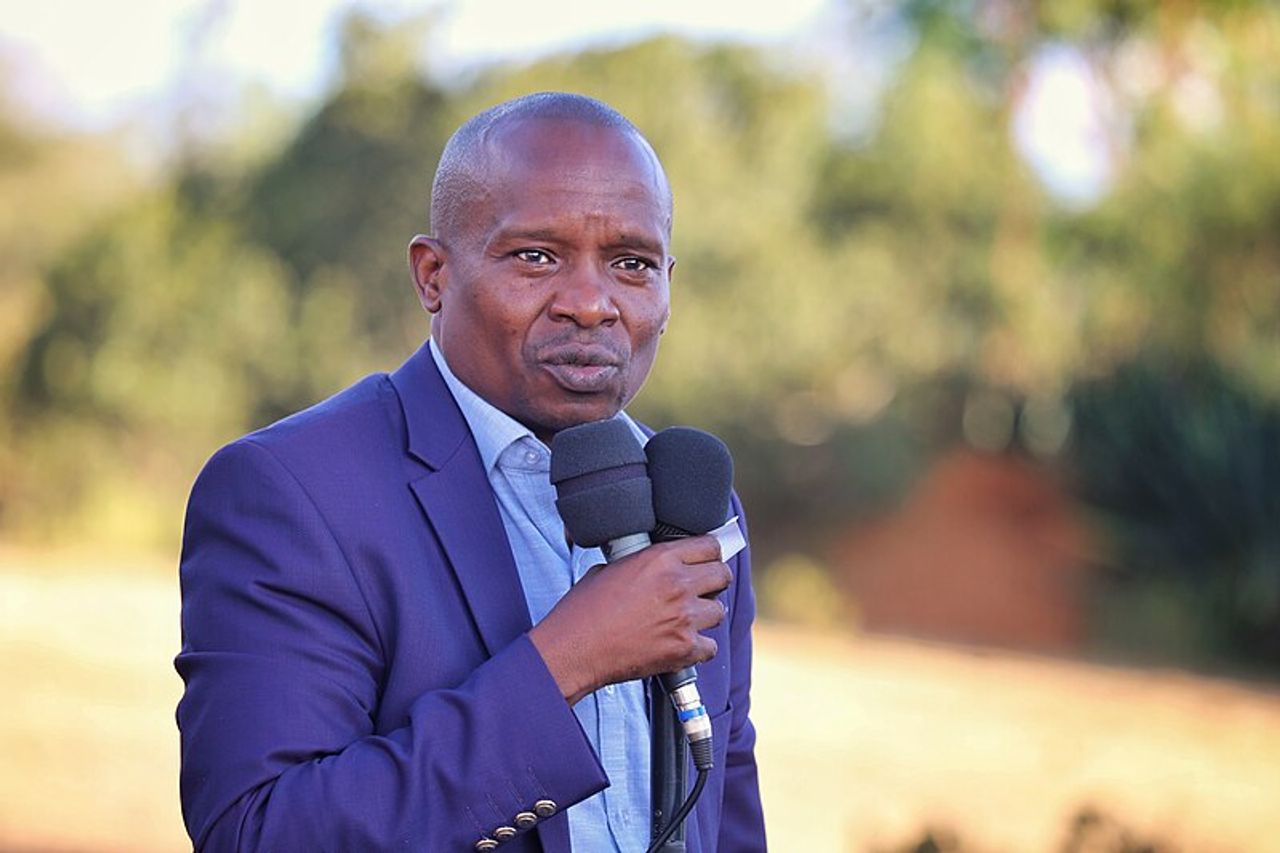
The government’s claim of timely disbursement of county funds raises a bigger question: is this merely a promise, or a constitutional obligation? While timely transfers are essential for counties to deliver services, they should not be treated as a political favour. The real test is whether funds are released consistently, managed responsibly and ultimately translated into better healthcare, roads, water, sanitation and other essential services for ordinary Kenyans.
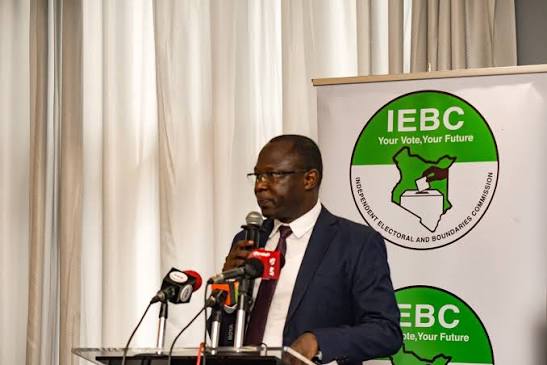
The IEBC’s February 10, 2027 resignation deadline marks a crucial turning point for public officers seeking elective positions in Kenya’s 2027 General Election. As politicians weigh leaving public service for the campaign trail, they will face party nominations, shifting alliances and voter scrutiny. For voters, however, the bigger question is whether these emerging candidates will bring meaningful solutions—or simply new faces and familiar promises.
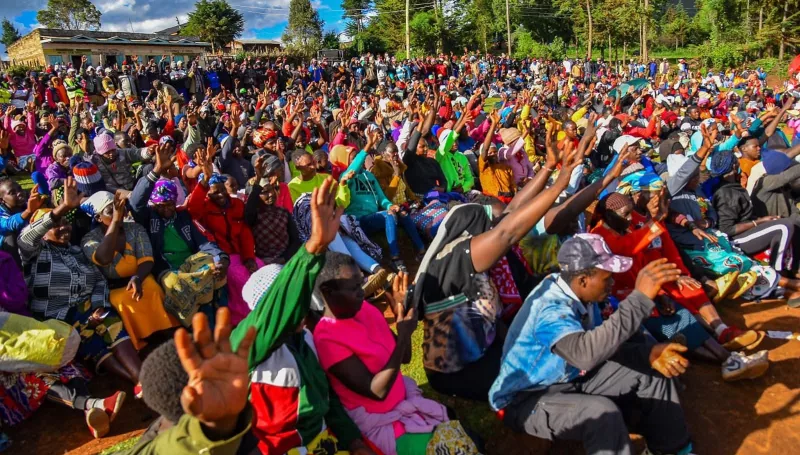
The Ol Kalou by-election may be over, and politicians may have moved on, but ordinary citizens are left to bear the consequences of electoral violence. With lives lost, families grieving, businesses disrupted and trust damaged, the real question remains: now that the politicians are gone and everything has quieted down, who is suffering?
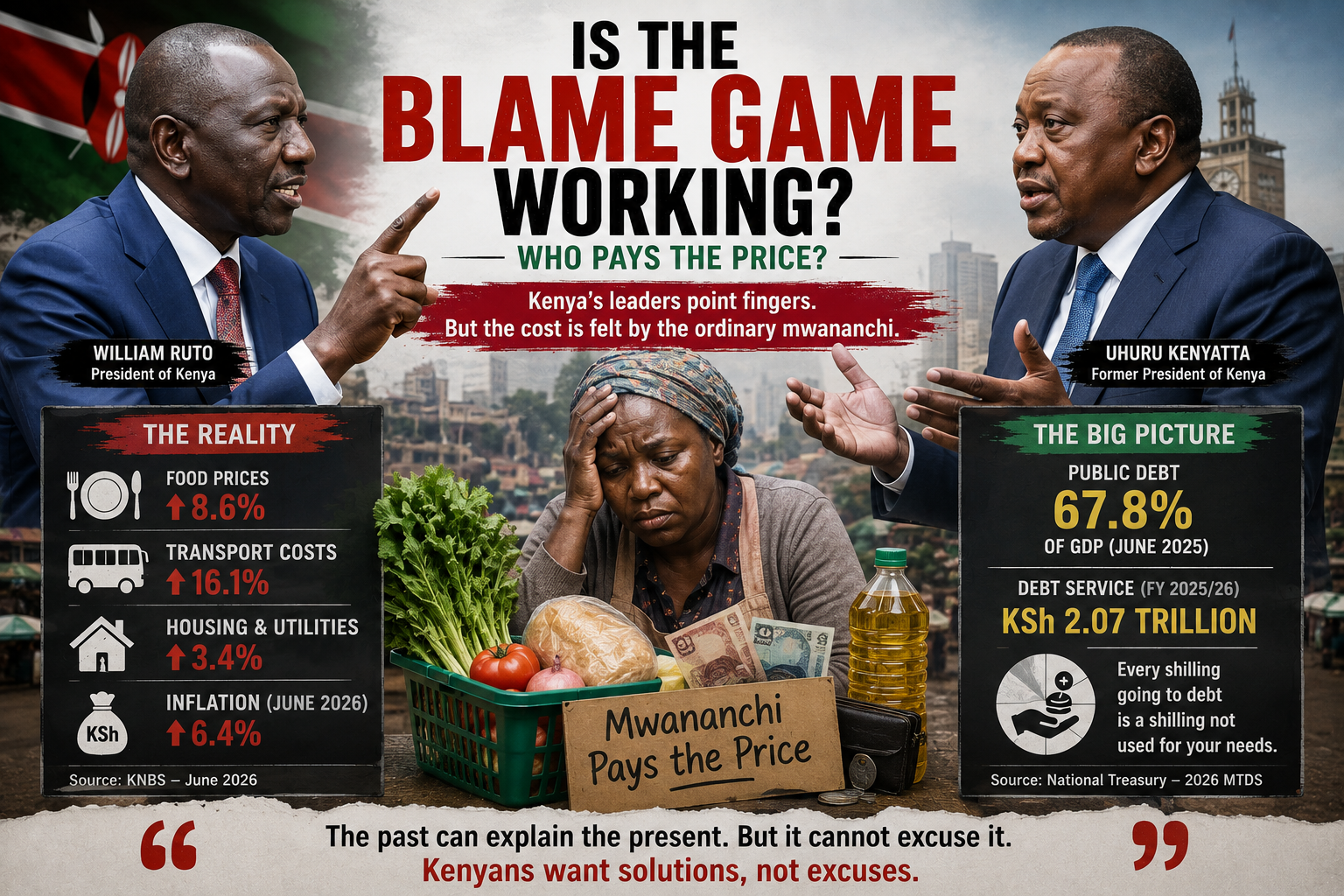
Kenya’s economic debate has increasingly become a contest over who is responsible for the country’s financial difficulties. While the Ruto administration inherited significant debt and fiscal pressures, nearly four years in office raises a different question: is the blame game still enough? With households facing pressure from food, transport, taxes and other living costs, ordinary Kenyans are increasingly interested in results rather than explanations. As 2027 approaches, the real measure of economic performance may not be political speeches or GDP figures, but whether the mwananchi can actually afford a better life.Kenya’s economic debate has increasingly become a contest over who is responsible for the country’s financial difficulties. While the Ruto administration inherited significant debt and fiscal pressures, nearly four years in office raises a different question: is the blame game still enough? With households facing pressure from food, transport, taxes and other living costs, ordinary Kenyans are increasingly interested in results rather than explanations. As 2027 approaches, the real measure of economic performance may not be political speeches or GDP figures, but whether the mwananchi can actually afford a better life.