President William Ruto's Mashujaa Day proposal to exempt workers earning KSh 32,333 or less from PAYE could increase take-home pay for low-income employees, particularly young Kenyans entering the job market. But the proposal also raises questions about government revenue, public services and whether tax relief alone can address the cost of living. This financial analysis explores the benefits, risks and practical implications for an average Kenyan worker.
Thousands gather in commemoration of Mashujaa day at the Kipchoge Keino stadium in Eldoret city.
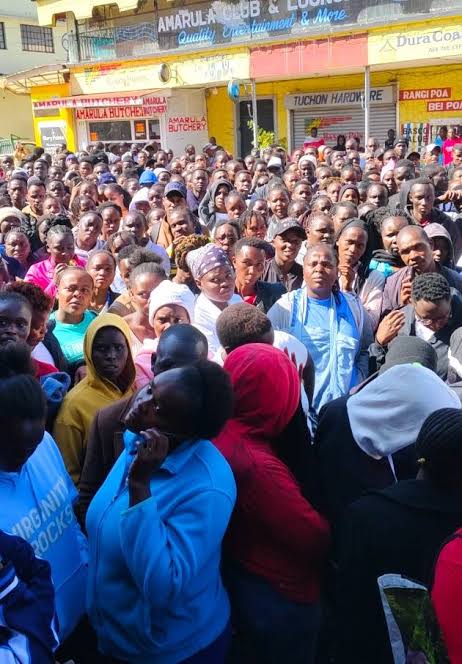
More than 2,000 youths reportedly turned up in Kericho to compete for just 10 jobs advertised by Wajosee, highlighting the intense pressure facing Kenyan job seekers. With approximately 200 applicants for every vacancy, the incident raises urgent questions about unemployment, skills development, entrepreneurship and the responsibility of government and the private sector to create sustainable employment opportunities.
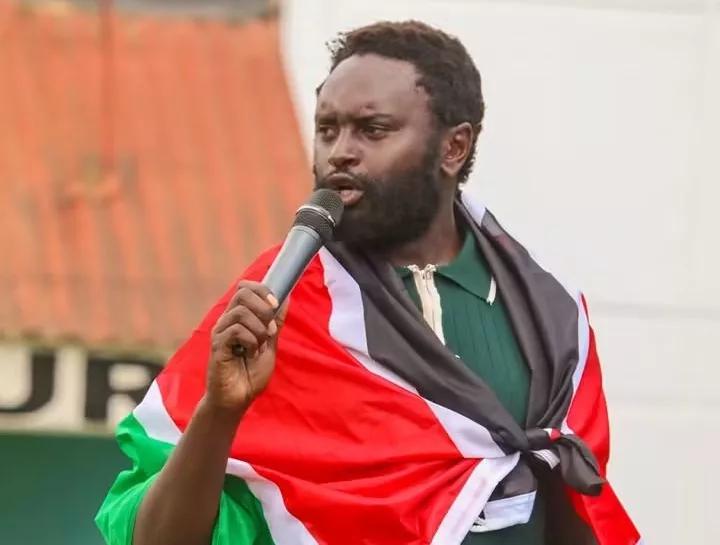
Nyandarua Senator John Methu has made explosive claims during his JKL interview, alleging that he was offered KSh 10 million weekly to establish a new political party and potentially become President William Ruto’s running mate in 2027. He claims he rejected the proposal and informed Rigathi Gachagua. Methu also questioned Ndindi Nyoro’s political direction, but Nyoro has disputed Methu’s account of their alleged meeting and urged opposition leaders to stop making accusations. The controversy raises fresh questions about political loyalty, the unity of the opposition and the battle for the Mt. Kenya vote ahead of the 2027 General Election.

Erick Omondi and Abel Mutua’s reported political ambitions following their JKL Live interview have sparked a bigger debate about celebrity politics in Kenya. After Lang’ata elected comedian Jalang’o as MP in 2022, would Kenyans give another entertainer a chance? Fame may attract voters, but effective leadership requires more than popularity. As more celebrities consider elective politics, the real question is whether they can turn their public influence into meaningful service and deliver results when the laughter stops.
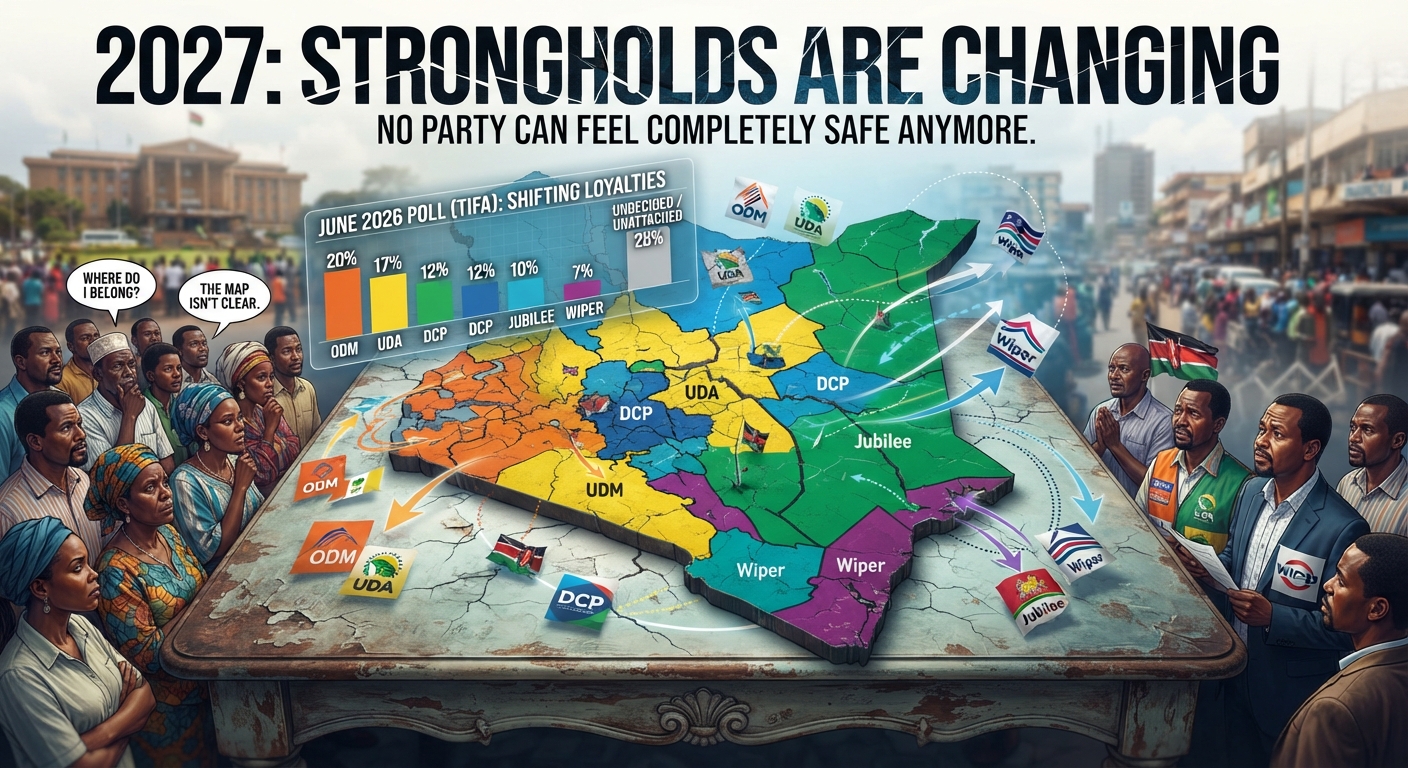
Kenya’s 2027 political landscape is becoming increasingly fluid as traditional party strongholds face new competition. From Mount Kenya and Nyanza to the Coast and Western Kenya, shifting alliances, emerging parties and voters without firm party loyalties are challenging the old political map. With a significant share of voters still undecided, no party can assume that yesterday’s stronghold will remain secure in 2027.

Nairobi will host the 2029 World Athletics Championships, making history as the first African city to stage the senior global athletics event. The milestone is an opportunity for Kenya to showcase its sporting talent, create economic opportunities, inspire young people, and invest in lasting infrastructure. But success will also depend on transparency, clean sport, youth inclusion, and sustainable planning. The world is coming to Nairobi , what will Kenya have prepared to show it?
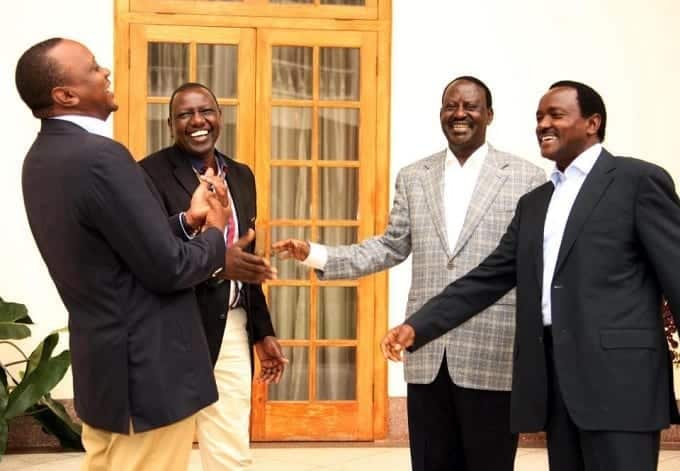
Kenya’s diversity should be a strength, but political leaders can turn ethnicity into a tool for division, loyalty and distraction. As politicians point fingers at different communities, ordinary Kenyans risk fighting each other over leaders who can later unite for political gain. The real question is not which tribe should lead, but whether our leaders are delivering, accountable and serving all Kenyans. Our problems have no tribe, perhaps it is time we stopped allowing politics to make enemies of fellow citizens.
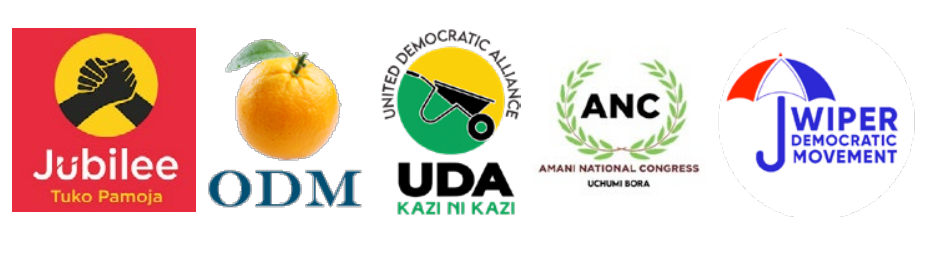
Kenya’s 2027 political realignments are raising a deeper question: do new political parties actually represent new leadership, or simply provide familiar politicians with new political vehicles? As parties merge, split and reposition themselves, voters must look beyond party names and personalities to policies, accountability, integrity and measurable results. Kenya may not need more political rebranding, it needs a political culture that prioritises governance over political survival.
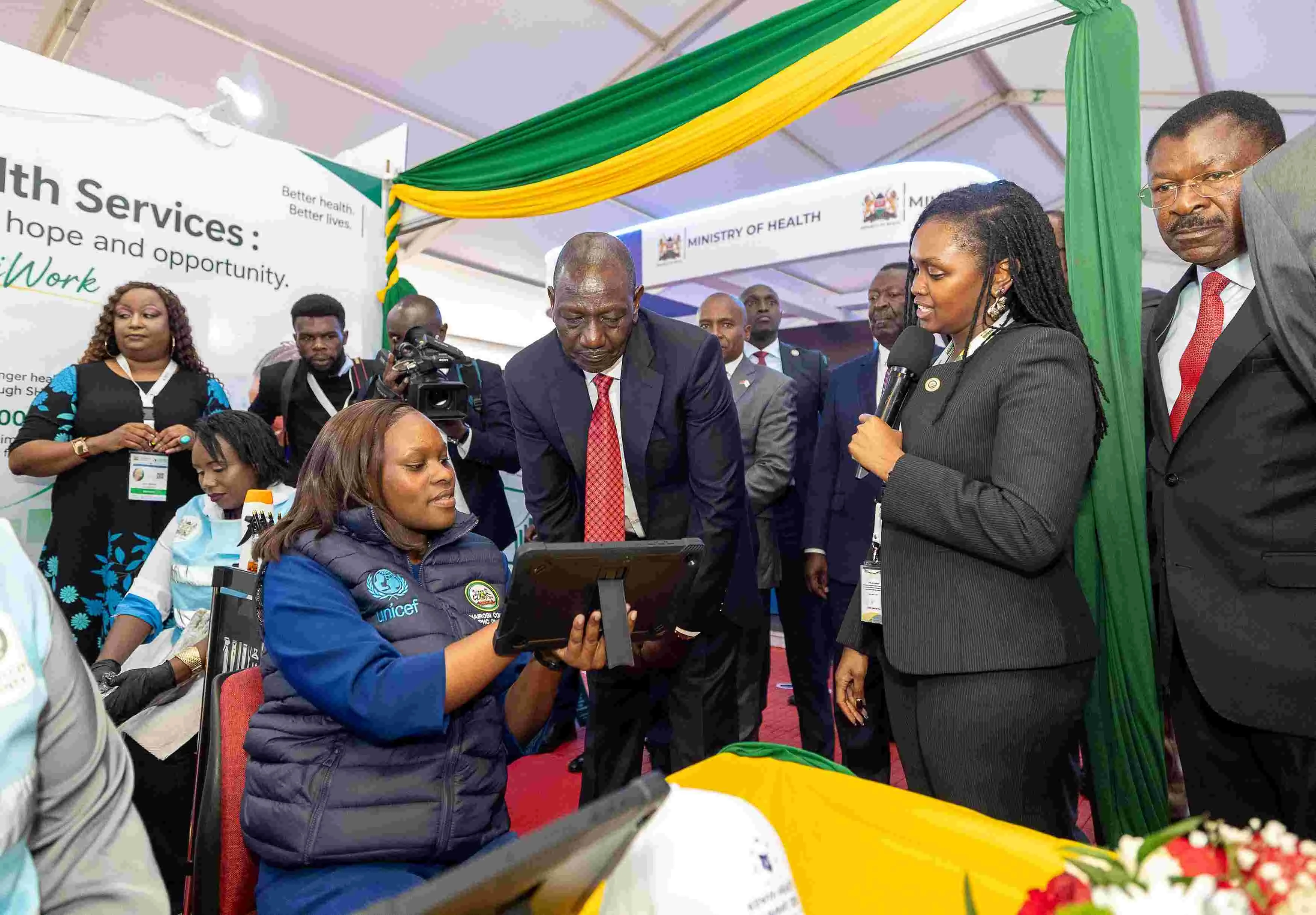
President William Ruto says SHA is transforming Kenya's healthcare system, pointing to millions of registrations, processed claims and increased access to treatment. But patients and healthcare providers continue to report system failures, delayed payments and out-of-pocket costs. So, is SHA really working? The numbers show progress, but the true test is whether an ordinary Kenyan can walk into a hospital and receive quality care without financial hardship.
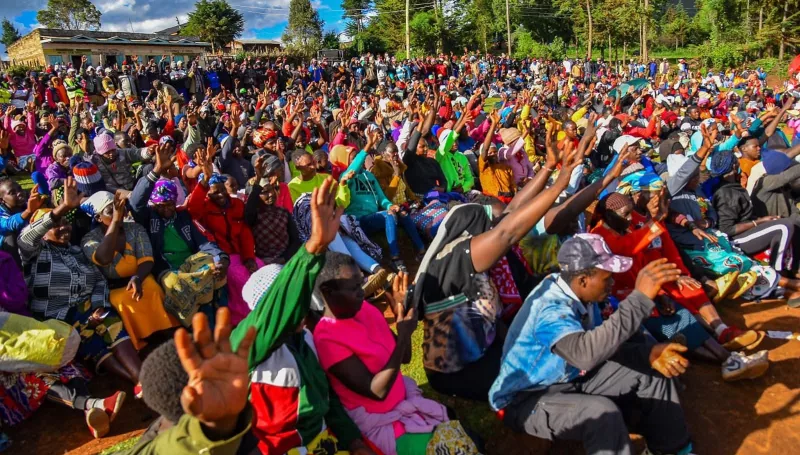
The Ol Kalou by-election may be over, and politicians may have moved on, but ordinary citizens are left to bear the consequences of electoral violence. With lives lost, families grieving, businesses disrupted and trust damaged, the real question remains: now that the politicians are gone and everything has quieted down, who is suffering?