
The reported abduction and recovery of Standard Group Associate Editor Alex Kiprotich has raised serious questions about press freedom, security and accountability in Kenya. From his reported seizure along the Gilgil–Nakuru Road to his eventual discovery near Masinga Dam, key details remain unresolved, including the identity of his abductors, the vehicle allegedly used, the motive behind the interrogation and possible links to an earlier incident in June. Kiprotich is safe, but the questions surrounding his ordeal demand an impartial, evidence-based investigation.


The heated TV47 confrontation between Esther Passaris and Jayne Kihara offers a troubling reflection of Kenya’s political culture. As the leaders debated political violence and the 2007/08 post-election crisis, their exchange descended into accusations, insults and threats. The incident raises a fundamental question ahead of 2027: Can political leaders genuinely preach peace and restraint if they cannot demonstrate it themselves?
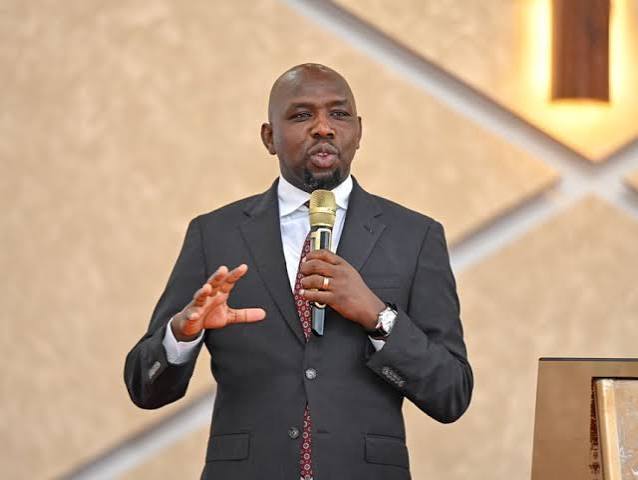
Interior CS Kipchumba Murkomen is facing growing scrutiny over his recent remarks and the handling of political violence and public security in Kenya. While one statement alone does not determine his fitness for office, his leadership will increasingly be judged by whether security agencies act impartially, whether political violence is confronted regardless of who is responsible, and whether Kenyans can trust the Interior Ministry as the country approaches the 2027 General Election.
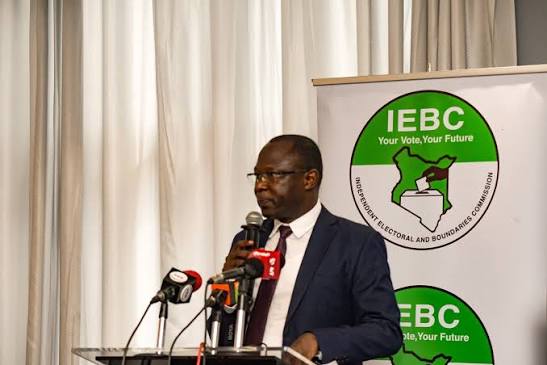
The IEBC’s February 10, 2027 resignation deadline marks a crucial turning point for public officers seeking elective positions in Kenya’s 2027 General Election. As politicians weigh leaving public service for the campaign trail, they will face party nominations, shifting alliances and voter scrutiny. For voters, however, the bigger question is whether these emerging candidates will bring meaningful solutions—or simply new faces and familiar promises.
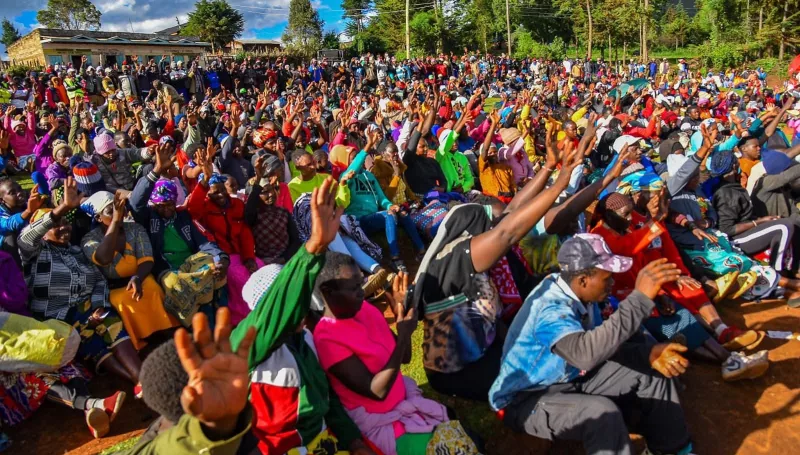
The Ol Kalou by-election may be over, and politicians may have moved on, but ordinary citizens are left to bear the consequences of electoral violence. With lives lost, families grieving, businesses disrupted and trust damaged, the real question remains: now that the politicians are gone and everything has quieted down, who is suffering?
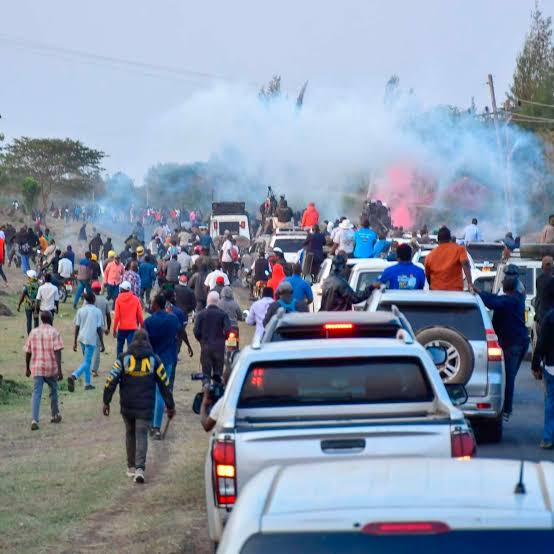
Violence that erupted during the Linda Mwananchi rally in Homa Bay has left a troubling trail of injuries, destruction and arrests. Police have arrested 37 suspects and recovered crude weapons, while a police officer was killed and several others injured. The incident raises serious questions about political tolerance, security preparedness and the growing danger of violence ahead of the 2027 elections.