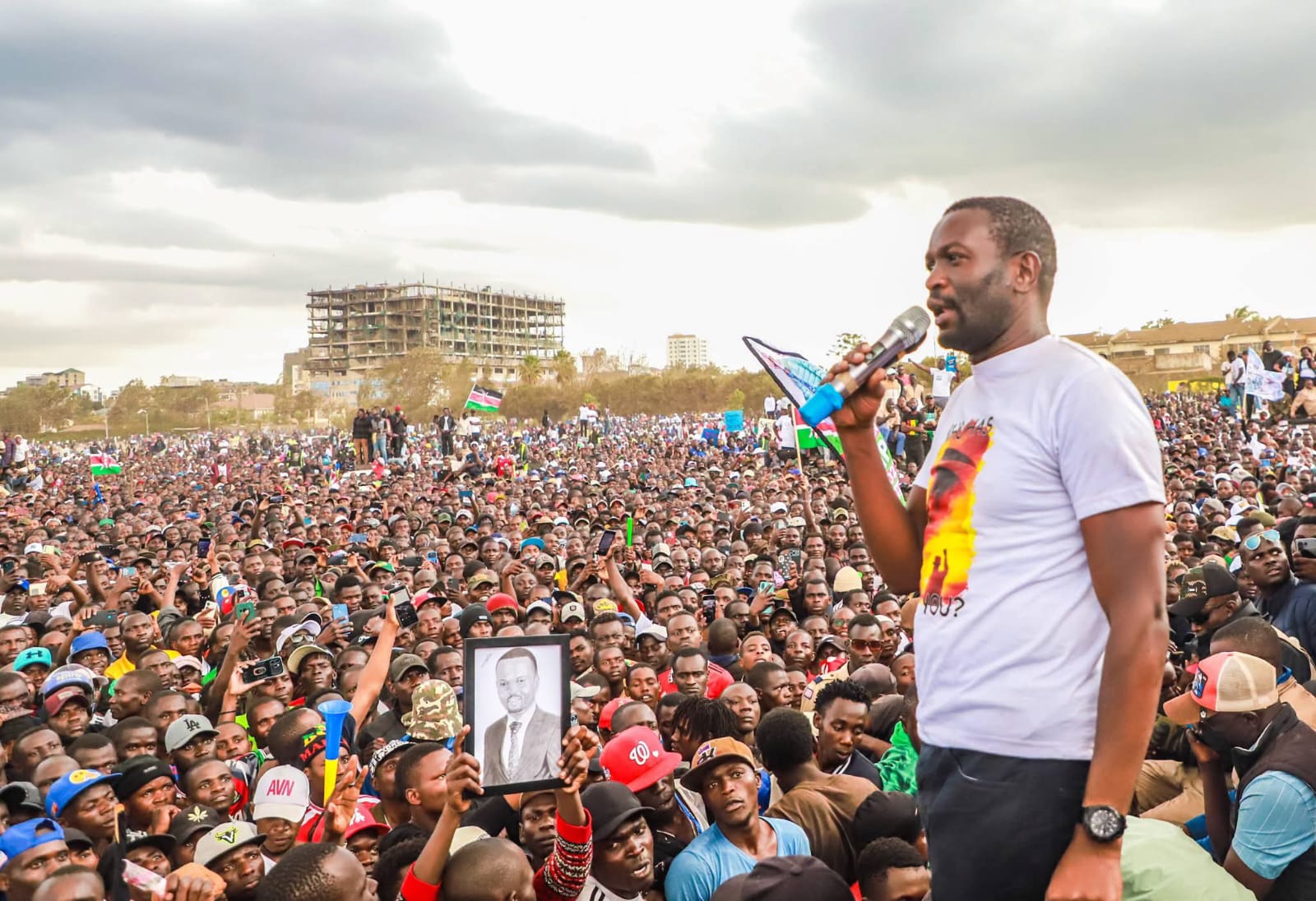
Thousands of supporters thronged Jacaranda Grounds in Nairobi as Edwin Sifuna and fellow principals of the Linda Mwananchi movement delivered their most dominant political mobilization since the movement's formation, demonstrating growing grassroots support for a leader who has increasingly shown his readiness to challenge the incumbent president.

The reported abduction and recovery of Standard Group Associate Editor Alex Kiprotich has raised serious questions about press freedom, security and accountability in Kenya. From his reported seizure along the Gilgil–Nakuru Road to his eventual discovery near Masinga Dam, key details remain unresolved, including the identity of his abductors, the vehicle allegedly used, the motive behind the interrogation and possible links to an earlier incident in June. Kiprotich is safe, but the questions surrounding his ordeal demand an impartial, evidence-based investigation.
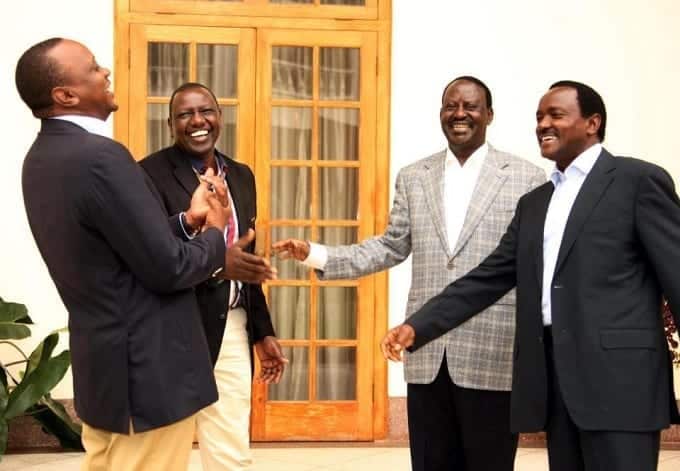
Kenya’s diversity should be a strength, but political leaders can turn ethnicity into a tool for division, loyalty and distraction. As politicians point fingers at different communities, ordinary Kenyans risk fighting each other over leaders who can later unite for political gain. The real question is not which tribe should lead, but whether our leaders are delivering, accountable and serving all Kenyans. Our problems have no tribe, perhaps it is time we stopped allowing politics to make enemies of fellow citizens.

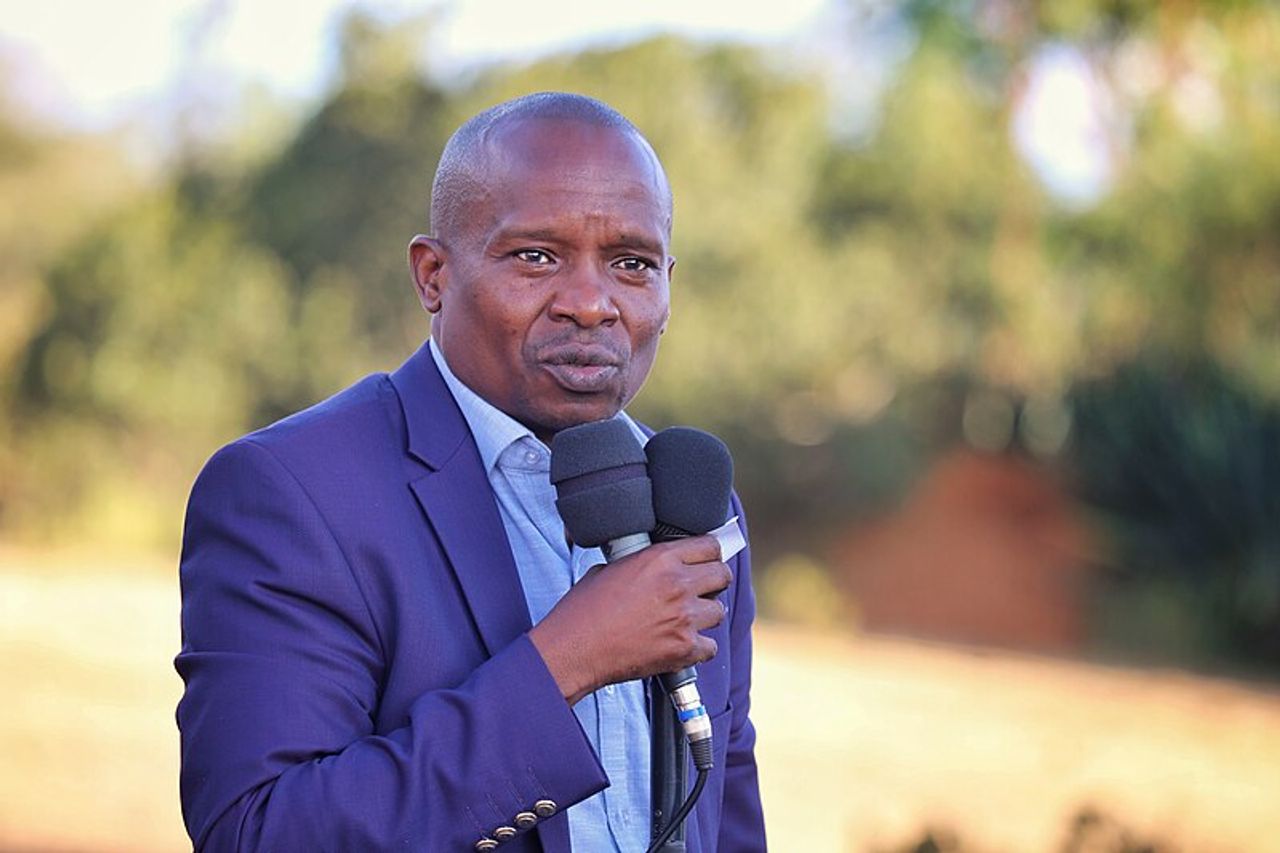
The government’s claim of timely disbursement of county funds raises a bigger question: is this merely a promise, or a constitutional obligation? While timely transfers are essential for counties to deliver services, they should not be treated as a political favour. The real test is whether funds are released consistently, managed responsibly and ultimately translated into better healthcare, roads, water, sanitation and other essential services for ordinary Kenyans.

The heated TV47 confrontation between Esther Passaris and Jayne Kihara offers a troubling reflection of Kenya’s political culture. As the leaders debated political violence and the 2007/08 post-election crisis, their exchange descended into accusations, insults and threats. The incident raises a fundamental question ahead of 2027: Can political leaders genuinely preach peace and restraint if they cannot demonstrate it themselves?
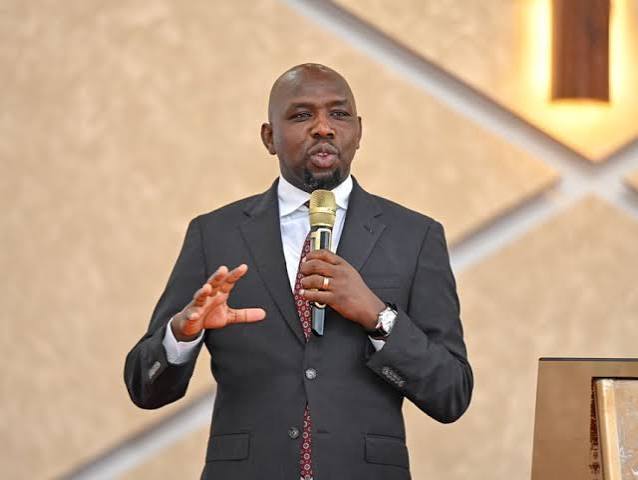
Interior CS Kipchumba Murkomen is facing growing scrutiny over his recent remarks and the handling of political violence and public security in Kenya. While one statement alone does not determine his fitness for office, his leadership will increasingly be judged by whether security agencies act impartially, whether political violence is confronted regardless of who is responsible, and whether Kenyans can trust the Interior Ministry as the country approaches the 2027 General Election.
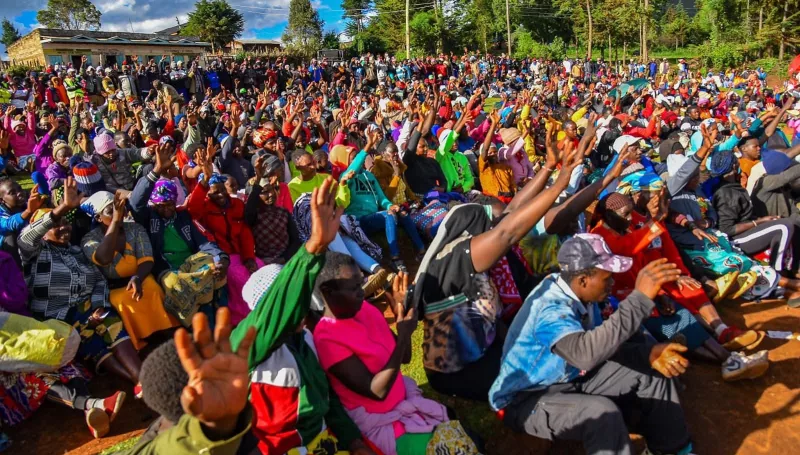
The Ol Kalou by-election may be over, and politicians may have moved on, but ordinary citizens are left to bear the consequences of electoral violence. With lives lost, families grieving, businesses disrupted and trust damaged, the real question remains: now that the politicians are gone and everything has quieted down, who is suffering?
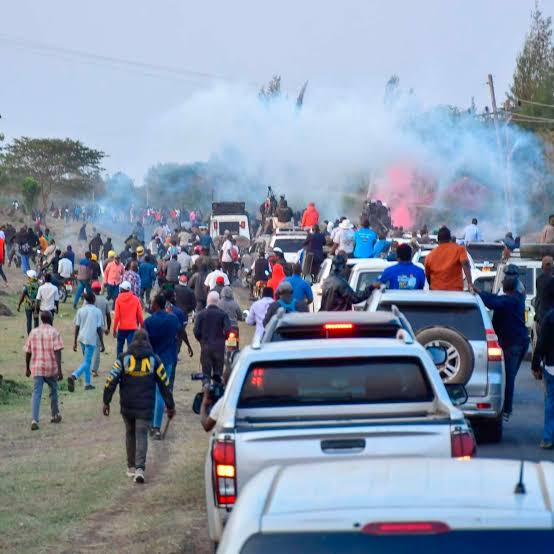
Violence that erupted during the Linda Mwananchi rally in Homa Bay has left a troubling trail of injuries, destruction and arrests. Police have arrested 37 suspects and recovered crude weapons, while a police officer was killed and several others injured. The incident raises serious questions about political tolerance, security preparedness and the growing danger of violence ahead of the 2027 elections.

Ndindi Nyoro’s decision to leave UDA and join the People’s Party of Kenya marks a significant shift in Kenya’s political landscape ahead of the 2027 General Election. Once a prominent defender of President William Ruto’s administration, Nyoro is now aligning himself with the opposition. His move raises questions about his political ambitions, the future of UDA’s support base, and whether he could influence the emerging battle for Central Kenya and beyond.

Kakamega Senator Dr. Boni Khalwale is mourning the sudden death of his wife, Gloria Sekeiyan Khalwale, who reportedly passed away after collapsing from a heart attack. Gloria was a mother of eight and largely kept her life away from the political spotlight. We extend our deepest condolences to Senator Khalwale, her children, family, friends and the people of Kakamega during this difficult time. May her soul rest in peace.
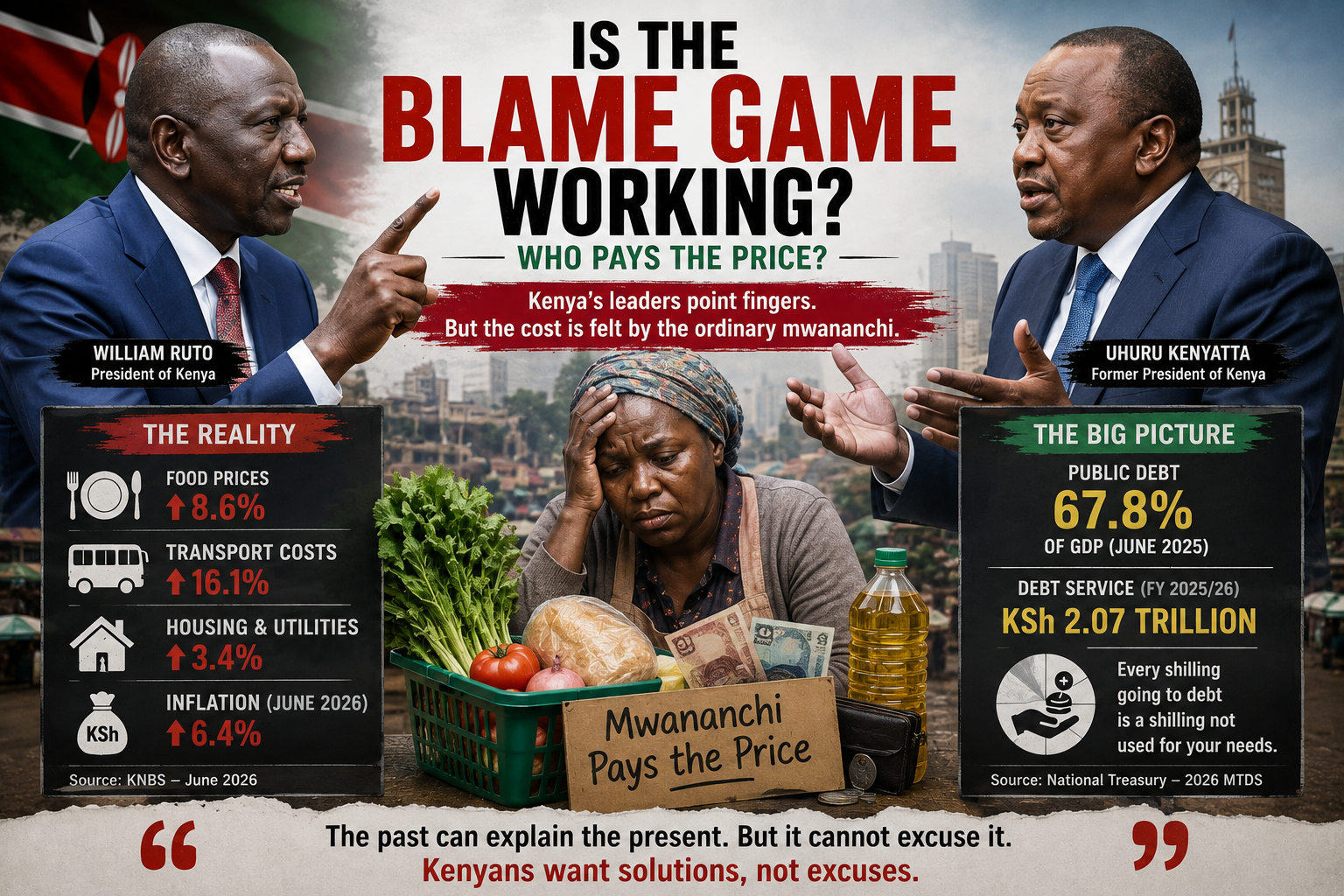
Kenya’s economic debate has increasingly become a contest over who is responsible for the country’s financial difficulties. While the Ruto administration inherited significant debt and fiscal pressures, nearly four years in office raises a different question: is the blame game still enough? With households facing pressure from food, transport, taxes and other living costs, ordinary Kenyans are increasingly interested in results rather than explanations. As 2027 approaches, the real measure of economic performance may not be political speeches or GDP figures, but whether the mwananchi can actually afford a better life.Kenya’s economic debate has increasingly become a contest over who is responsible for the country’s financial difficulties. While the Ruto administration inherited significant debt and fiscal pressures, nearly four years in office raises a different question: is the blame game still enough? With households facing pressure from food, transport, taxes and other living costs, ordinary Kenyans are increasingly interested in results rather than explanations. As 2027 approaches, the real measure of economic performance may not be political speeches or GDP figures, but whether the mwananchi can actually afford a better life.