
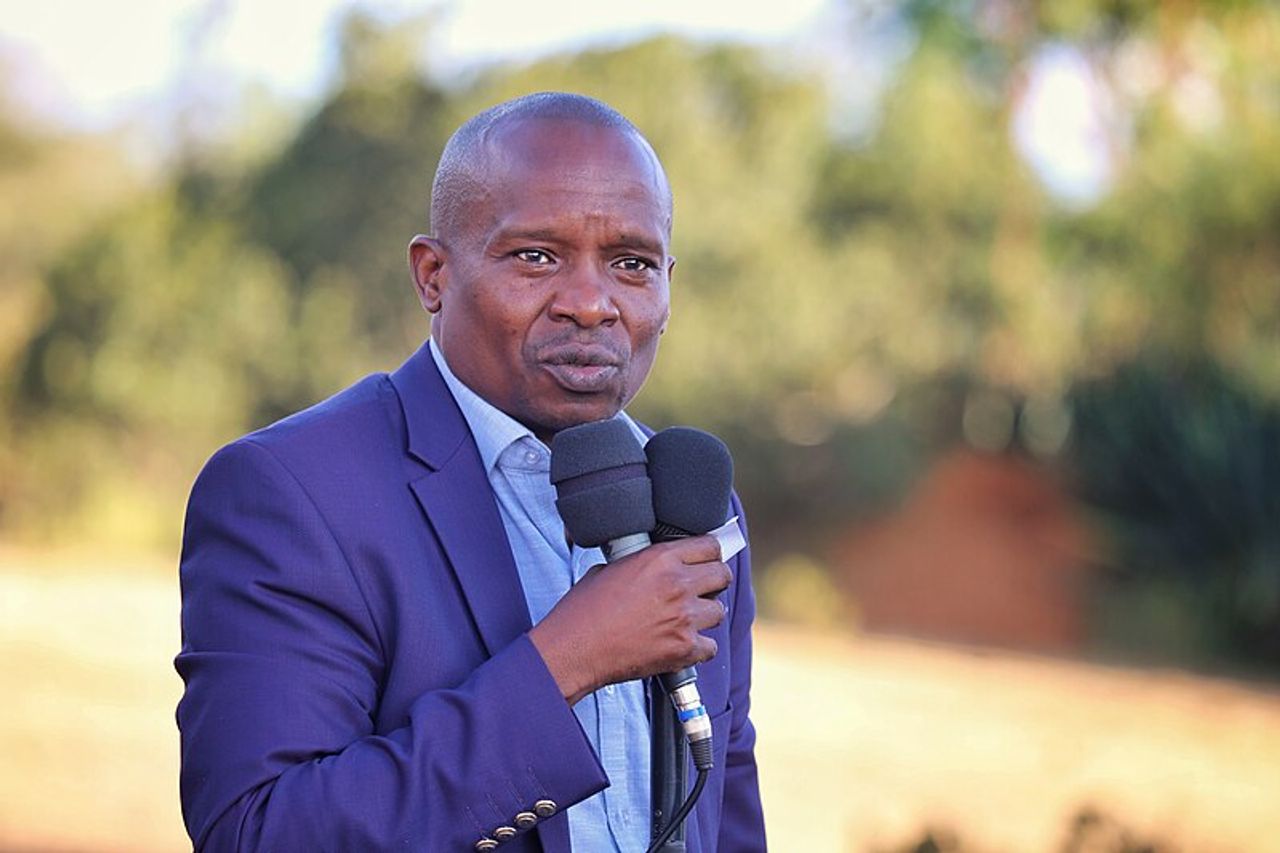
The government’s claim of timely disbursement of county funds raises a bigger question: is this merely a promise, or a constitutional obligation? While timely transfers are essential for counties to deliver services, they should not be treated as a political favour. The real test is whether funds are released consistently, managed responsibly and ultimately translated into better healthcare, roads, water, sanitation and other essential services for ordinary Kenyans.
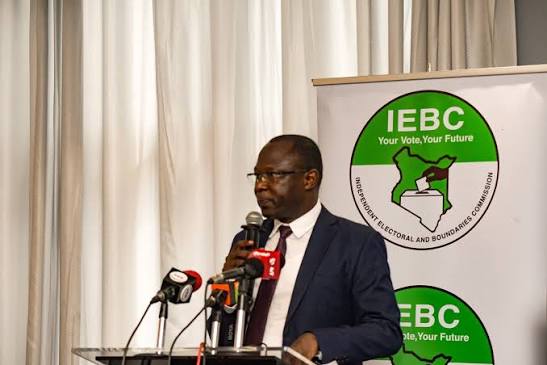
The IEBC’s February 10, 2027 resignation deadline marks a crucial turning point for public officers seeking elective positions in Kenya’s 2027 General Election. As politicians weigh leaving public service for the campaign trail, they will face party nominations, shifting alliances and voter scrutiny. For voters, however, the bigger question is whether these emerging candidates will bring meaningful solutions—or simply new faces and familiar promises.
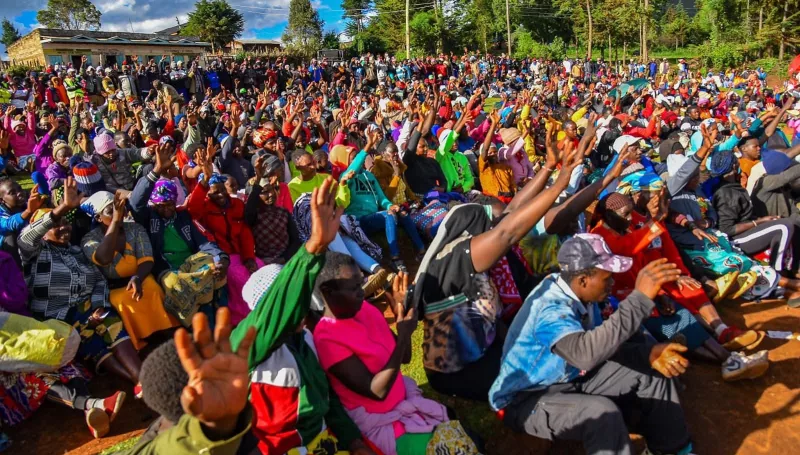
The Ol Kalou by-election may be over, and politicians may have moved on, but ordinary citizens are left to bear the consequences of electoral violence. With lives lost, families grieving, businesses disrupted and trust damaged, the real question remains: now that the politicians are gone and everything has quieted down, who is suffering?
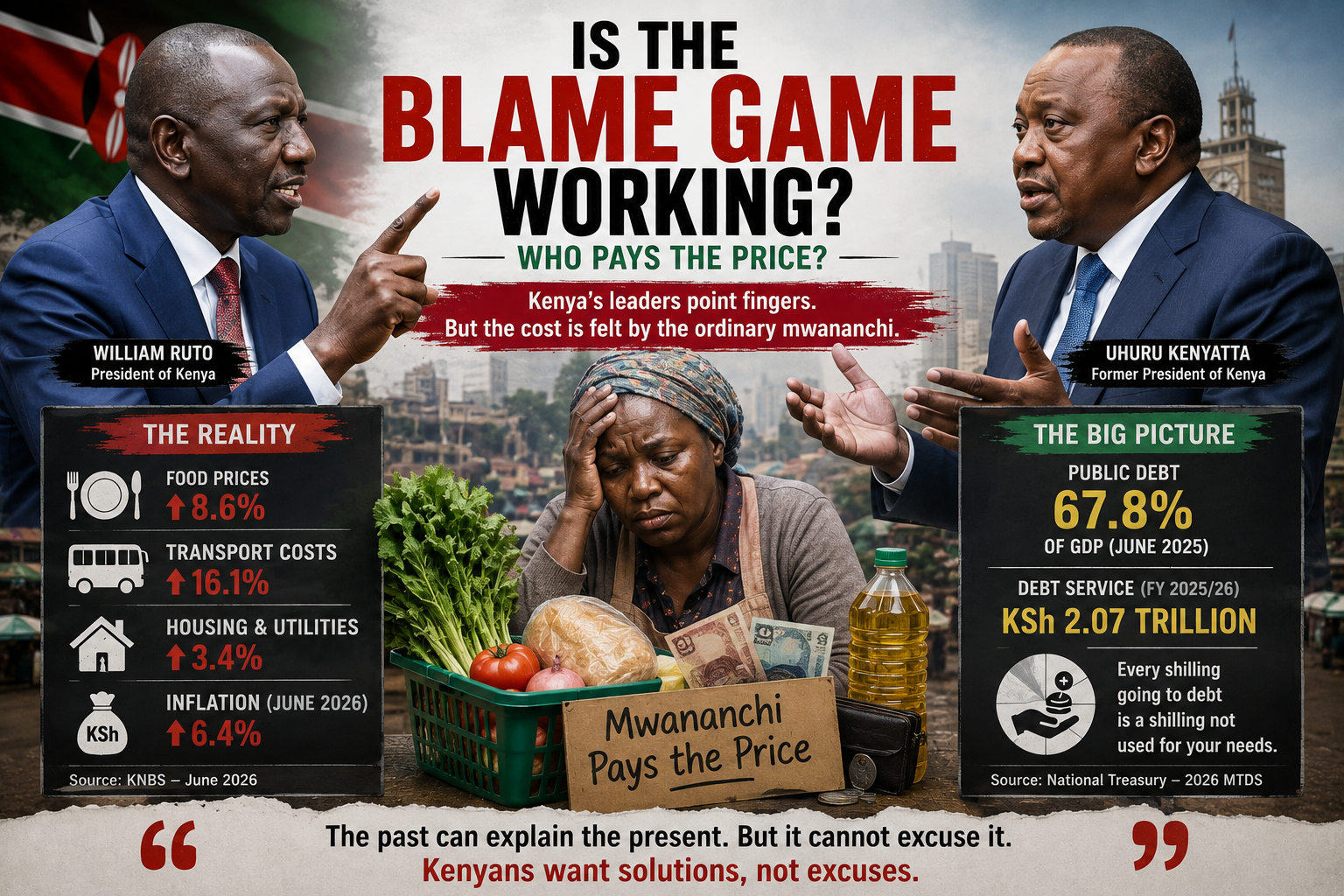
Kenya’s economic debate has increasingly become a contest over who is responsible for the country’s financial difficulties. While the Ruto administration inherited significant debt and fiscal pressures, nearly four years in office raises a different question: is the blame game still enough? With households facing pressure from food, transport, taxes and other living costs, ordinary Kenyans are increasingly interested in results rather than explanations. As 2027 approaches, the real measure of economic performance may not be political speeches or GDP figures, but whether the mwananchi can actually afford a better life.Kenya’s economic debate has increasingly become a contest over who is responsible for the country’s financial difficulties. While the Ruto administration inherited significant debt and fiscal pressures, nearly four years in office raises a different question: is the blame game still enough? With households facing pressure from food, transport, taxes and other living costs, ordinary Kenyans are increasingly interested in results rather than explanations. As 2027 approaches, the real measure of economic performance may not be political speeches or GDP figures, but whether the mwananchi can actually afford a better life.
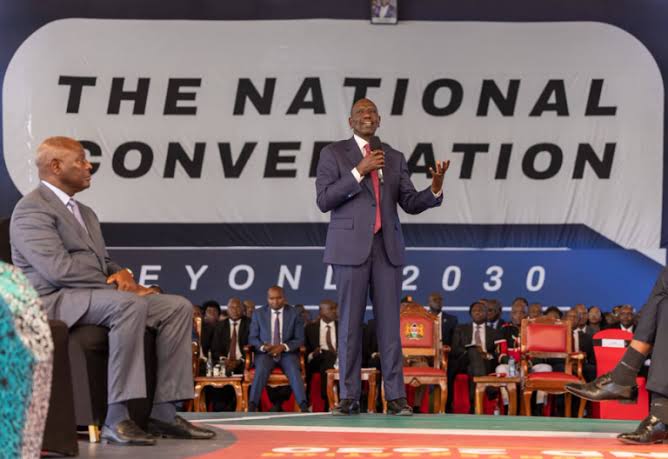
President William Ruto’s push for a Kenya Vision 2060 has opened an important national conversation about the country’s long-term future. While the initiative seeks to move development planning beyond election cycles, questions remain about public participation, political neutrality and implementation. A successful Vision 2060 will ultimately depend not only on the ambition of the plan, but on whether it becomes a genuinely national framework capable of surviving successive governments and addressing both today’s challenges and tomorrow’s needs.