
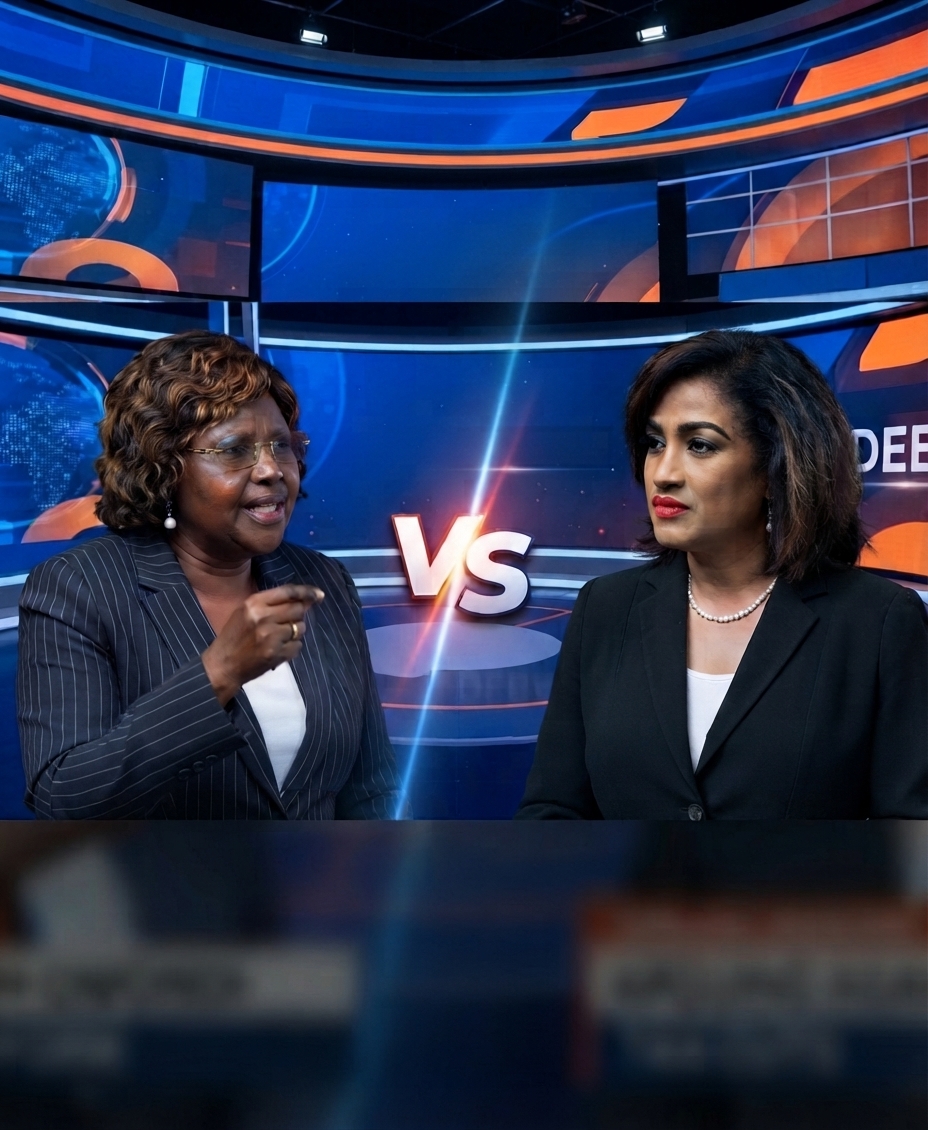
The heated TV47 confrontation between Esther Passaris and Jayne Kihara offers a troubling reflection of Kenya’s political culture. As the leaders debated political violence and the 2007/08 post-election crisis, their exchange descended into accusations, insults and threats. The incident raises a fundamental question ahead of 2027: Can political leaders genuinely preach peace and restraint if they cannot demonstrate it themselves?
Kenya’s 2027 political realignments are raising a deeper question: do new political parties actually represent new leadership, or simply provide familiar politicians with new political vehicles? As parties merge, split and reposition themselves, voters must look beyond party names and personalities to policies, accountability, integrity and measurable results. Kenya may not need more political rebranding, it needs a political culture that prioritises governance over political survival.
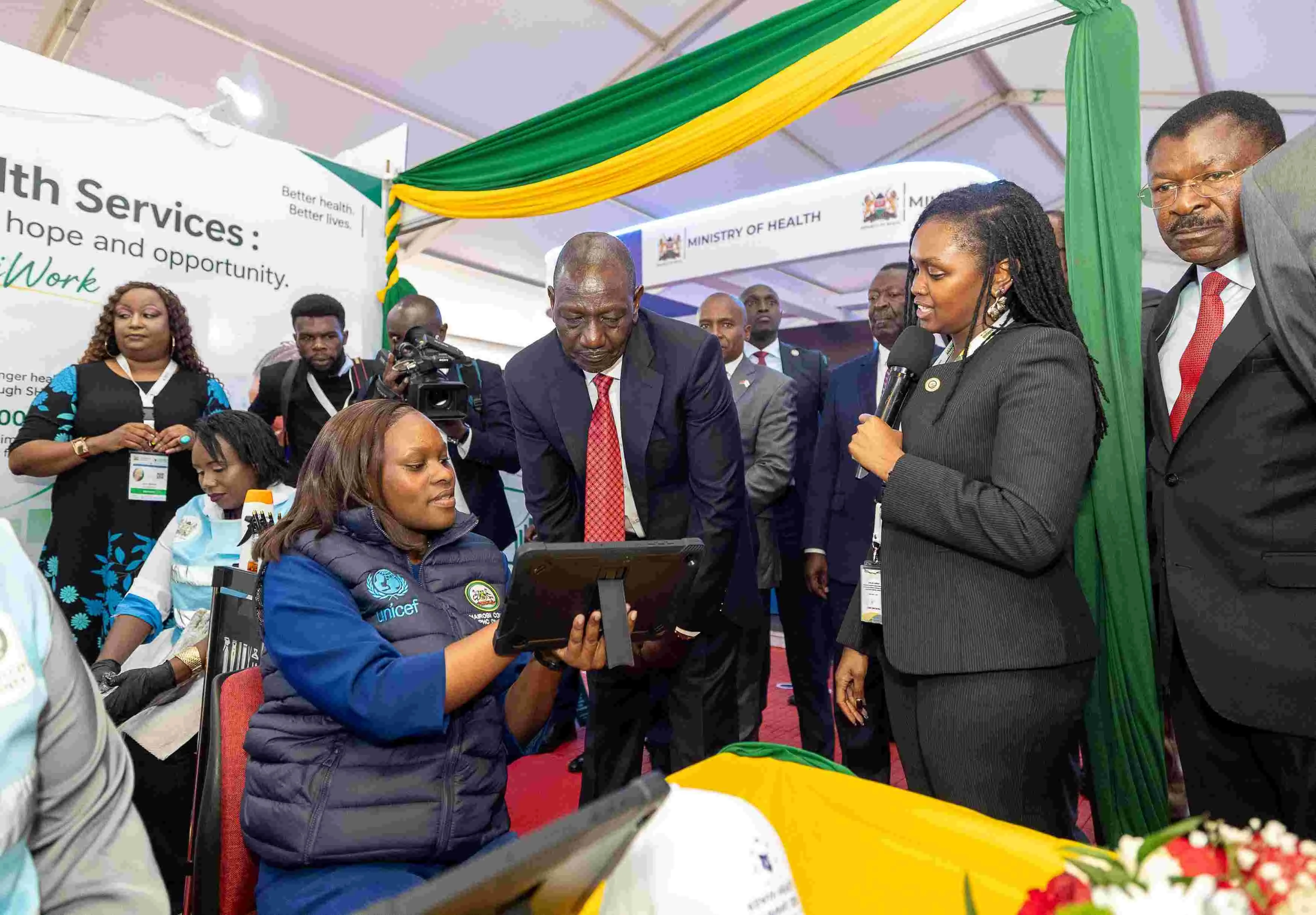
President William Ruto says SHA is transforming Kenya's healthcare system, pointing to millions of registrations, processed claims and increased access to treatment. But patients and healthcare providers continue to report system failures, delayed payments and out-of-pocket costs. So, is SHA really working? The numbers show progress, but the true test is whether an ordinary Kenyan can walk into a hospital and receive quality care without financial hardship.
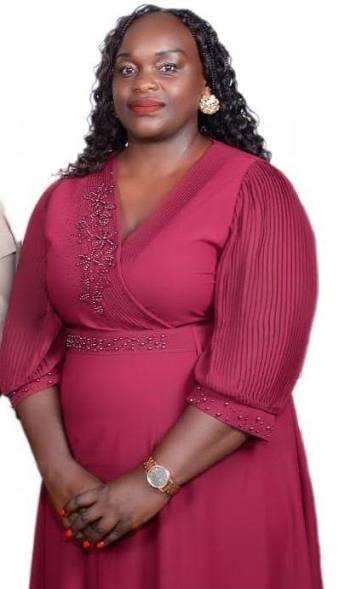
Kakamega Senator Dr. Boni Khalwale is mourning the sudden death of his wife, Gloria Sekeiyan Khalwale, who reportedly passed away after collapsing from a heart attack. Gloria was a mother of eight and largely kept her life away from the political spotlight. We extend our deepest condolences to Senator Khalwale, her children, family, friends and the people of Kakamega during this difficult time. May her soul rest in peace.

Former Deputy President Rigathi Gachagua’s controversial claim that “women traitors are worse than men traitors” has sparked a wider debate about gender, political loyalty and who gets to define betrayal. While Gachagua insists his criticism targets political “traitors” rather than women, the remark raises an important question: should political betrayal be judged by gender or by the consequences of a leader’s actions? As Kenya heads toward 2027, the dispute involving Anne Waiguru, Susan Kihika and Cecily Mbarire reflects a much deeper battle over political influence, community interests and who gets to speak for Mt Kenya.

The murder of Dr Victoria Nthunya Mutiso has taken a dramatic political turn after former Deputy President Rigathi Gachagua accused the DCI of covering up alleged police involvement, only for investigators to claim that Gachagua had communicated with people considered persons of interest. With serving police officers allegedly linked to the killing, questions are mounting: is Gachagua being politically targeted, or does he know more about the murder than he is revealing? The evidence remains inconclusive, leaving one crucial question unanswered — who ordered Dr Mutiso's killing, and why?