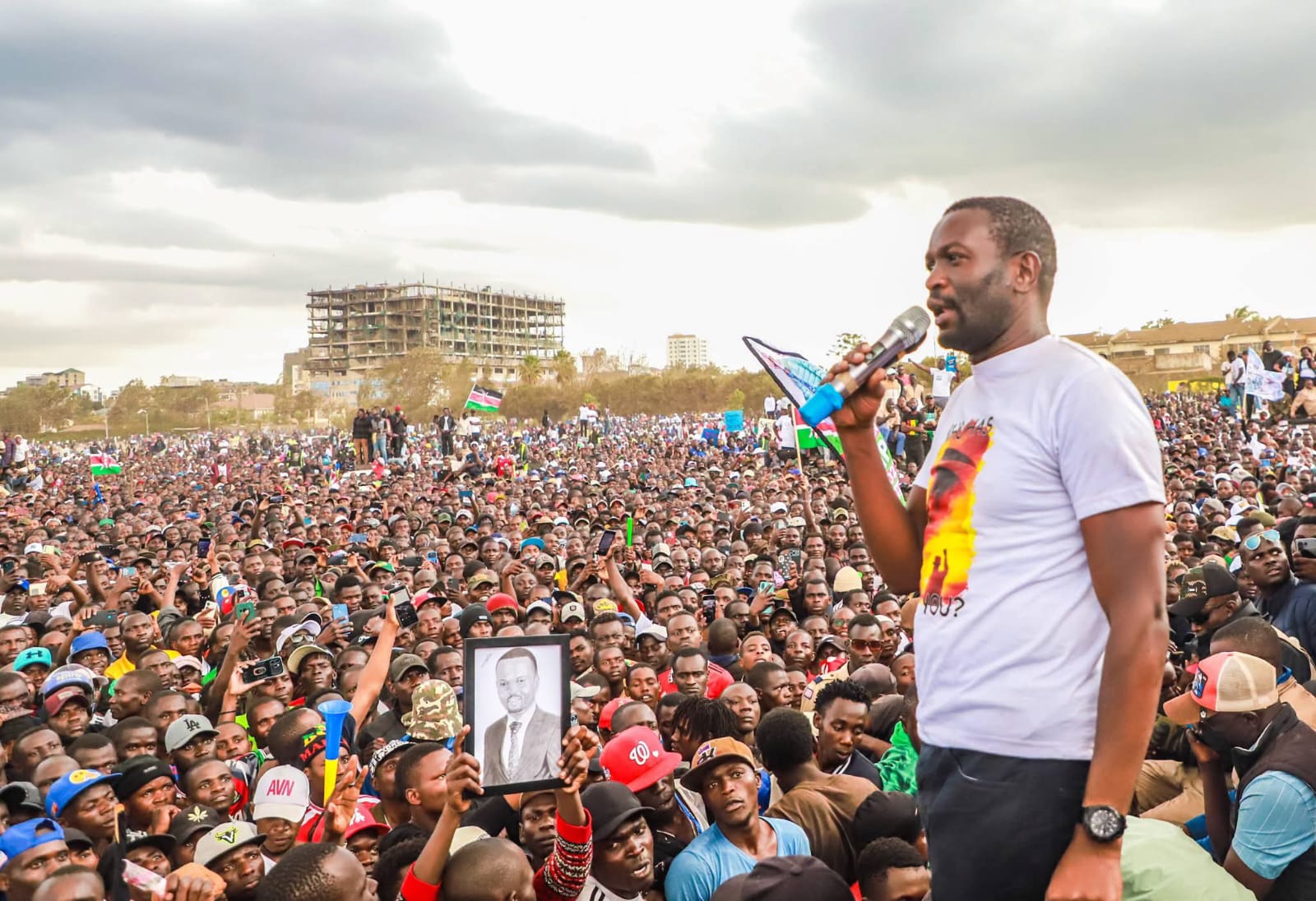
Thousands of supporters thronged Jacaranda Grounds in Nairobi as Edwin Sifuna and fellow principals of the Linda Mwananchi movement delivered their most dominant political mobilization since the movement's formation, demonstrating growing grassroots support for a leader who has increasingly shown his readiness to challenge the incumbent president.

The reported abduction and recovery of Standard Group Associate Editor Alex Kiprotich has raised serious questions about press freedom, security and accountability in Kenya. From his reported seizure along the Gilgil–Nakuru Road to his eventual discovery near Masinga Dam, key details remain unresolved, including the identity of his abductors, the vehicle allegedly used, the motive behind the interrogation and possible links to an earlier incident in June. Kiprotich is safe, but the questions surrounding his ordeal demand an impartial, evidence-based investigation.

Kenya’s diversity should be a strength, but political leaders can turn ethnicity into a tool for division, loyalty and distraction. As politicians point fingers at different communities, ordinary Kenyans risk fighting each other over leaders who can later unite for political gain. The real question is not which tribe should lead, but whether our leaders are delivering, accountable and serving all Kenyans. Our problems have no tribe, perhaps it is time we stopped allowing politics to make enemies of fellow citizens.

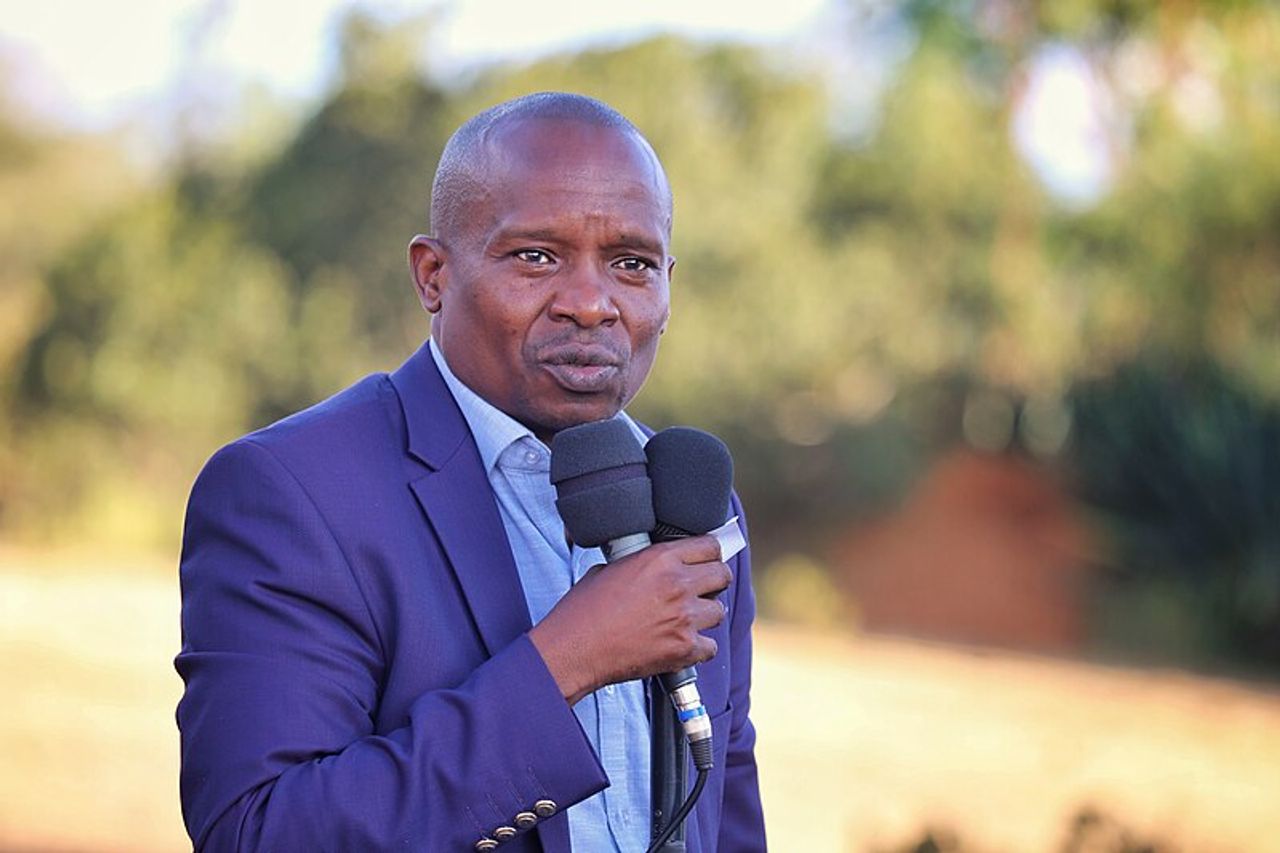
The government’s claim of timely disbursement of county funds raises a bigger question: is this merely a promise, or a constitutional obligation? While timely transfers are essential for counties to deliver services, they should not be treated as a political favour. The real test is whether funds are released consistently, managed responsibly and ultimately translated into better healthcare, roads, water, sanitation and other essential services for ordinary Kenyans.

The heated TV47 confrontation between Esther Passaris and Jayne Kihara offers a troubling reflection of Kenya’s political culture. As the leaders debated political violence and the 2007/08 post-election crisis, their exchange descended into accusations, insults and threats. The incident raises a fundamental question ahead of 2027: Can political leaders genuinely preach peace and restraint if they cannot demonstrate it themselves?
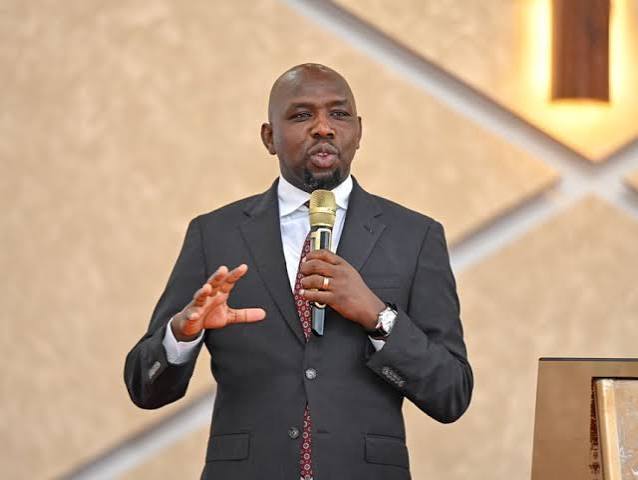
Interior CS Kipchumba Murkomen is facing growing scrutiny over his recent remarks and the handling of political violence and public security in Kenya. While one statement alone does not determine his fitness for office, his leadership will increasingly be judged by whether security agencies act impartially, whether political violence is confronted regardless of who is responsible, and whether Kenyans can trust the Interior Ministry as the country approaches the 2027 General Election.

Kenya’s 2027 political realignments are raising a deeper question: do new political parties actually represent new leadership, or simply provide familiar politicians with new political vehicles? As parties merge, split and reposition themselves, voters must look beyond party names and personalities to policies, accountability, integrity and measurable results. Kenya may not need more political rebranding, it needs a political culture that prioritises governance over political survival.

The IEBC’s February 10, 2027 resignation deadline marks a crucial turning point for public officers seeking elective positions in Kenya’s 2027 General Election. As politicians weigh leaving public service for the campaign trail, they will face party nominations, shifting alliances and voter scrutiny. For voters, however, the bigger question is whether these emerging candidates will bring meaningful solutions—or simply new faces and familiar promises.
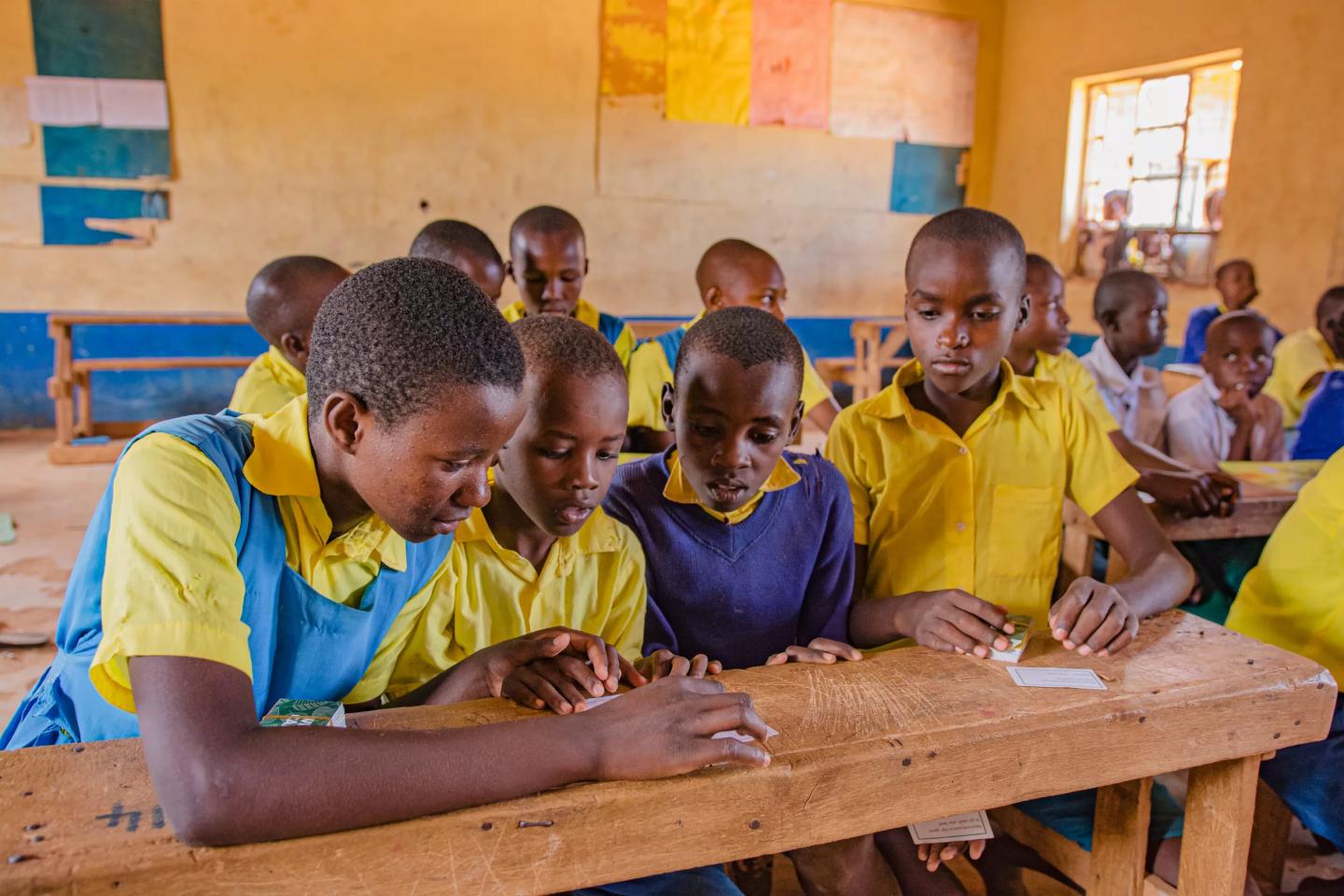
As Kenyan schools prepare to reopen for Term Three on August 24, new regulations on school hours, supervision and student welfare are intended to prevent a repeat of last term’s unrest, which affected more than 200 schools. But tighter rules alone may not be enough. The real test will be whether schools address the underlying causes of student frustration including academic pressure, living conditions, discipline and lack of meaningful communication. Term Three will reveal whether Kenya is creating genuinely safer schools or simply quieter ones.

A luxury safari flight in northern Kenya ended in tragedy after a Eurocopter EC130 B4 helicopter crashed near Mount Ololokwe in Samburu County, killing all seven people on board. Among the victims were Ecuador’s intelligence chief Michele Sensi-Contugi, his wife, and several prominent American professionals. As authorities begin investigating the cause of the crash, the tragedy raises broader questions about safety, emergency response and the growing role of charter aviation in Kenya’s luxury tourism industry.

President William Ruto says SHA is transforming Kenya's healthcare system, pointing to millions of registrations, processed claims and increased access to treatment. But patients and healthcare providers continue to report system failures, delayed payments and out-of-pocket costs. So, is SHA really working? The numbers show progress, but the true test is whether an ordinary Kenyan can walk into a hospital and receive quality care without financial hardship.